
Last updated November 17, 2026
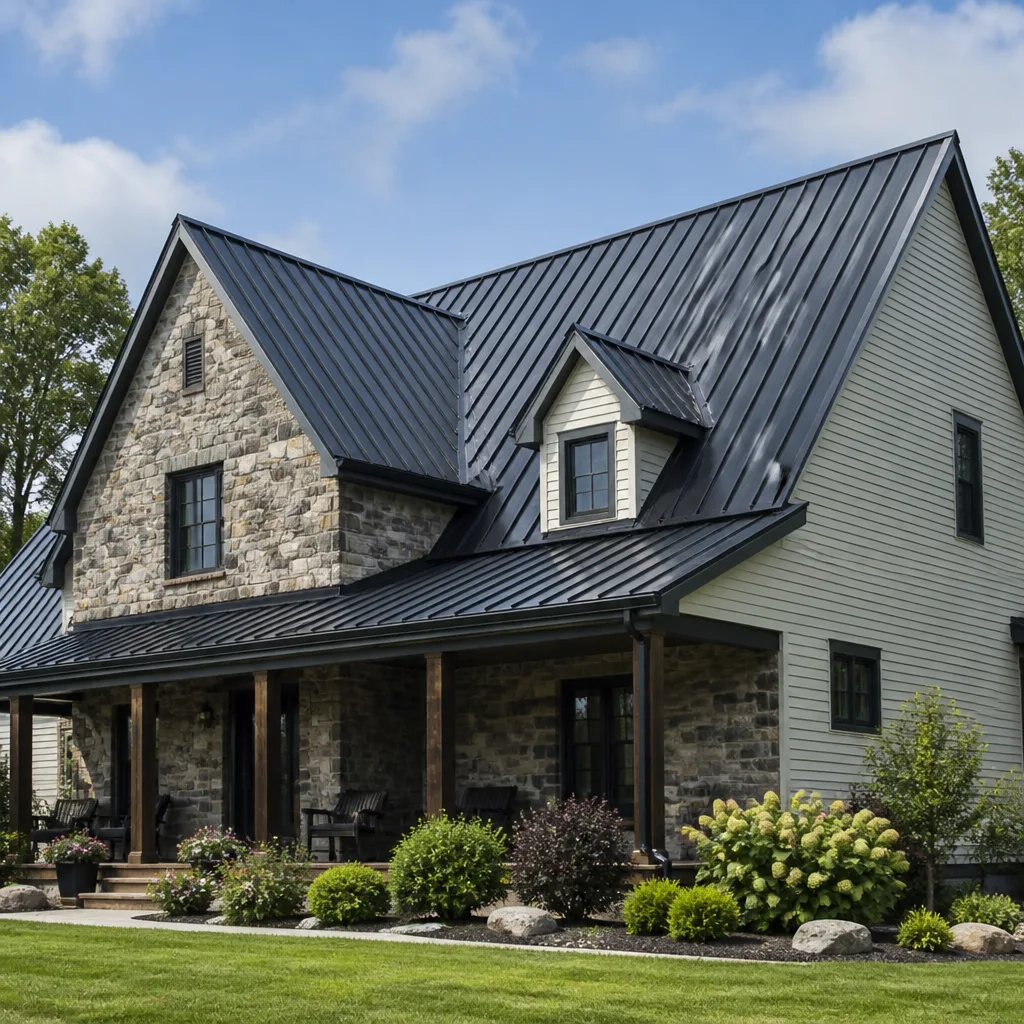 Metal roofing
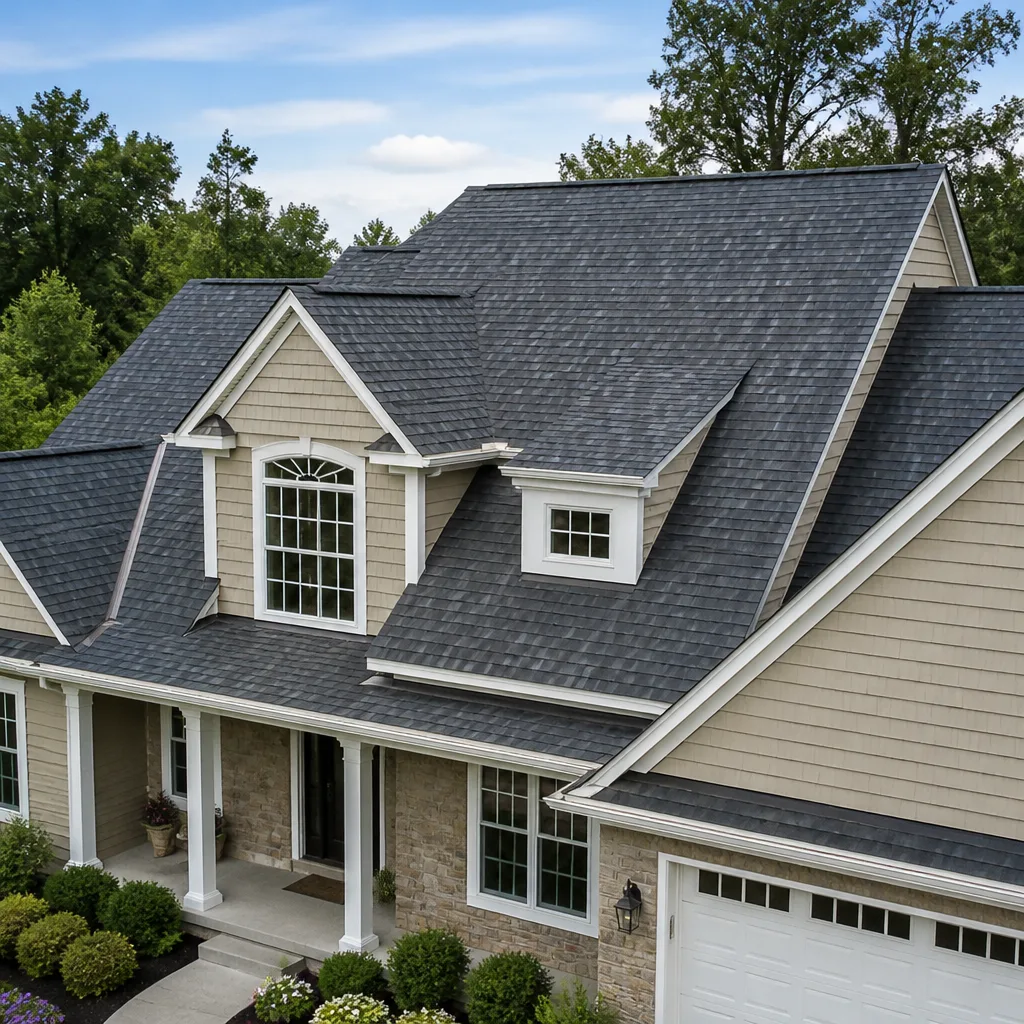 Architectural shingles
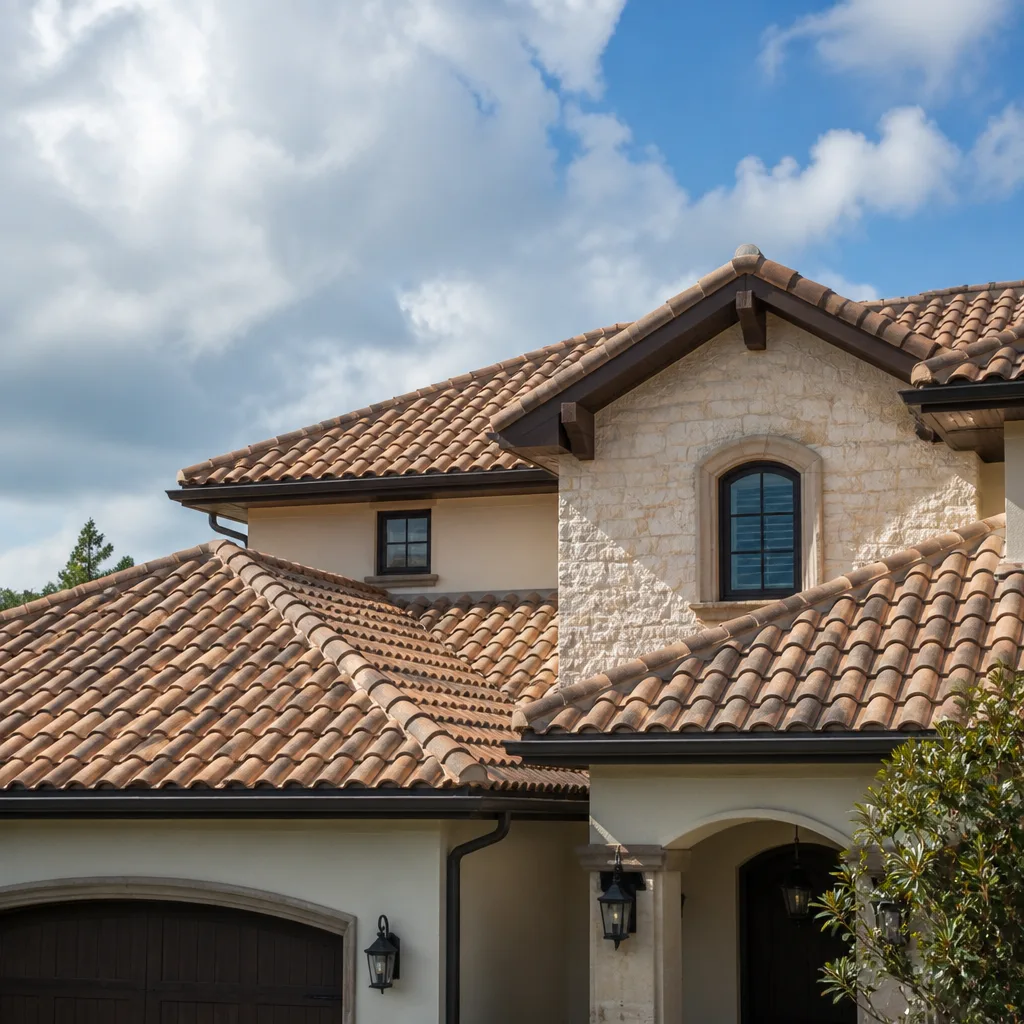 Tile roofing
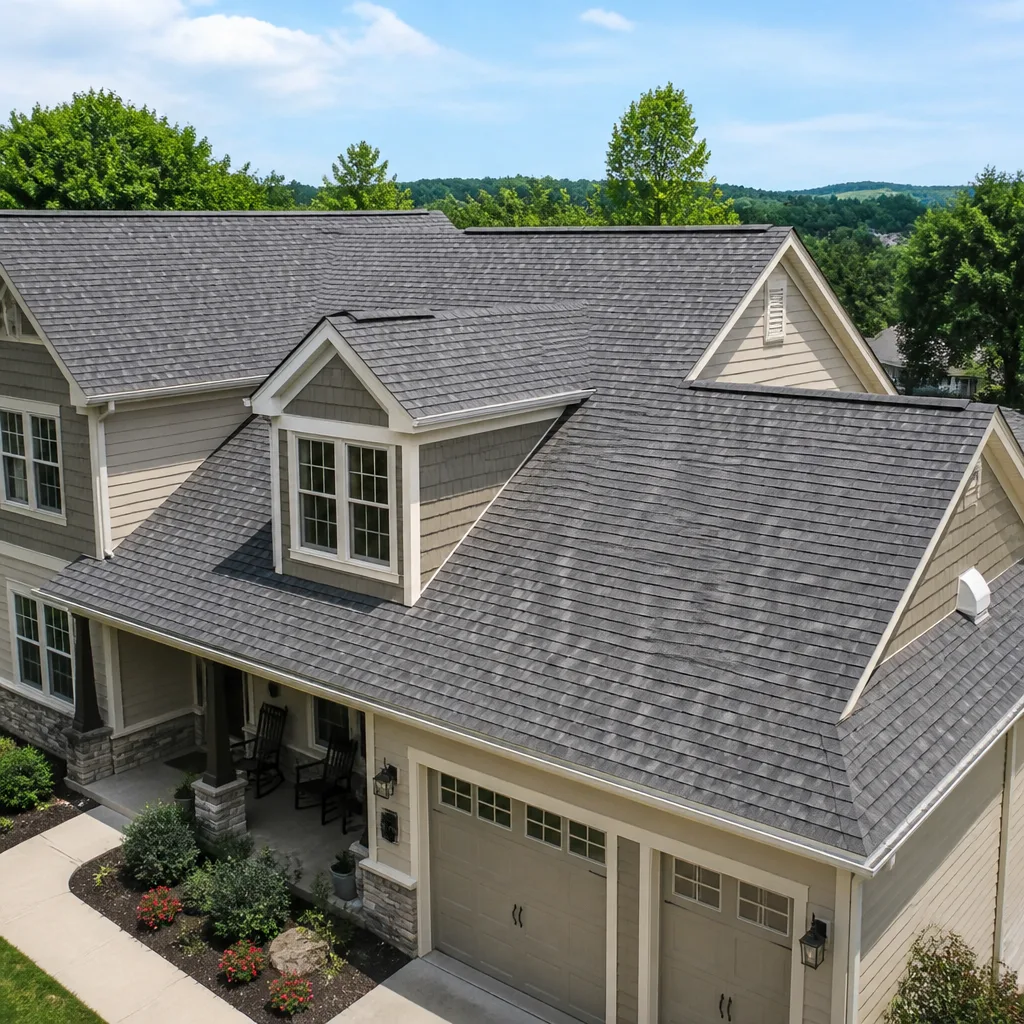 GAF
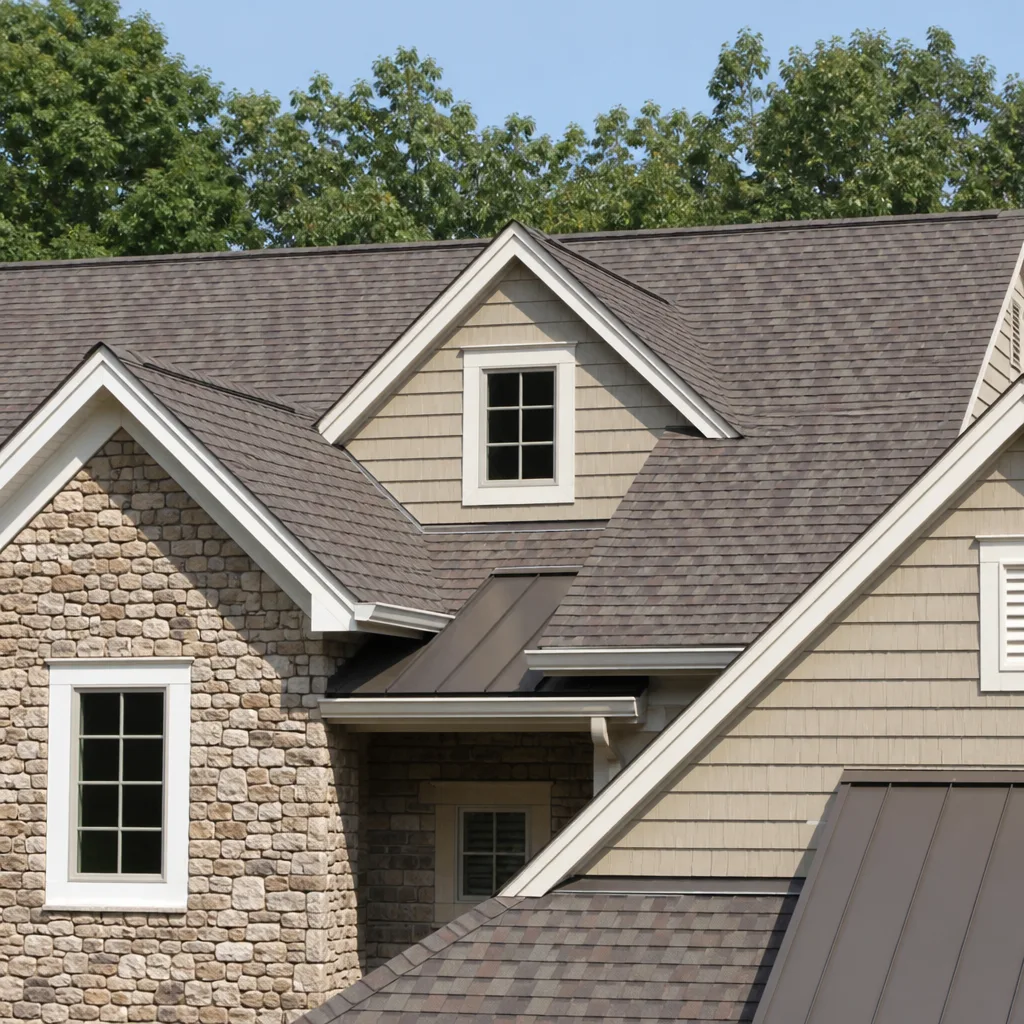 Owens Corning
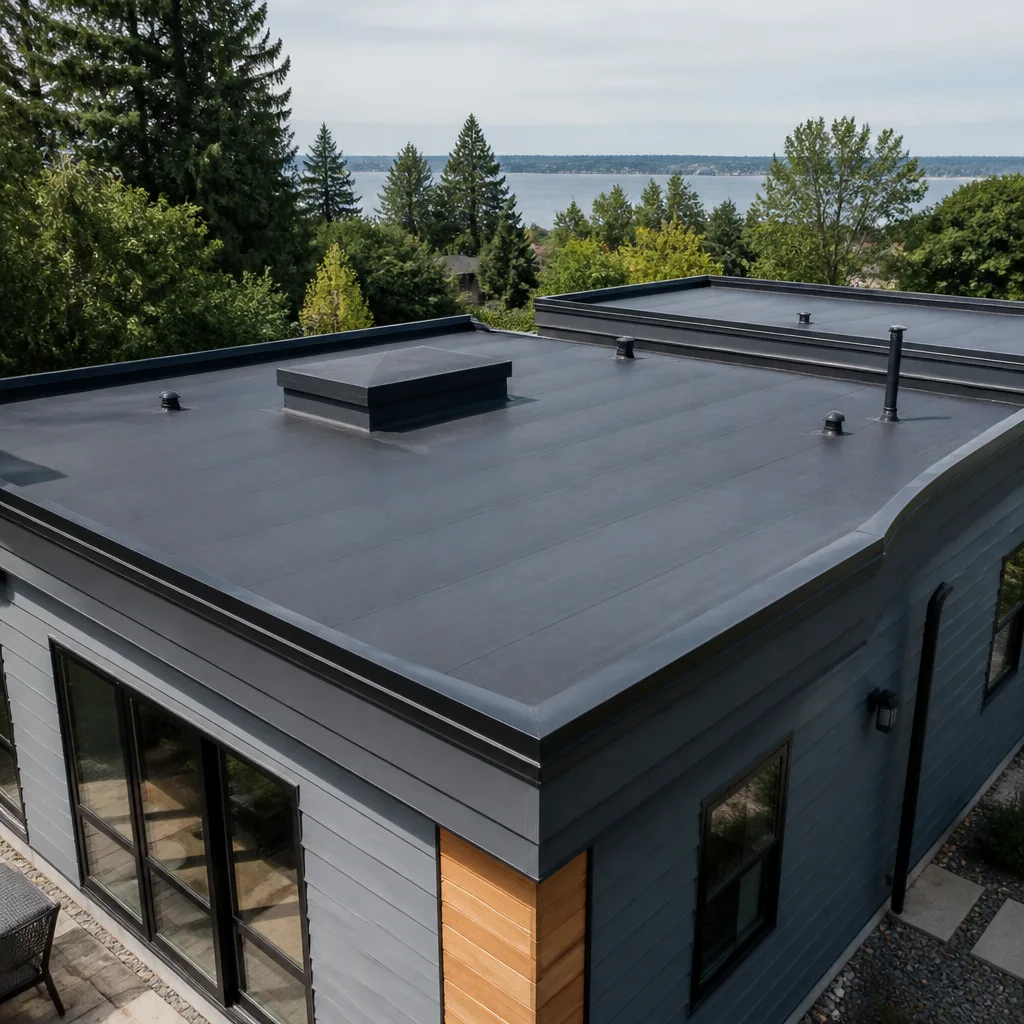 Flat & low-slope
Free roof inspection with deck photos before we talk money - GAF and Owens Corning certified installation
Choosing the Right Roofing Brand: A Buyer’s Guide for Boulder City
Most homeowners pick a roofing brand the way they pick a paint color: by what looks best in a photo. That’s a costly mistake in Boulder City, where the sun does more damage to a roof than almost anything else. Every major manufacturer sells a desert-friendly product line, but their standard warranty documents are written for a “typical” climate that Boulder City is not. The fine print on UV exposure, temperature cycling, and installation conditions varies more than the marketing brochures suggest. This guide shows you how to read a warranty for desert relevance, compare brands on real performance, and understand what contractor certifications mean for your coverage. You’ll also learn why the cost-per-year math on a premium shingle may not favor the premium option here.
Quick Answer
Choosing the right roofing brand in Boulder City means matching the product to high-UV, high-heat conditions first, then reading the manufacturer warranty for exclusions around UV degradation and temperature cycling, then checking whether your contractor’s certification actually affects the warranty tier you receive. A brand that performs in Boulder City’s climate and backs its product in writing is worth more than a name-brand shingle installed by a one-brand contractor. Start with the warranty, not the logo.
Styles & brands we work with
- Architectural shingles
- Metal roofing
- Tile roofing
- GAF
- Owens Corning
- Flat & low-slope
Table of Contents
- Why brand choice matters more here than almost anywhere
- How to read a manufacturer warranty for desert relevance
- Comparing brands on desert performance
- Why contractor certification programs matter
- The brand-independence principle
- Matching brand tier to your actual timeline
- Common mistakes to avoid
- When to call a professional
Why Brand Choice Matters More in Boulder City Than Almost Anywhere
A roof in Boulder City lives through a specific kind of punishment. The sun is intense year-round, the summer heat holds for months, and the material expands and contracts daily as temperatures swing from blazing afternoon to cool desert night. That cycle is what breaks down shingles and tile seals over time. The manufacturer you choose controls how well the material resists that cycle, and, just as importantly, how willing the company is to stand behind it when the desert catches up.
Here’s the part most buyers miss. The brand you see on the packaging is only one layer of the decision. Behind that wrapper are three separate questions: What is the product actually rated for? How does the manufacturer’s warranty read for extreme heat and UV? And does the installer’s relationship with that manufacturer affect the warranty you actually receive? Answer those three and you’ve done more due diligence than most homeowners ever bother with.
Boulder City sits in a climate that punishes generic assumptions. A shingle rated for a mixed climate may perform fine for years and then hit the UV ceiling the warranty quietly reserved the right to exclude. A tile or stone-coated product may handle the heat beautifully but need an installation method suited to the region. None of this is about “quality” in the abstract. It’s about fit.
We work with seven major manufacturers, from GAF and Owens Corning to Boral, because no single brand is the right answer for every roof in Boulder City. A home near the historic district with a distinctive roofline may want a different product than a newer build on the edge of town. The brand should follow the building and the budget, not the other way around.
How to Read a Manufacturer Warranty for Desert Relevance
Manufacturer warranties are long documents, and that’s deliberate. They’re written to be skimmed but read closely when a claim is filed. If you never read one before signing, you’re trusting the installer’s summary. Here’s how to read it for what actually matters in Boulder City’s climate.
Look for the climate language first
Most warranties reference a “normal” or “typical” service environment. That phrase is doing quiet work. It can limit coverage for conditions the manufacturer classifies as extreme, and desert heat is a common example. Find the definitions section and read what your region counts as.
Check the UV and heat exclusions
Every shingle and tile degrades under UV over time. The question is whether the warranty treats UV degradation as normal wear (often excluded or prorated heavily) or as a defect it covers. Look for specific language about:
- UV degradation – whether sun damage is covered, excluded, or prorated
- Temperature cycling – whether thermal expansion and contraction are treated as normal or raised as an exclusion
- Installation conditions – clauses that void coverage if work is done outside the manufacturer’s specified temperature range, which matters when the desert summer pushes installs to the edges of the day
- Ventilation requirements – a poorly vented attic in extreme heat can be cited as a cause of failure; verify the warranty’s ventilation spec before installation
- Proration schedule – the year-by-year table that governs how much you actually recover if a claim succeeds later
Find the workmanship question
Product warranties cover the material. They usually do not cover the labor of replacing it. If your roof fails because of how it was installed, the product warranty may pay for the shingles and leave you paying for the crew. That’s why workmanship coverage and installer certification matter, and we’ll get to both.
Read the transfer clause
If you plan to sell your Boulder City home, a transferable warranty has real value to a buyer and to your asking price. The transfer terms, whether it’s free, whether there’s a window, and how many years of coverage move with the house, are worth knowing before the sale, not after.
When in doubt, ask for the written warranty document before you sign anything. Any contractor who can’t produce it is asking you to sign blind. We hand over the manufacturer paperwork so the terms are yours to read, and our written estimate states exactly what product goes on the roof.
Comparing Brands on Desert Performance
You don’t need to become a materials scientist to compare brands. You need to know what each manufacturer offers for high-UV, high-heat environments and whether its product lines are tested and rated for those conditions. We install and work with products from seven manufacturers: GAF, CertainTeed, Owens Corning, IKO, Atlas, Tamko, and Boral. Here’s how to think about them by what they’re good at, not by which logo is biggest.
Premium architectural lines
GAF Timberline and CertainTeed’s top shingle lines sit in this tier. These are the products that typically carry the strongest manufacturer warranty tiers, and they’re built with thicker mats and more reflective granules. If you want the longest coverage window and the broadest choice of colors and profiles, this is where to look. The trade-off is higher material cost up front, and we’ll come back to whether that math works in Boulder City.
Proven mid-tier lines
Owens Corning Duration is the reference example here, and IKO and Atlas have strong competitors in the same range. These shingles perform well across climates, are widely supported by manufacturer warranties, and typically cost less than the premium tier. For many roofs in Boulder City, this is the sweet spot on cost-per-year.
Budget and entry tiers
Tamko’s entry lines and IKO’s more economical products open the door to a lower project cost. They can be the right call for a rental property, a roof you plan to replace in the next decade anyway, or a tight budget. Just read the warranty’s coverage window and proration carefully: a shorter warranty isn’t a bad product, it’s an honest one.
Tile and stone-coated systems
Boral makes tile and stone-coated roof products that handle desert sun very well, and they’re a fit for homes with a distinctive roofline or a design that calls for tile. Tile and stone-coated steel systems behave differently from asphalt shingles under heat and UV, so the warranty language and installation method matter just as much as the brand name.
If you want a deeper dive on which material family fits your building, our Roofing Boulder City overview covers the trade-offs. The point for now is this: the right brand is the one that matches your product family, your climate, and your timeline.
Why Contractor Certification Programs Matter
When a manufacturer calls a contractor a “preferred installer” or certified contractor, that’s not just a marketing badge. It usually means the contractor has met certain training and installation standards the manufacturer requires, and in return the homeowner may qualify for a higher warranty tier. That’s the part buyers miss: the certification can change the warranty you receive, not just who installs the roof.
Here’s how the tiers typically work, in general terms:
- Standard installation – the product warranty applies, and the workmanship warranty is whatever the contractor offers.
- Certified installation – the manufacturer verifies the installer’s training, and the product warranty may extend or the coverage terms improve.
- Top-tier certification – often requires proof of proper licensing, insurance, and a track record, and unlocks the manufacturer’s best warranty tier, which may include longer workmanship coverage.
Why does this matter in Boulder City? Because the harsh conditions test the install as much as the material. A roof installed to the manufacturer’s spec performs closer to the warranty’s promise than one installed to a shortcut. When you’re comparing estimates, ask each contractor which warranty tier their certification qualifies you for. A contractor who can’t answer that question isn’t giving you the full picture.
We can’t guarantee a specific warranty outcome for you, and we won’t pretend to. What we can do is install to manufacturer spec and hand you the paperwork that tells you what coverage you’re getting. Manufacturer-backed warranties are available through the top-tier brands, and your written estimate will say which product and which warranty applies.
This is also where our roof repair work feeds into the same principle. A repair done to the manufacturer’s method protects the warranty on the rest of the roof. A repair done outside it can void coverage on the section a future claim depends on.
The Brand-Independence Principle
Here’s the reframe that changes how you read every roofing quote. A contractor who only installs one brand is giving you a business-model signal, not a quality signal. It may be a perfectly good brand. But you’re not being offered a choice, and you should know why.
The reason is usually margin. Manufacturers offer contractors better pricing, better rebates, or better lead flow in exchange for exclusivity or volume. That’s a legitimate business arrangement. It’s not automatically wrong. But it does mean the product recommendation you receive is shaped by the contractor’s economics as well as your roof’s needs. When a contractor can install seven brands, the recommendation is more likely to be about fit.
So what should you look for?
- A company that offers real options across tiers – if every quote lands on the same premium product, ask why.
- An explanation of the trade-off – a straight answer explains why one product fits your roof and budget better than another, not just that it’s “the best.”
- A recommendation tied to your building – roofline, pitch, ventilation, budget, and timeline should drive the product choice.
- Willingness to show the warranty – if they can’t show you the terms for the product they’re recommending, that’s a signal.
The material-brand independence principle is simple: the brand should follow the building, not the other way around. When we inspect a Boulder City roof, we’re not walking up there to confirm a product we’ve already decided to sell. We’re walking up there to find out what the roof needs. That’s why seven manufacturer relationships matter.
Why single-trade focus matters, too
The same logic applies to the contractor’s service menu. A company that does roofing plus gutters, siding, solar, and landscaping is spreading attention across trades. Roofing has its own methods, materials, and code considerations, and the details matter in this climate. A specialist can give you a straighter answer about your roof because that’s the only thing on the truck. Roofing is all we do.
Matching Brand Tier to Your Actual Timeline
The most common false assumption in roofing is that the longest warranty always wins. It doesn’t, not automatically. The better question is cost-per-year of actual service life, and in Boulder City’s UV load, a premium shingle and a mid-tier shingle may not separate as much as the brochure suggests.
Here’s the math to run, in plain terms. Take the installed cost of each option and divide by the years you expect to keep the roof. The premium product may carry a 30-year warranty. The mid-tier may carry 25. But the desert sun shortens the real-world gap. Both degrade under UV; the premium product just does it more slowly. If the premium option costs meaningfully more and the actual service-life difference is smaller than the warranty difference, the mid-tier can be the better cost-per-year decision.
Then layer in your own timeline:
- Staying long-term – if this is your forever home, the longest-lived product with the best warranty tier may earn its price over time.
- Selling in the next few years – a transferable warranty and a mid-tier product can be the stronger value. Buyers care about remaining coverage, not the badge.
- Rental or investment property – durability and cost-per-year usually outweigh maximum warranty years.
- Matching the neighborhood – in parts of Boulder City with a distinctive look, the right product may be driven by appearance as much as lifespan.
Our roof replacement page walks through how we scope a full replacement. The key point here is that the brand tier should follow your timeline, not the other way around. A premium product can be the right call. So can a mid-tier one. The honest answer depends on your roof and your plans, and you’re entitled to hear both.
What a standalone inspection adds
You can’t run this math until you know your roof’s actual condition. A roof inspection is a diagnostic service, separate from a sales call. It’s useful when you’re buying or selling a home, when you’re checking system health, or when you’ve had storm damage and need a clear read on it. We inspect first, then recommend. No assumptions, no upsell.
A proper inspection in Boulder City looks at more than the shingles. It checks flashing, vents, the attic ventilation, and the seams where deferring a repair would cost more later. If you’re pricing a new roof on the roof of a home sale, the inspection tells you what the seller’s roof will actually need. For sellers and buyers in Boulder City, that independent read is often the most valuable part of the whole process.
Common Mistakes to Avoid
- Choosing a brand before knowing your roof’s condition. You can’t match a product to a building you haven’t inspected. Start with a diagnostic, not a brochure.
- Reading only the headline warranty number. A 30-year warranty means less if the UV exclusions and proration schedule are aggressive. Read the clauses, not just the number on the cover.
- Assuming the longest warranty is the best value. Under Boulder City’s UV load, run the cost-per-year math. The premium option may still win, but don’t assume it does.
- Ignoring the workmanship gap. Product warranties don’t usually cover the labor to fix an installation error. Ask what workmanship coverage you get and from whom.
- Skipping the transfer clause. If you’ll sell in the next few years, a transferable warranty is a selling point. Know the terms before the sale, not after.
- Letting a one-brand contractor choose for you. If every quote lands on the same product, ask why. You’re entitled to real options across price tiers.
- Skipping the estimate in writing. The written estimate sets the final price. A verbal range and a handshake aren’t the same thing.
See the difference
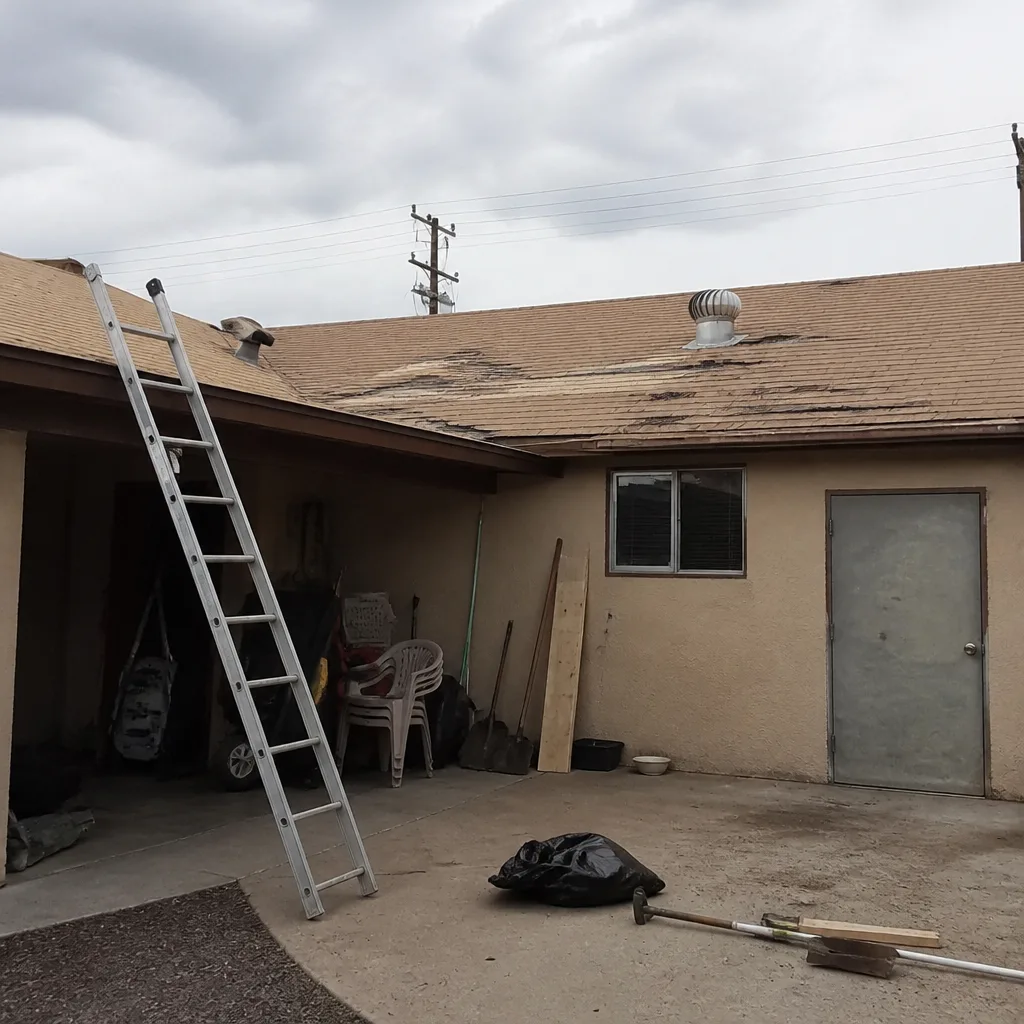 Before
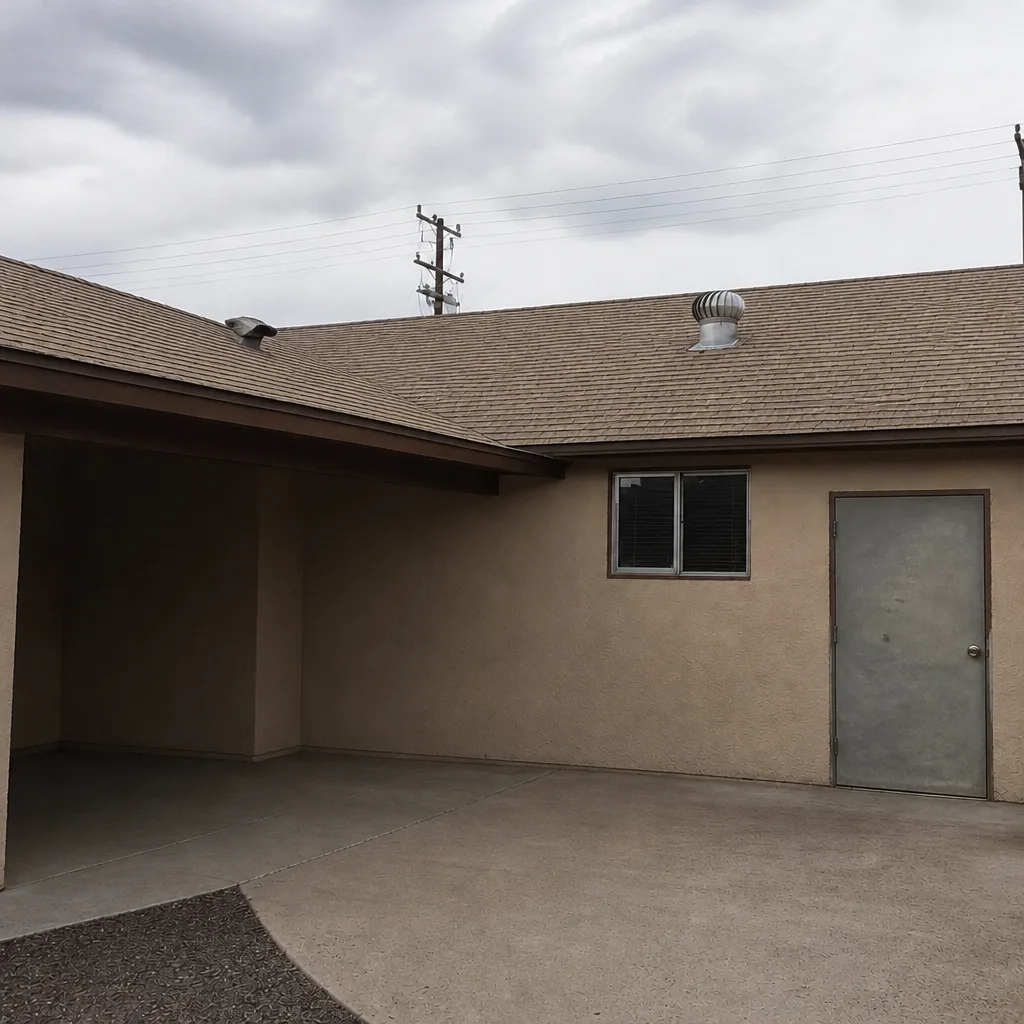 After
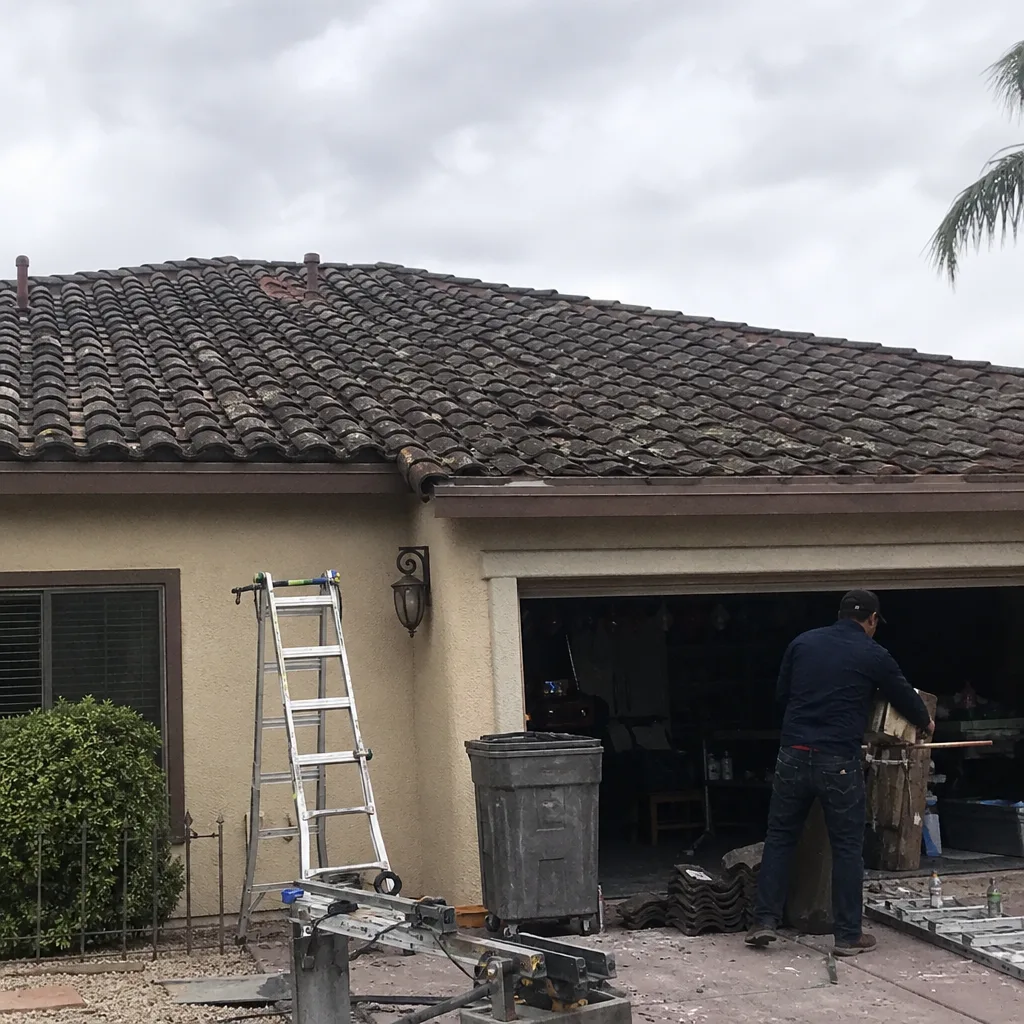 Before
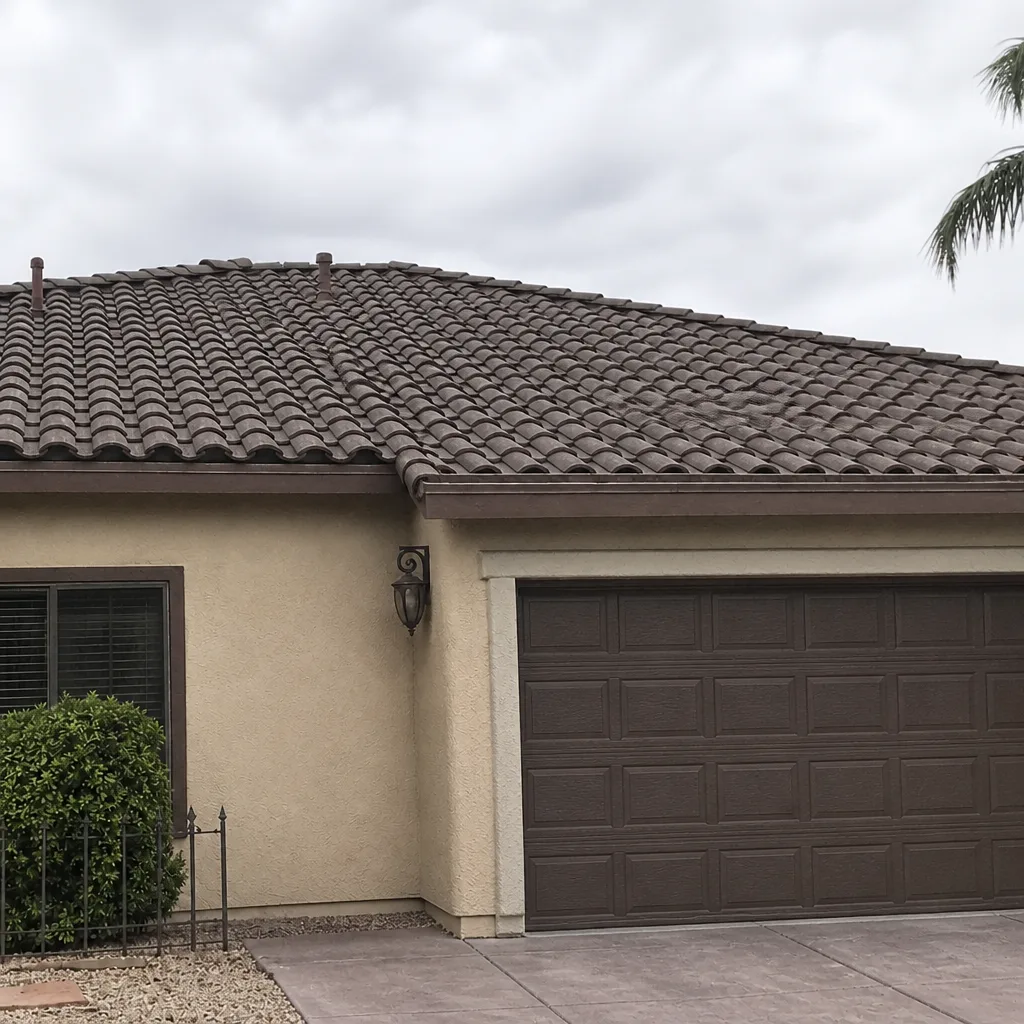 After
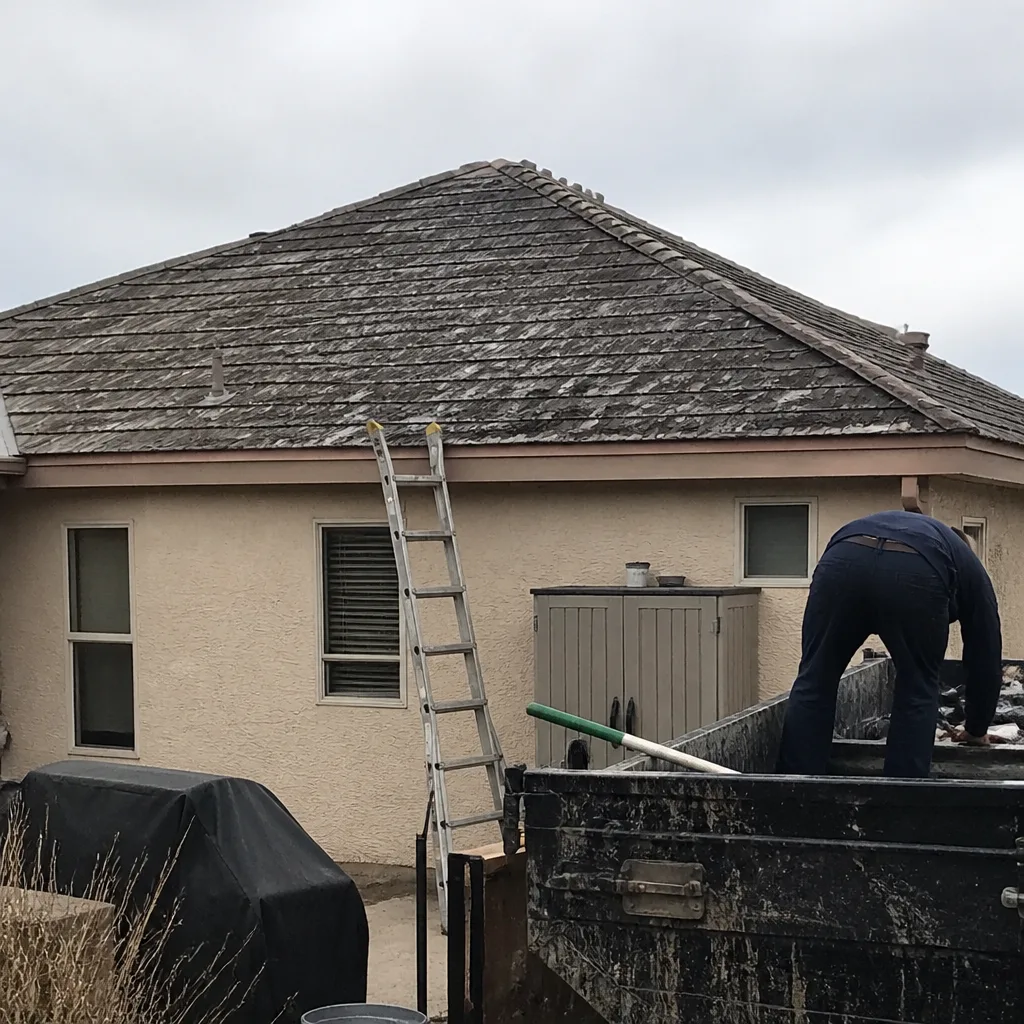 Before
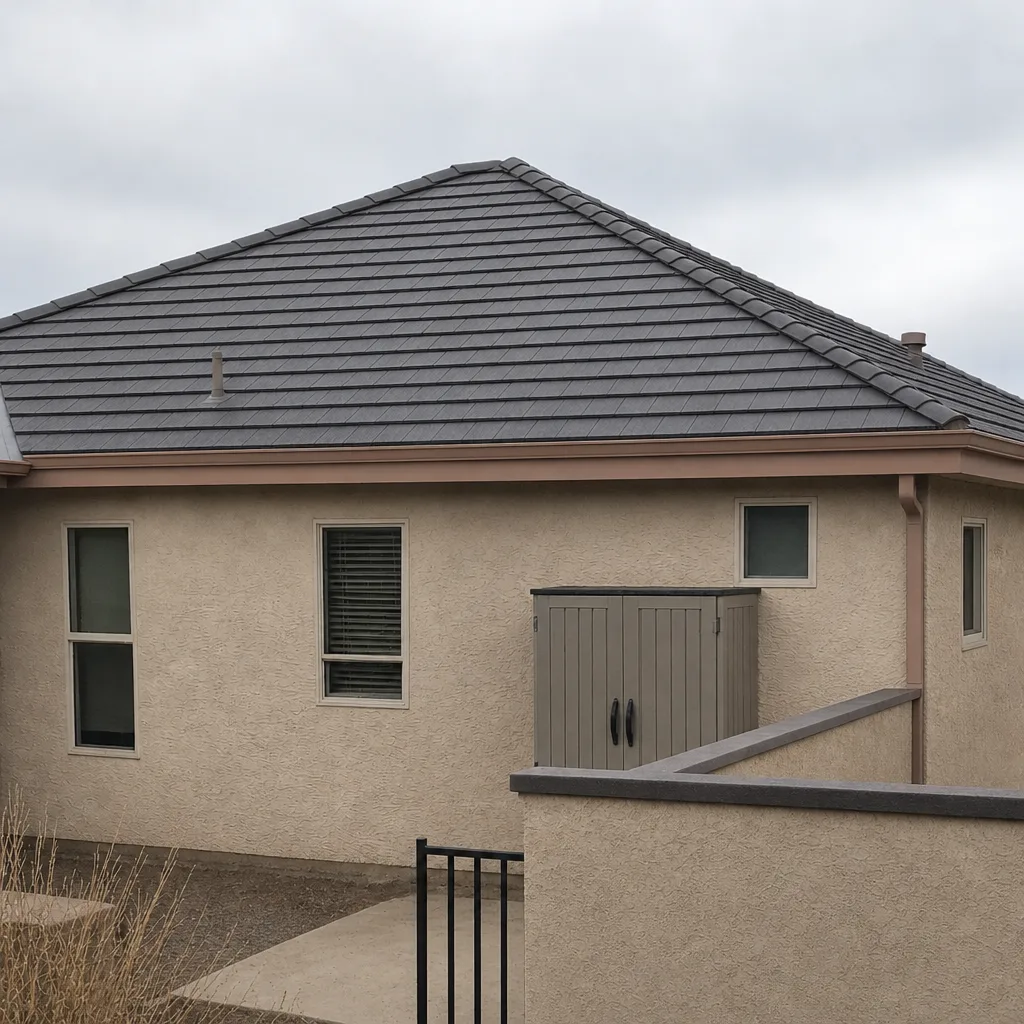 After
When to Call a Professional
Some roofing questions are fine to answer from the ground. Others need someone on the roof. Call us when you’ve noticed missing, cracked, or curling shingles; when you see granules collecting in the gutters or at the base of downspouts; when there’s a water stain on a ceiling or a musty smell in a room; when storm winds have lifted or torn material; or when you’re buying or selling a Boulder City home and need an honest read on the roof’s condition before the deal moves. If you’re uncertain whether the roof needs a repair or a full replacement, that’s exactly the call to make. Roofing Boulder City offers free estimates in Boulder City. Call (888) 293-7813. We answer 24/7. Fast dispatch from 7am to 7pm, Sunday through Friday.
Frequently Asked Questions
There’s no single best brand for every roof in Boulder City. The better answer is to match the product to high-UV, high-heat conditions, then read the manufacturer warranty for exclusions around UV degradation and temperature cycling. GAF, Owens Corning, CertainTeed, IKO, Atlas, Tamko, and Boral all have products suited to desert climates, and the right one depends on your building, budget, and timeline. We’ll show you the options across tiers and let the roof decide. Call (888) 293-7813 for a free estimate.
Yes, significantly. Each manufacturer writes its own warranty terms, and those terms differ on UV exclusions, temperature limits, proration schedules, and transfer rules. A reputable brand’s warranty is only as strong as the clauses inside it. Ask for the written warranty document before you sign anything and read the sections on UV and heat. Our written estimate states the product and the warranty that applies. Call (888) 293-7813 to schedule your free estimate.
It means the manufacturer has verified the contractor’s training and installation standards, and in return the homeowner may qualify for a higher warranty tier. It’s a coverage question as much as a quality one. Ask any contractor you’re considering which warranty tier their certification qualifies you for. If they can’t answer, keep asking. Call (888) 293-7813 for a free estimate and we’ll walk you through what applies to your roof.
Not automatically. The better measure is cost-per-year of actual service life, and Boulder City’s intense UV shortens the real-world gap between tiers. A premium shingle may last longer, but if the price difference outweighs the lifespan difference for your situation, the mid-tier can be the better value. Run the math against your own timeline, whether you’re staying long term or selling soon. Call (888) 293-7813 and we’ll help you price both options.
It can. Many manufacturer warranties exclude coverage when installation falls outside the specified conditions, and improper installation in extreme conditions is a common exclusion. Desert heat can push installs to the edge of a manufacturer’s temperature range, which is one reason installation method and timing matter so much. A certified installer working to spec protects the warranty. Call (888) 293-7813 for a free estimate and ask us which warranty tier your roof qualifies for.
Yes. Roof inspection is a named service, separate from a sales call. We use it when you’re buying or selling a home, when you want to check the roof’s health, or when storm damage needs a clear read on the condition. You’ll get a straight answer about what your roof needs, whether that’s a repair, a replacement, or nothing yet. Call (888) 293-7813. We answer 24/7. Fast dispatch from 7am to 7pm, Sunday through Friday.
The Bottom Line
Choosing the right roofing brand in Boulder City starts with the climate, not the logo. Read the manufacturer warranty for UV and temperature exclusions. Compare brands on what they actually offer for high-UV, high-heat conditions. Ask which warranty tier your contractor’s certification qualifies you for, because workmanship coverage is part of the product’s real value. Then run the cost-per-year math on your own timeline instead of assuming the longest warranty wins. A contractor who offers real choice across seven manufacturers is giving you the one thing a one-brand installer can’t: a recommendation shaped by your roof, not their margin.
When you’re ready to price it, start with a free estimate. We’ll inspect first, then recommend, and the written estimate sets the final price. Call (888) 293-7813. We answer 24/7. Fast dispatch from 7am to 7pm, Sunday through Friday.
Written by the team at Roofing Boulder City.