
Last updated November 17, 2026
 Architectural shingles
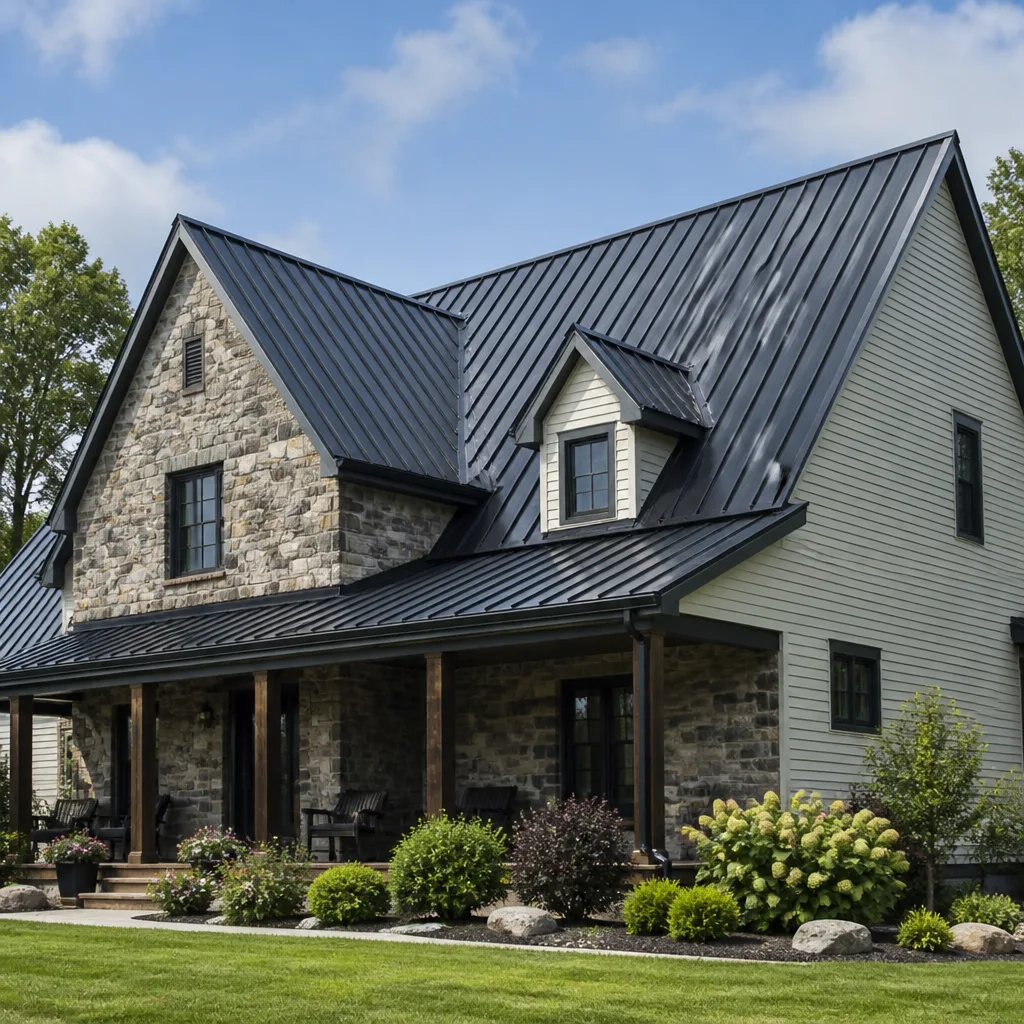 Metal roofing
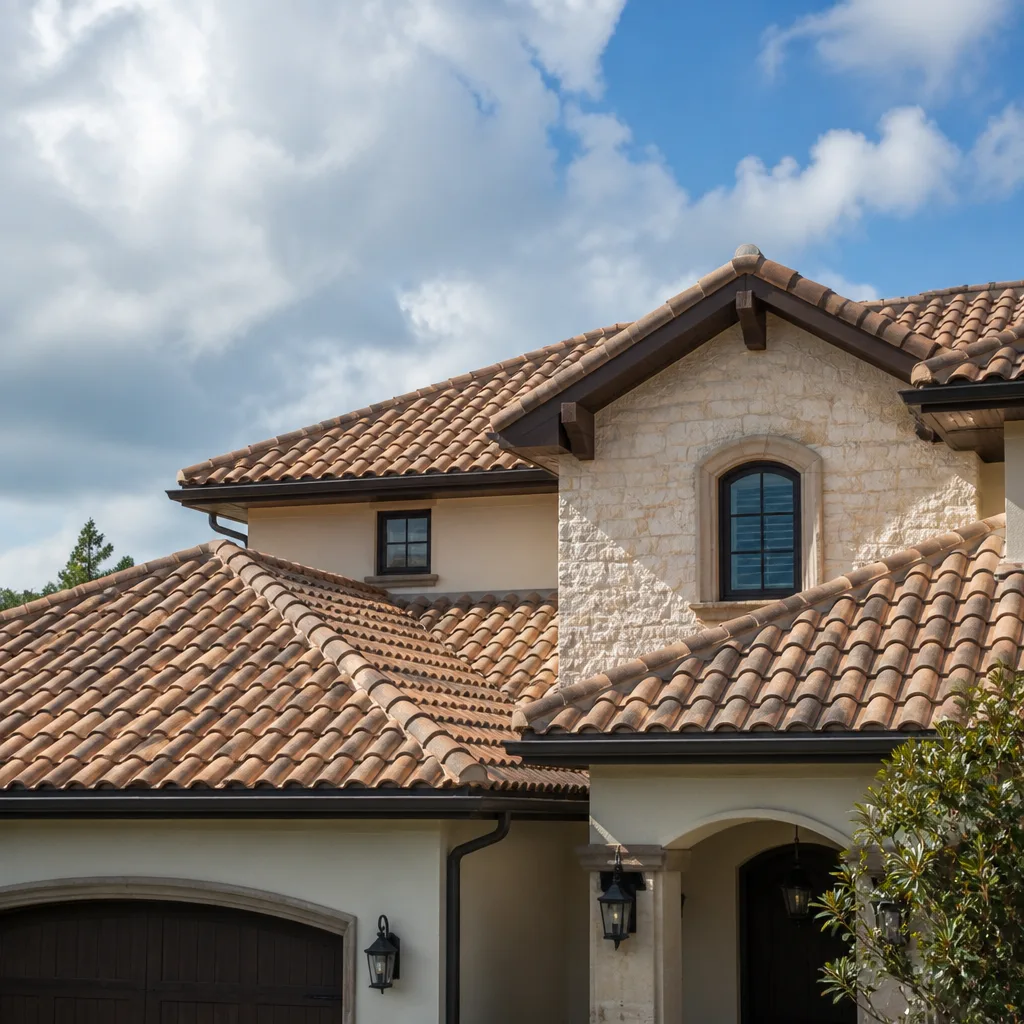 Tile roofing
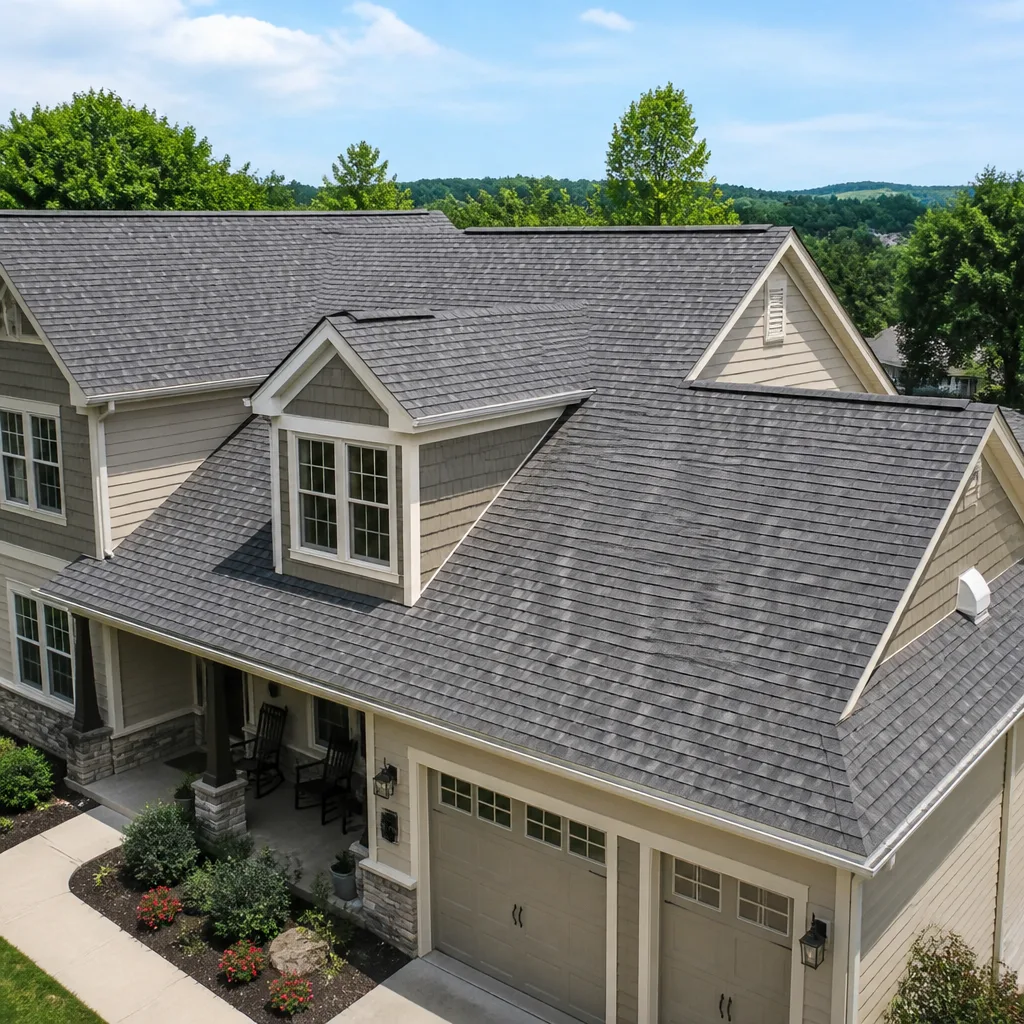 GAF
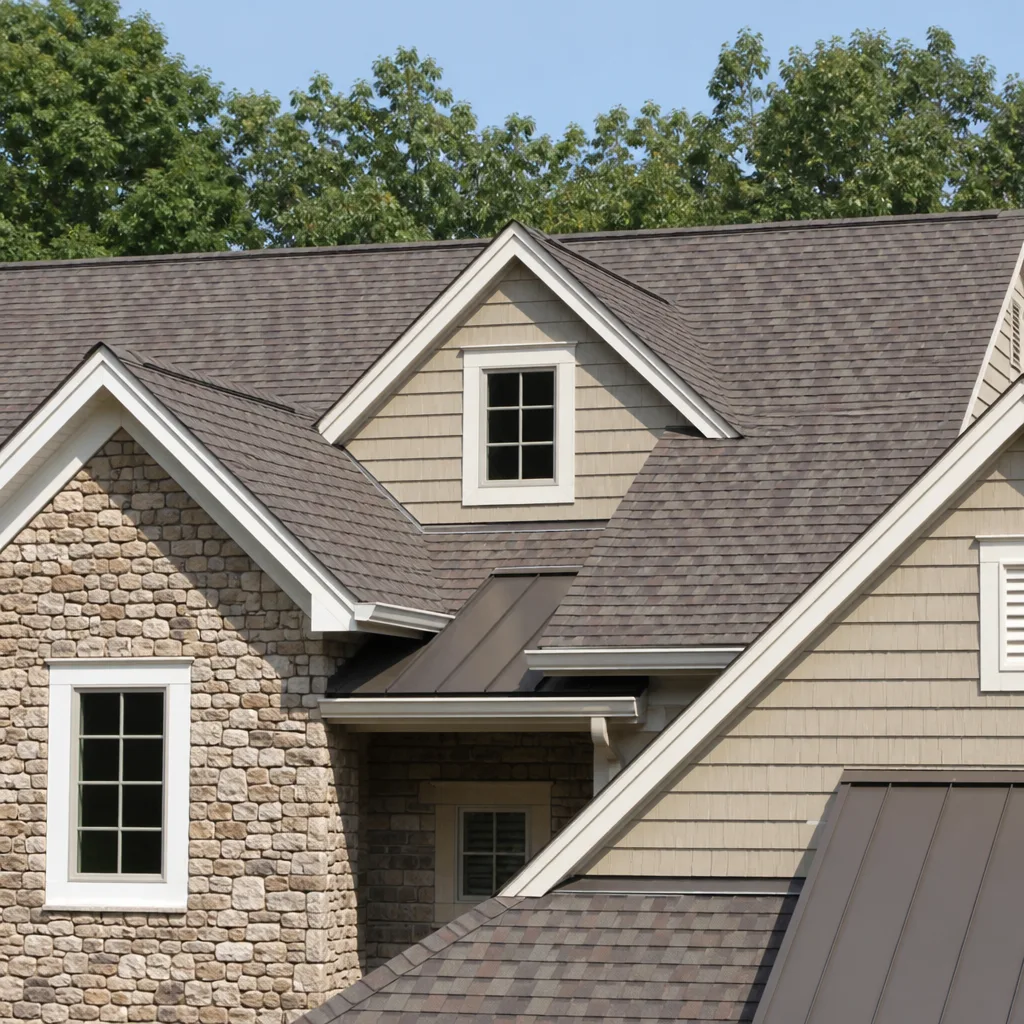 Owens Corning
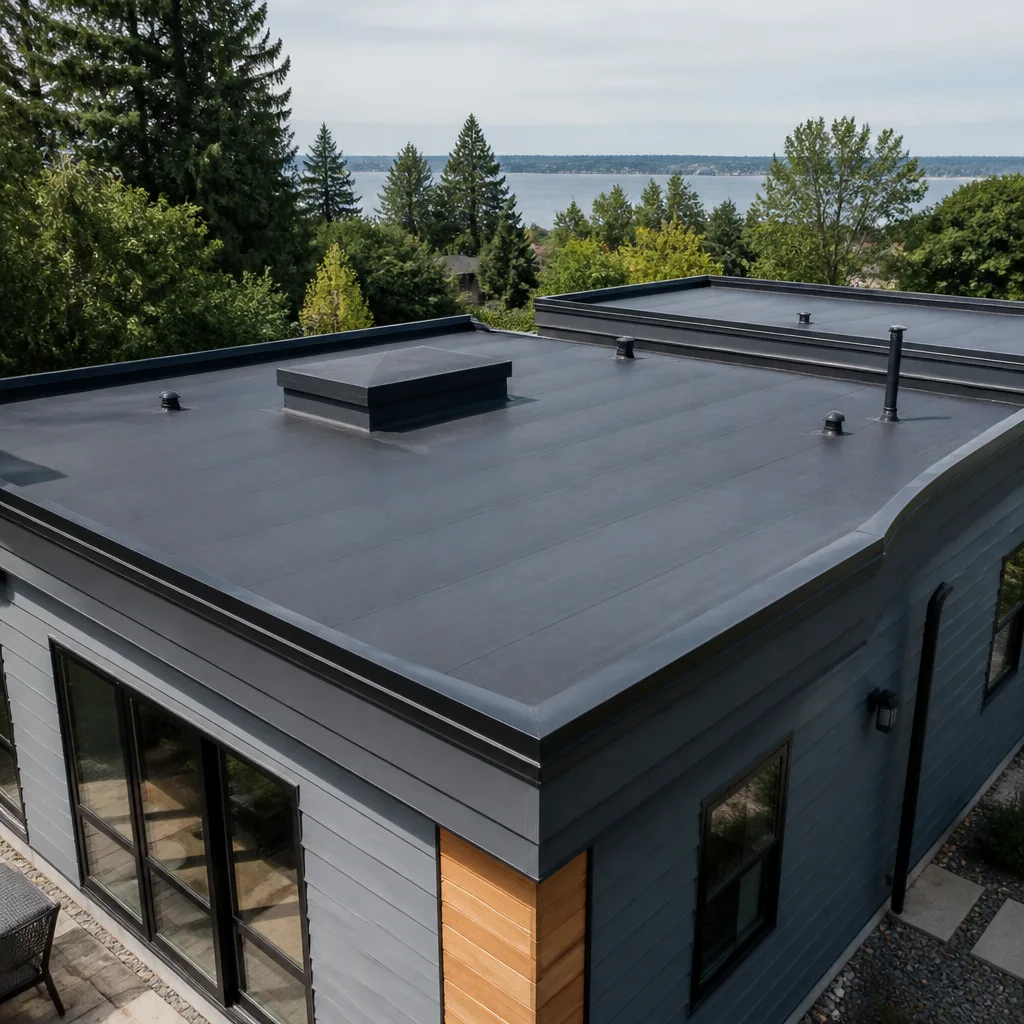 Flat & low-slope
Free roof inspection with deck photos before we talk money - GAF and Owens Corning certified installation
Roof Repair in Boulder City: A Homeowner’s Guide to Desert Roof Damage
Boulder City gets about 294 sunny days a year. That UV load does more damage to asphalt shingles here than rain does in most of the country, yet almost every roof repair guide you’ll find is written as if every city has the same weather. The result is predictable: homeowners here patch the wrong thing, replace a roof too early, or wait too long. This guide maps each common repair to the desert stressor that caused it. By the end you’ll know what’s actually failing on your roof, whether repair or replacement makes sense, and how to tell the difference.
Quick Answer
Roof repair in Boulder City usually comes down to three things: sun-baked materials losing their granules and sealant, monsoon water finding its way through flashing and pipe boots, and low-slope roofs that need different flashing repairs than steeper builds. Most repair decisions should be based on the material’s age and how much granule loss it has, not just on where water is getting in. A qualified inspector can tell you whether you’re looking at a $400 repair or a system that’s ready for replacement.
Styles & brands we work with
- Architectural shingles
- Metal roofing
- Tile roofing
- GAF
- Owens Corning
- Flat & low-slope
Table of Contents
- How Desert UV Ages Your Roof
- Why Monsoon Leaks Show Up Where They Do
- Low-Slope Roofs and Flashing in Boulder City
- Matching Repair Materials to Your Existing Roof
- Repair or Replace: The 5-Year Test
- What a Roof Inspection Covers
- What You Can Check Safely Yourself
- When to Call a Professional
How Desert UV Ages Your Roof
The Mojave sun is relentless, and asphalt shingles take the brunt of it. Granules are the shingle’s first line of defense. They’re what keep UV rays from breaking down the asphalt underneath. On a roof in Boulder City, those granules erode faster than on a roof in a wetter, cloudier climate. You’ll notice bare patches in the valleys, along the ridge, and on south- and west-facing slopes first.
Once the asphalt underneath is exposed, it starts to oxidize. That means the oils that keep the shingle flexible and water-resistant break down. The shingle curls at the edges and eventually cracks. This is the point where small repairs start becoming bigger ones, and where roof repair alone can no longer keep up.
So what does “aging” actually look like on a Boulder City roof? Here’s what to watch for:
- Granule loss: Granules collecting in the gutters or at the base of downspouts usually means the shingles above are wearing thin. On south- and west-facing slopes, this happens first.
- Curling and cupping: Shingle edges that lift and curl are a sign the asphalt is drying out. If more than a quarter of the roof shows curling, repair may not be the right call.
- Brittleness: Shingles that crack when you walk on them are past their useful life.
- Hairline cracks: Small cracks across the field of the shingle, usually following a heat cycle.
- Bare spots: Areas where granules have worn away entirely. These are the earliest points of failure.
How much granular loss is too much? That depends on the shingle’s age and the percentage of roof affected. A qualified inspector looks at the whole system, not just the worst-looking shingle. That matters in Boulder City because a few worn shingles on the sunny side of the roof aren’t the same as a roof that’s failing everywhere. You can find more context on why the whole system matters on our Roofing Boulder City page.
Why Monsoon Leaks Show Up Where They Do
Monsoon season is short here, but the rain comes hard and sideways when it arrives. Most leaks we hear about don’t come from the field of the roof. They come from the edges: the places where water gets redirected, penetrates the roof plane, or runs up against a vertical surface. A roof that holds up fine for ten months out of the year can leak during one 30-minute downpour.
These are the entry points that fail most often:
- Valley flashing: Where two roof planes meet, water funnels through. If the flashing is under-lapped or the mastic has dried and cracked, wind-driven rain gets through.
- Pipe boots: The rubber collar around plumbing vents is the single most common leak point in this climate. UV dries it out and it splits. Most failures happen where the top of the boot meets the pipe.
- Parapet walls: Flat-roof sections with parapets (common on Boulder City ranch homes) have a tricky junction where the roof membrane meets the wall. Water can climb the parapet in a heavy wind-driven rain and find its way behind the flashing.
- Chimney flashing: The counter-flashing at the chimney is a classic monsoon entry point if it’s not well-sealed.
- Skylight curbs: The curb, not the glass, is usually where water gets in. Sealant cracks at the corners.
- Fascia and drip edge: When water runs off the edge of a roof and the drip edge isn’t properly seated, it can wick up under the shingle tabs.
The key takeaway: if you have a leak during a monsoon, get an inspection. The damage you see inside is usually just the water that made it all the way through. The actual entry point can be several feet upslope. For a closer look at replacement decisions in this climate, see roof replacement.
Low-Slope Roofs and Flashing in Boulder City
Many of the ranch homes in Boulder City have low-slope sections. Pitched roofs with less than a 3:12 slope need different materials and different flashing techniques than steeper roofs. Conventional shingles that work on a 6:12 pitch can leak on a 2:12 pitch because there isn’t enough gravity to shed water fast enough, and wind-driven rain can climb back under them.
On low-slope roofs, flashing is the most vulnerable detail. The techniques that work on steep slopes – like relying on self-adhesive underlayment and a proper overlap at the wall junction – don’t translate directly. Here’s the difference:
- Steep-slope roofs: Steep pitches shed water quickly. Flashing can use layered “shingle fashion” where each layer overlaps the one below. Wind uplift is the bigger concern.
- Low-slope roofs: Water lingers longer. Flashing needs to be continuous where possible, or configured with an inverted overlap. Low-slope flashing often uses a wide, flat metal that’s set into the wall and glued down with the membrane.
- Parapet walls: The trapped water at the wall base is why parapet flashing needs to extend up the wall and be capped with a proper coping. This is where a lot of low-slope leaks start.
- Ponding: Low-slope roofs need drainage that keeps up with a monsoon downpour. Blocked drains and scuppers are common in older Boulder City homes.
If your home has low-slope sections, don’t let a roofer patch them with the same materials and mindset they’d use on a steep roof. The right repair depends on how the roof drains and how the flashing layers are configured. That’s why we inspect before we recommend.
Matching Repair Materials to Your Existing Roof
Patching an aged 3-tab shingle with a modern architectural shingle seems like an upgrade, but it can cause problems. The two have different granule blends, different thicknesses, and different UV resistance. A patch like that creates a mismatched seam that can cause the same problem it’s supposed to fix in five to seven years.
Here’s what that mismatch actually looks like:
- Different granule blend: A 3-tab shingle and a modern architectural shingle (like a GAF Timberline or an Owens Corning Duration) have different granule sizes, color blends, and density. A patch of one brand of architectural shingle next to aging 3-tab shingles will visibly stand out and will wear at a different rate.
- Different thickness: Architectural shingles are thicker and heavier. On a patch, the height difference can create a bump that water collects against.
- Different UV resistance: Newer shingles generally have better UV performance than older ones. When you patch, the newer material will outlast the older material next to it, which means the older material fails next.
- Different warranties: Patching with a different product can void the warranty on the original roof. Manufacturer warranties are generally voided when repair materials don’t match the original system.
The right answer is usually to use repair material that’s compatible with what’s already on the roof. Sometimes that means a dedicated repair shingle; sometimes it means a piece of matching stock. For older roofs or systems that are close to end of life, a patch is a holding action, not a fix. If you’re not sure what’s on your roof, that’s a good reason to get an inspection. Roofing manufacturers like CertainTeed and IKO for example publish product data for matching purposes.
Repair or Replace: The 5-Year Test
One of the most common questions we hear is “can this be repaired or do I need a new roof?” The honest answer depends on the damage pattern, not just the age of the roof. The 5-year test is a straightforward way to think about it: If the repair costs more than a fraction of a replacement, and if the same problem is likely to recur within five years, replacement is the better investment.
Here’s the checklist we use:
- Age of the roof: Most asphalt shingle roofs last 20-25 years in this climate, sometimes less on south- and west-facing slopes. If the roof is in its final third of life, repairs are usually short-term fixes.
- Percentage of roof affected: A few damaged shingles on one slope? Repair is usually sensible. Damage spread across more than a quarter of the roof? Replacement is usually the better call.
- Number of leaks: One leak that traces to a specific flashing point is usually a repair. Two or more leaks in different areas usually means the system is failing.
- Granule loss: If the roof is shedding granules everywhere, the asphalt is breaking down and repair won’t stop it.
- Previous repairs: A roof that’s already been patched multiple times is usually at the end of its service life. Each patch covers one failure, but new failures are waiting.
- Water damage underneath: Staining and sagging in the attic or under the sheathing usually means the water has been getting in for a while. That’s a sign of replacement, not repair.
- Home sale or insurance: If you’re selling or dealing with an insurance claim, a repair might be enough to close the deal. But if the buyer’s inspector flags the roof, replacement may come up anyway.
The replacement decision is a big one, so we look at the whole system rather than just the worst shingle. A roof that’s failing in two or three places might still have a few good years, but that depends on where the failures are and how the system is aging as a whole.
What a Roof Inspection Actually Covers
A roof inspection is a diagnostic service, not a sales call. On a Boulder City home, a good inspection checks the roof system from the outside, and if accessible, from the attic side. The goal is to understand the condition of each component, not just the shingles. Roofing Boulder City treats inspection as a standalone service, which means you can get a condition report without committing to repair work.
Here’s what a proper inspection covers:
- Roof surface: Shingle condition, granule loss, curling, cracking, and the number of damaged areas.
- Flashing: Valley, step, counter, and headwall flashing; pipe boots; and all penetrations.
- Attic side: Decking condition, water staining, ventilation, and any signs of previous leaks.
- Roof edges: Drip edge, fascia, and the transition where the roof meets the wall.
- Low-slope sections: For homes with flat or low-slope roofs, a separate look at the membrane, drains, and parapet junctions.
- Gutters and drainage: Where water goes when it leaves the roof. (We don’t do gutter work, but we note drainage problems we see.)
- Report and recommendations: A written assessment of what needs repair, what can wait, and whether the roof is approaching replacement.
If you’re buying or selling a home in Boulder City, a pre-sale inspection can save you from surprises at the negotiation table. For more on the local market, see our Boulder City page.
What You Can Check Safely Yourself
Some roof checks are safe for a homeowner. Looking from the ground with binoculars, spotting granules in the gutter, or checking the attic for staining are all good places to start. But anything that involves getting onto the roof or working near the edge is best left to a trained professional.
These are the things you can do safely:
- Look from the ground: Use binoculars to look for missing shingles, curling edges, or obvious damage.
- Check the gutters: Granule buildup in the gutter is a sign of shingle wear.
- Look in the attic: Water staining on the underside of the roof decking is a sign of a leak that needs professional attention.
- Check the ceilings: Water stains on the ceiling are worth investigating. Note where they are.
- Walk the perimeter: Look for damaged flashing, missing drip edge, or visible gaps where the roof meets the wall.
We don’t recommend walking on the roof yourself. Falls from height are dangerous, and walking on an old roof can crack shingles and make the damage worse. If your roof is more than a couple of years old or if the weather has been extreme, an inspection by a trained professional is worth much more than a homemade assessment.
When to Call a Professional
A few situations call for a professional every time. Water actively coming in during a monsoon is one – by the time you see a leak inside, the entry point has likely been allowing water in for a while. Missing or visibly damaged shingles after a wind event are another. And anything that involves getting on the roof to look for damage or make a repair should be a call to a professional, not a homeowner task.
Roof inspections and repair estimates in Boulder City are a good starting point for anything you’re unsure about. If the roof is over ten years old, or if you’ve noticed granule loss, curling shingles, or leaks in the ceiling, get an inspection. It’s a diagnostic, not a sales call. Roofing Boulder City offers free estimates in Boulder City, and we’ll tell you what’s actually going on with the roof rather than just giving you a number. Call (888) 293-7813 to schedule.
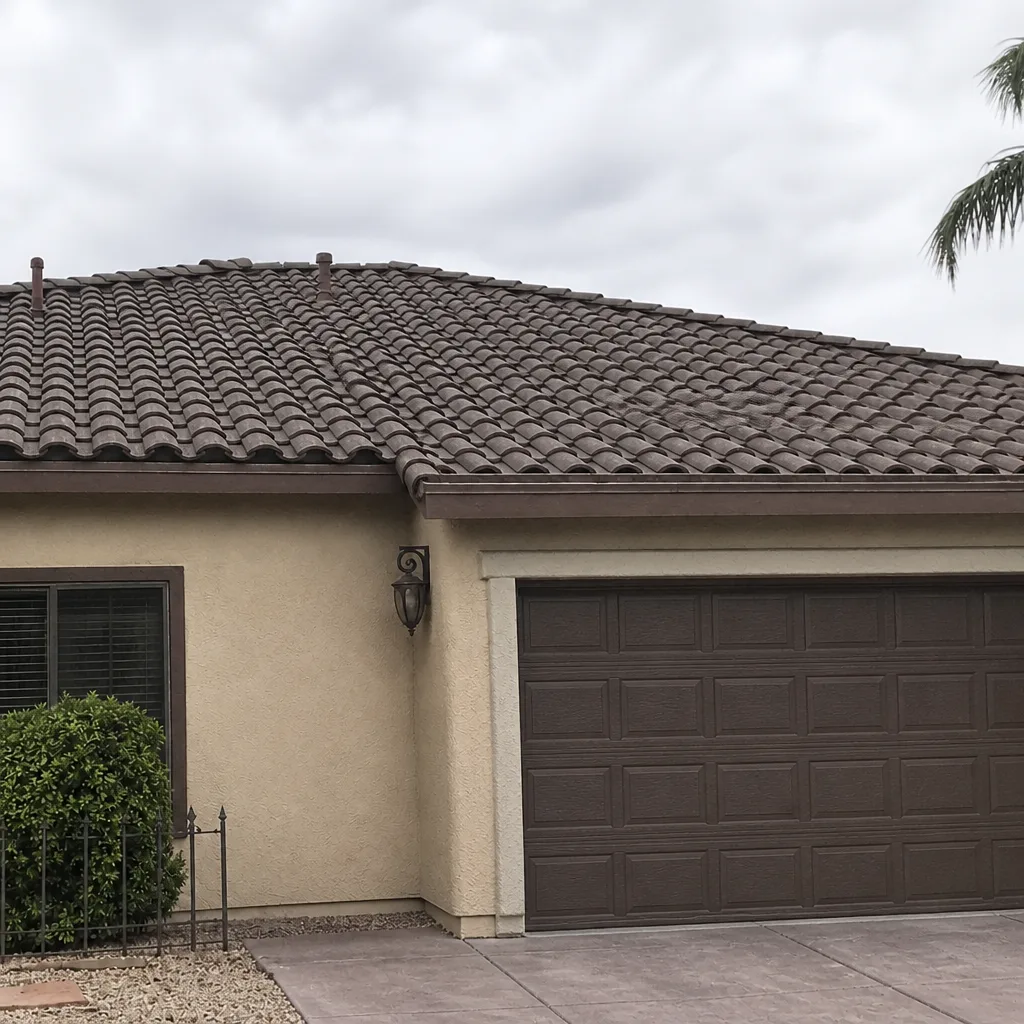
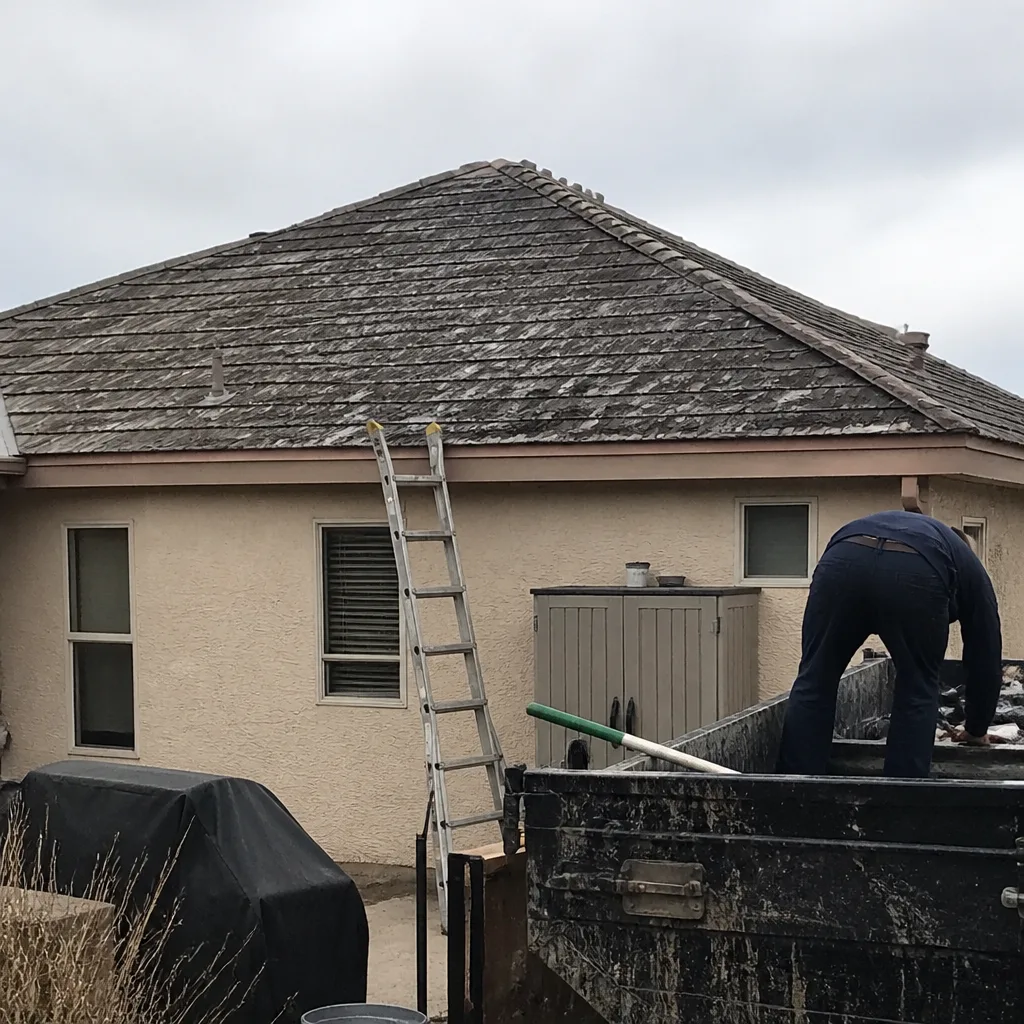
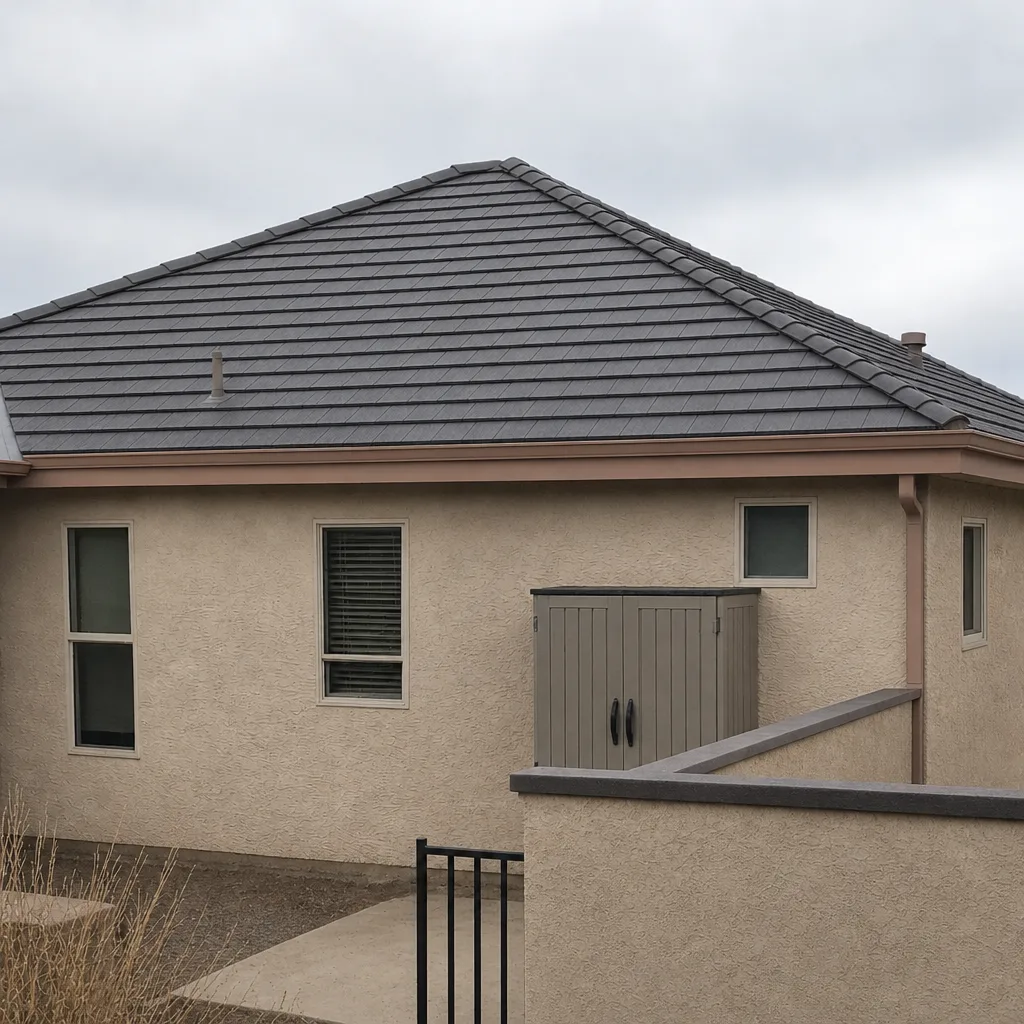
See the difference
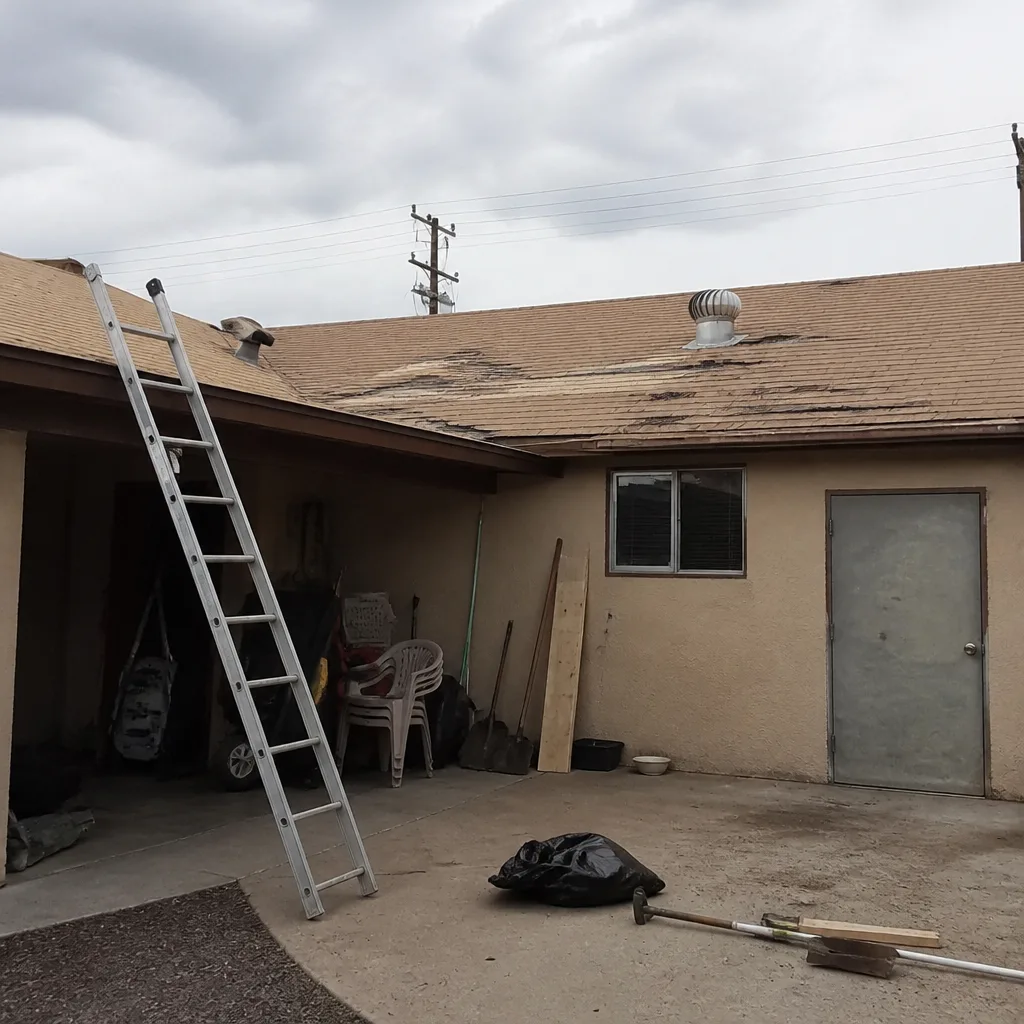 Before
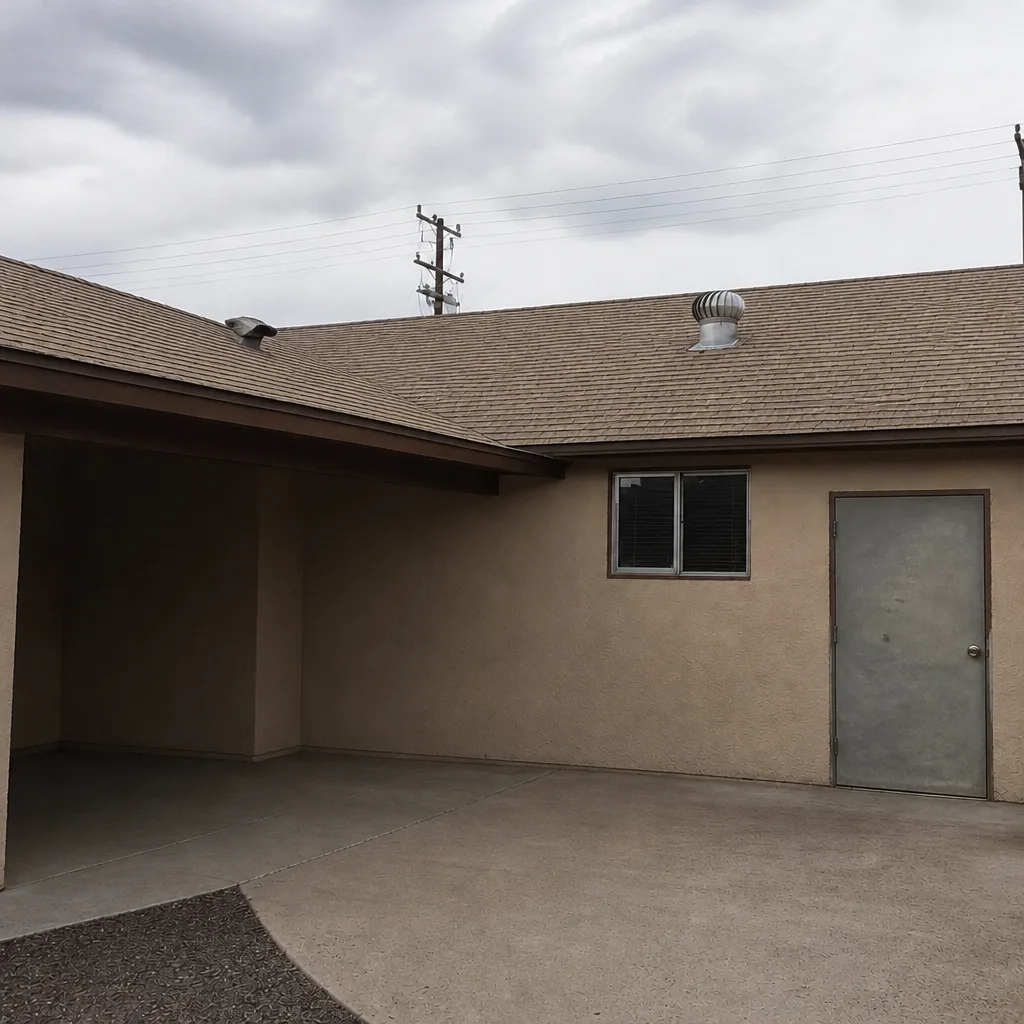 After
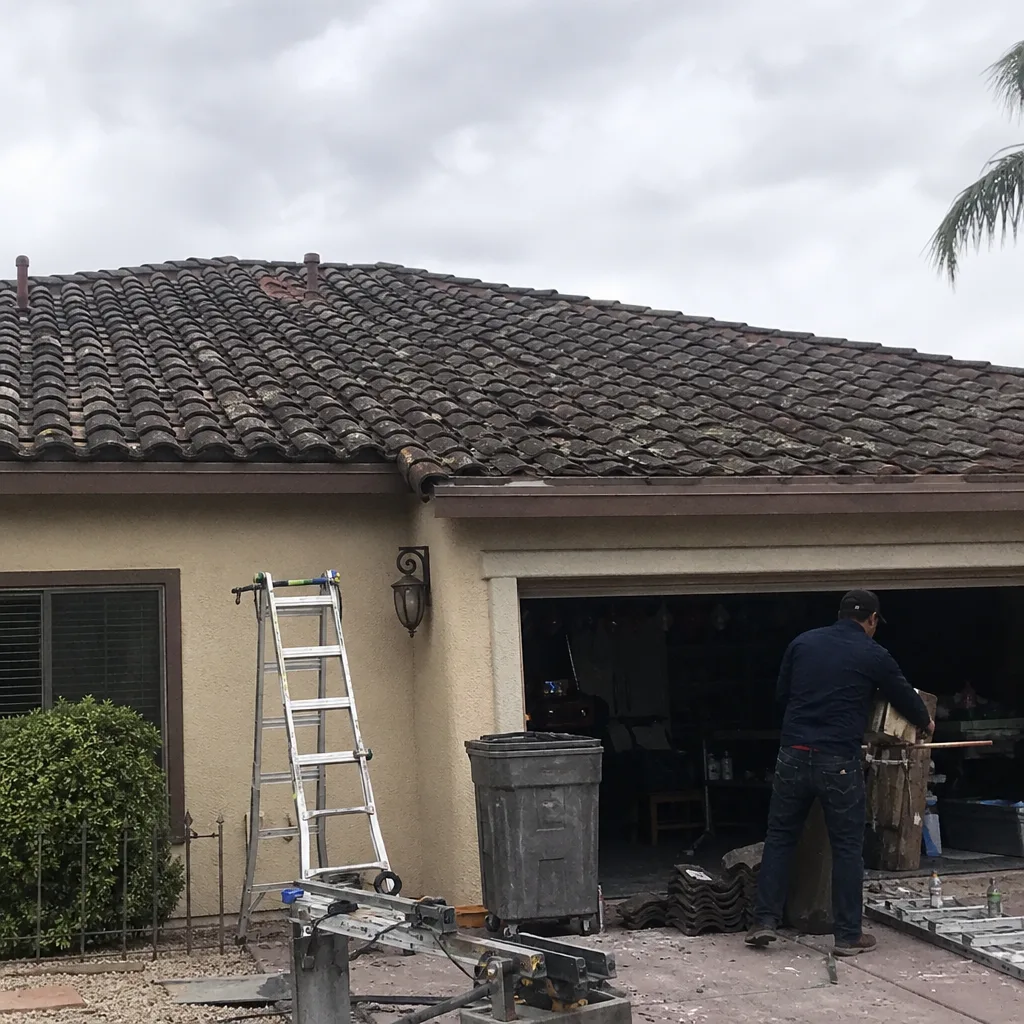 Before
 After
 Before
 After
Common Mistakes to Avoid
- Patching a leak without finding the source. Water travels. The stain on your ceiling can be several feet from the actual entry point. Repairing the visible damage without tracking down the source usually just moves the problem to a different part of the roof.
- Mismatching shingles. Patching a 3-tab shingle with an architectural shingle creates a seam that can fail in a few years, and can void the manufacturer warranty. Use compatible material, or don’t patch.
- Waiting to repair until the damage is huge. Small flashing repairs are inexpensive and quick. Water intrusion under a shingle is a bigger deal, and by the time you notice it, the decking underneath may need a repair that’s much larger than the original problem.
- Ignoring low-slope roofs. Some homeowners treat a low-slope section the same as a steep roof. They need different flashing details and different materials, and neglecting them is a common cause of monsoon leaks in Boulder City.
- Assuming replacement is always the answer. A good inspector will tell you whether repair is enough. If a contractor gives you a replacement quote without checking the flashing and penetrations, get a second opinion.
- Assuming repair is always enough. The opposite is also a mistake. Even small repairs add up, and if the roof is past its useful life, repair is a short-term fix.
- Skipping the attic inspection. A roof inspection that doesn’t include the underside of the decking misses half the story. Water damage under the roof is often more telling than the roof surface.
- Not checking the ventilation. Poor attic ventilation makes a roof age faster. It’s worth checking while the inspection is happening.
Frequently Asked Questions
Most roof repairs in Boulder City are a few hundred dollars, but the range depends on the cause and the materials. Flashing repairs and pipe boot replacements are usually at the lower end. Larger repairs involving multiple shingles or low-slope sections cost more. Your written estimate sets the final price. Call (888) 293-7813 for an exact quote – estimates are free.
Permit requirements depend on the scope of the work and local codes. For repairs, permits are often not required, but replacement usually is. We can advise you at the inspection stage. Call (888) 293-7813 to discuss your project – estimates are free.
Most repairs are a one- to two-day job. Flashing repairs and small shingle replacement are usually done in a day. Larger repairs involving low-slope sections can take longer. Your written estimate will include a timeline. Call (888) 293-7813 for a schedule.
Our written estimates are the final price. If we find additional damage once we’re on the roof, we stop and talk to you before doing any additional work, and you get a revised estimate to approve. Call (888) 293-7813 to schedule your free estimate.
Often yes, for a repair that’s accessible and doesn’t require additional materials. Same-day availability depends on the size of the repair and current schedule. Call (888) 293-7813. We answer 24/7. Fast dispatch from 7am to 7pm, Sunday through Friday.
Asphalt shingles from a leading manufacturer are the most common choice, but the right product depends on the roof’s pitch and design. On low-slope sections, the material choices are different. We install products from seven manufacturers including GAF, CertainTeed, and Owens Corning, and we’ll recommend what fits your roof and your budget rather than pushing one brand. Call (888) 293-7813 to schedule an inspection.
The Bottom Line
Desert sun and monsoon rain are the two forces that drive almost every roof repair in Boulder City. UV exposure breaks down shingles from the top down, and monsoon rain finds the weakest points in the flashing and penetrations. Most repairs should be matched to the underlying cause, not just the visible symptom. If the roof is showing widespread granule loss, multiple leaks, or damage across more than a quarter of the surface, replacement may be the better investment. If it’s a single leak or a few damaged shingles, repair usually makes sense. Either way, an inspection is the starting point. We inspect first, then recommend. Our technicians have up to 14 years of experience, and Roofing Boulder City keeps its focus on roofing alone – repair, replacement, and inspection.
Written by the team at Roofing Boulder City.
Have a roof that needs attention? Call Roofing Boulder City at (888) 293-7813 to schedule a free estimate. We inspect the roof, explain what we find, and give you a written quote with options so you can make the call. We answer 24/7. Fast dispatch from 7am to 7pm, Sunday through Friday.