
Last updated November 17, 2026
 Architectural shingles
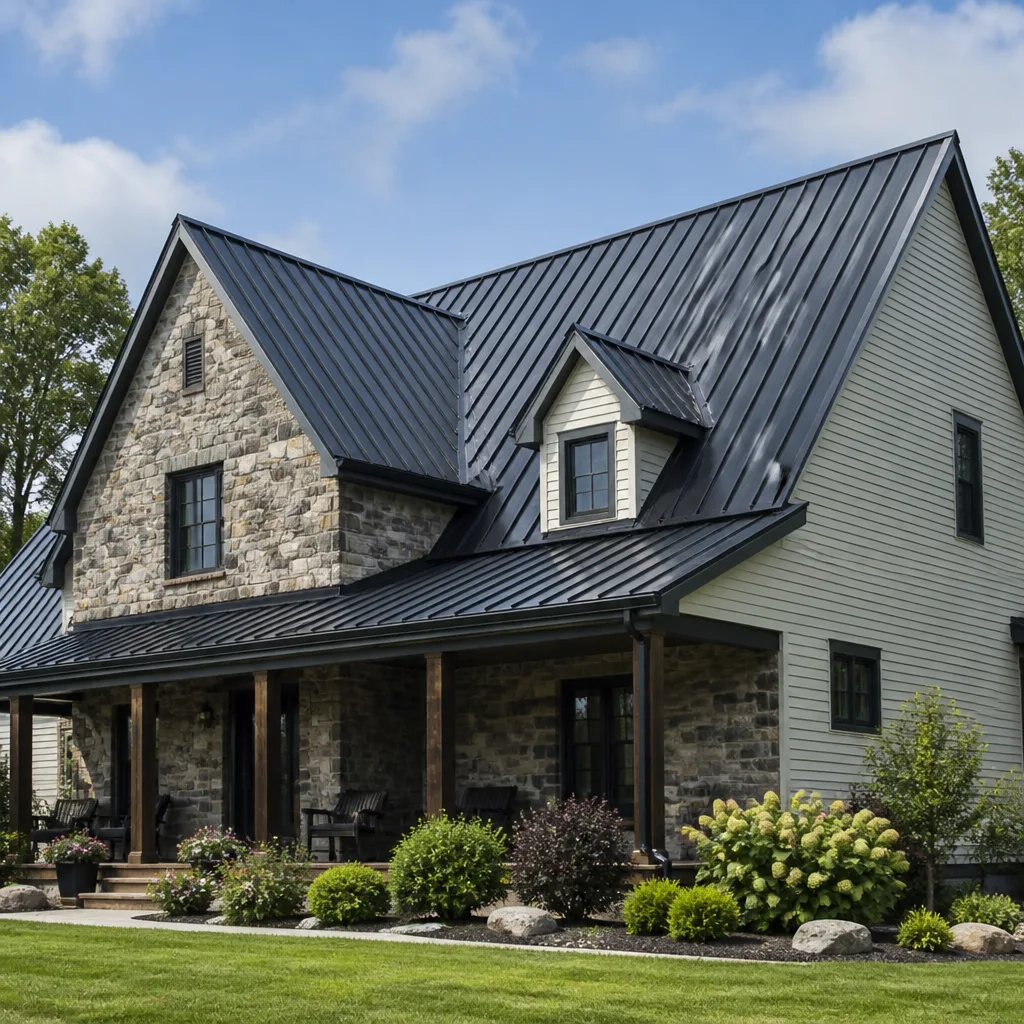 Metal roofing
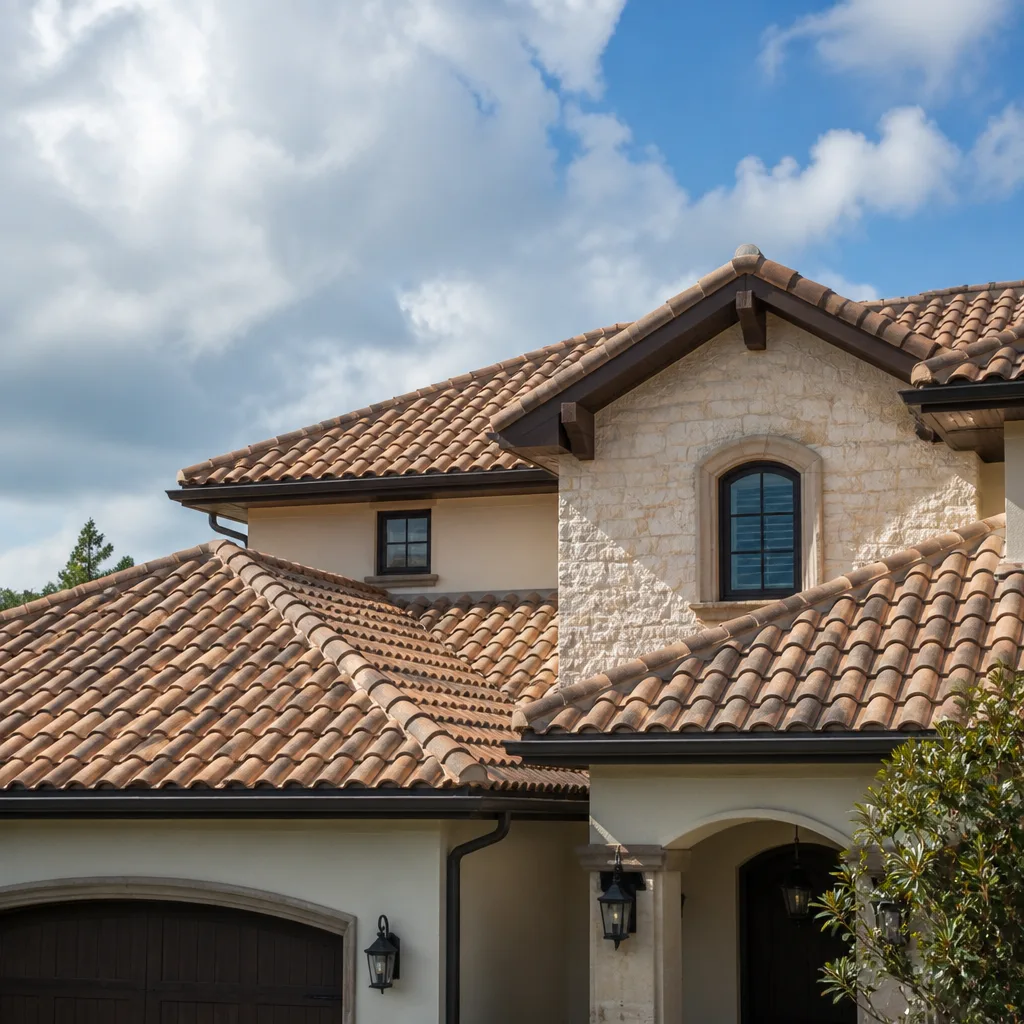 Tile roofing
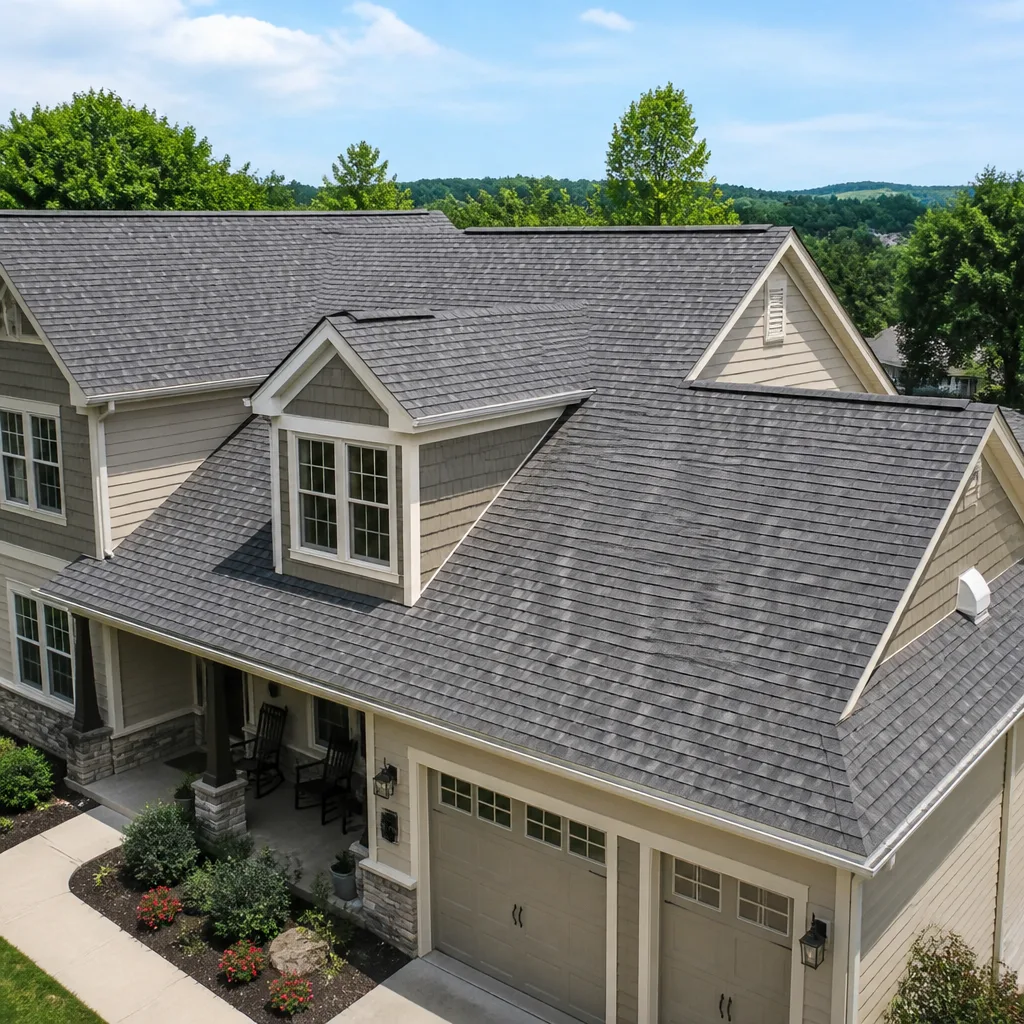 GAF
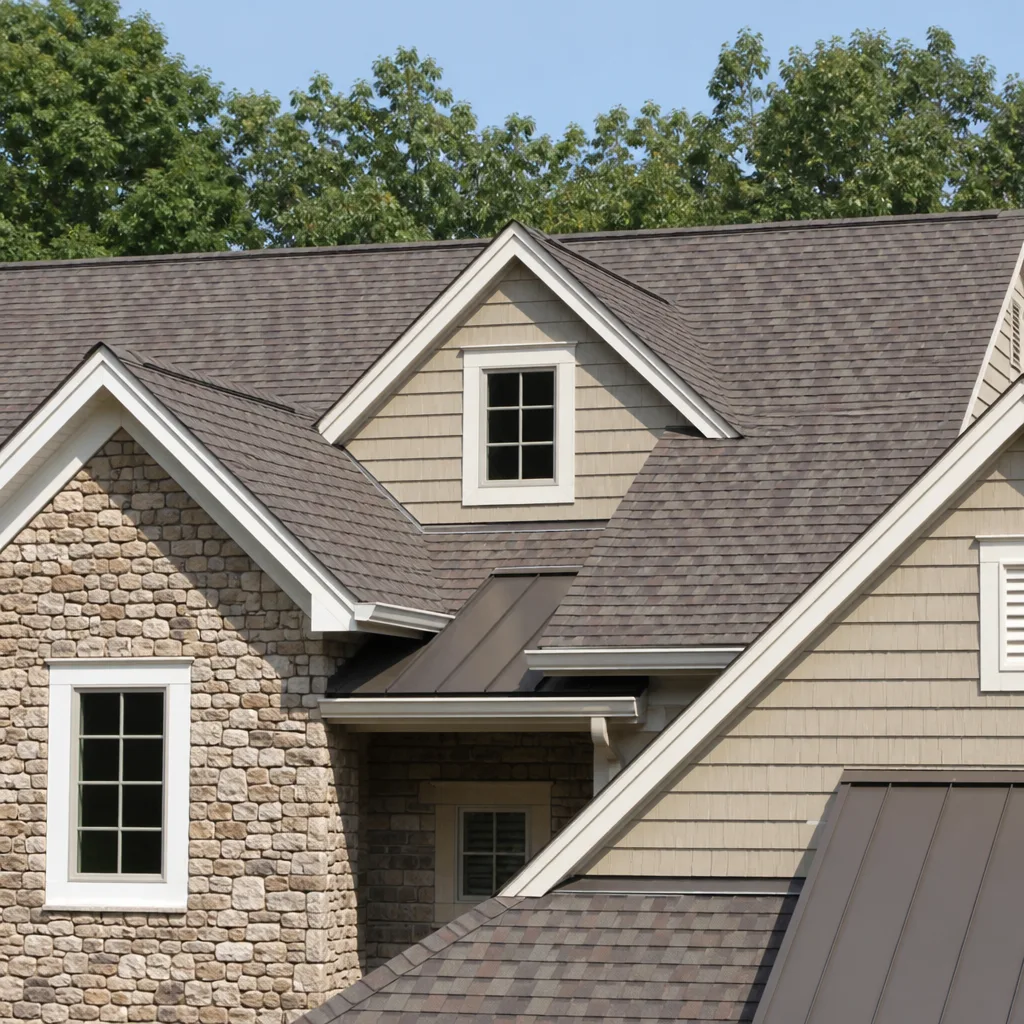 Owens Corning
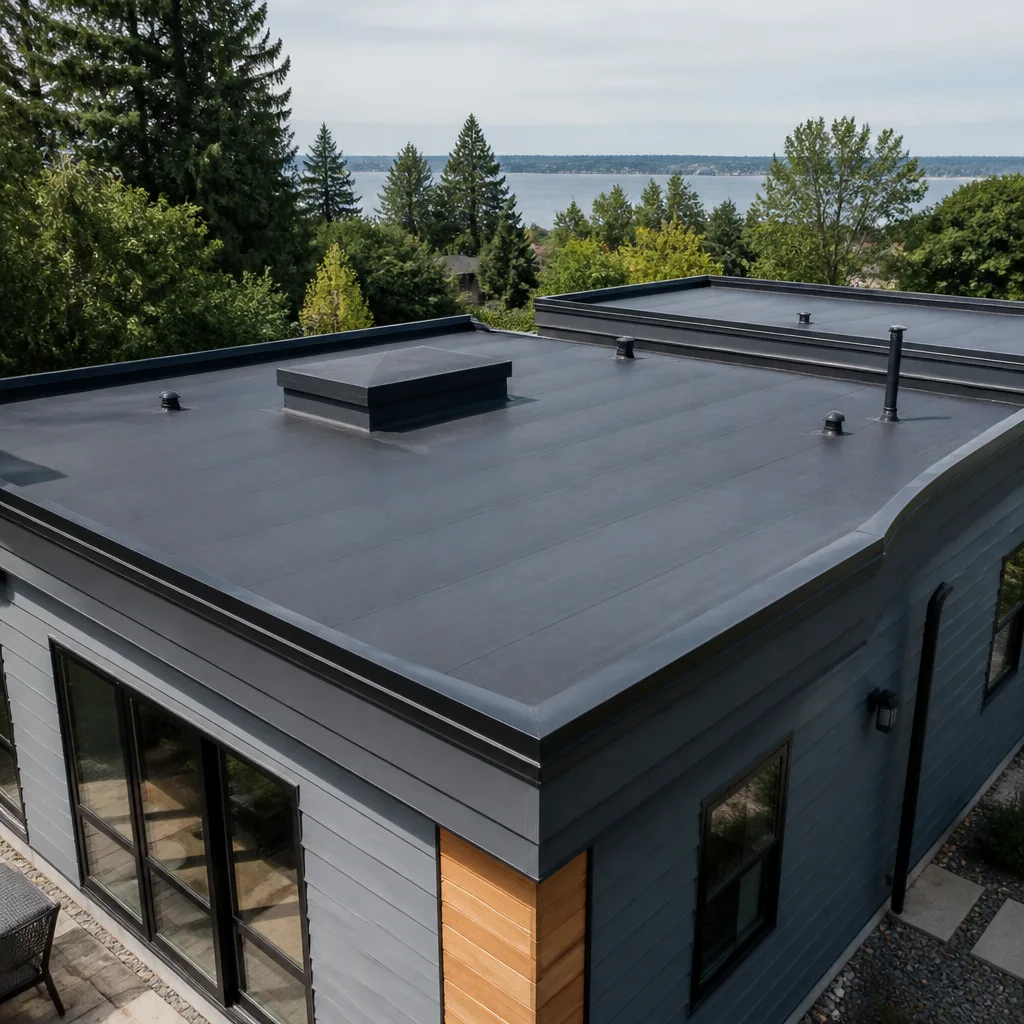 Flat & low-slope
Free roof inspection with deck photos before we talk money - GAF and Owens Corning certified installation
Roof Repair Maintenance Checklist for Boulder City Homeowners
A Boulder City roof can see a 60°F temperature swing in a single day, and most homeowners are maintaining their roofs as if that doesn’t happen. The typical advice you’ll find online was written for mild, humid climates where roofs fail slowly from moisture. Here, roofs fail from relentless sun load and from the daily mechanical flex of heating and cooling. That’s a different kind of wear, and it calls for a different checklist. In this guide, we walk through a maintenance sequence built around those two forces: sustained UV exposure and rapid thermal expansion, plus the brief but intense monsoon storms that hit Boulder City each summer. You’ll get inspection points that actually matter, material-specific standards for tile, asphalt, and metal, and a clear line between what you can safely handle and what needs a professional.
Quick Answer
A Boulder City roof maintenance checklist should prioritize UV-driven wear (granule loss, oxidized coatings, blistering) and thermal-expansion stress points (flashing, ridge caps, sealant joints) before anything else. Check those twice a year, inspect closely after summer monsoon storms, and leave anything involving roof access, sealant repair, or component replacement to a licensed professional, since improper DIY work can void manufacturer warranties.
Styles & brands we work with
- Architectural shingles
- Metal roofing
- Tile roofing
- GAF
- Owens Corning
- Flat & low-slope
Table of Contents
- Why Boulder City Roofs Age Differently
- UV-Specific Inspection Points
- Thermal Expansion Checks: Flashing, Ridge Caps, and Sealant
- Post-Monsoon Checklist
- What ‘Good’ and ‘Bad’ Look Like for Each Material
- DIY-Safe vs. Professional-Only Tasks
- A Twice-Yearly Maintenance Schedule
- Common Mistakes to Avoid
- When to Call a Professional
- Frequently Asked Questions
Why Boulder City Roofs Age Differently
Boulder City sits in the Mojave Desert at roughly 2,500 feet, which means two things for a roof: intense, sustained solar radiation and a wide day-to-night temperature spread. Summer highs commonly crest 110°F, and desert nights drop fast once the sun is down. That daily cycle is the core problem. Roofing materials expand in the heat and contract as they cool, and the mechanical stress of that repeated flexing is the equivalent of bending a metal coat hanger back and forth. It doesn’t break on the first bend. It breaks after enough of them.
UV radiation does its own separate damage. It breaks down the chemical bonds in asphalt shingles, oxidizes protective coatings, and degrades plastic and rubber sealants faster than humidity ever would. Where a moderate climate might let a sealant joint last several years, the same joint in Boulder City can harden and crack in a fraction of that time because the sun and the temperature swing are working on it together.
Add the monsoon season, when short, intense thunderstorms deliver wind-driven rain, and you get a roof environment that punishes exposed edges, poorly seated flashing, and any spot where water can get behind a surface. According to the thesis behind this guide, that combination, not rain or humidity alone, is what drives roof failure here. A checklist built for a temperate climate will miss all of it.
The good news: roofs in this climate can last a long time when their specific weak points are watched. The metal and tile systems that perform well in Boulder City do so because their failure modes are predictable. If you know where to look, you can catch small problems while they’re still small. That’s the whole point of a checklist. For a full overview of how we approach roofs in this climate, see Roofing Boulder City.
UV-Specific Inspection Points
UV damage is quiet. It doesn’t leak, it doesn’t spot your ceiling, and it doesn’t announce itself. It works on the surface of your roof, breaking down materials until one day a windstorm peels back shingles that looked fine last season. These are the points to check on a Boulder City roof:
- Granule loss patterns. On asphalt shingles, look at the downslope-facing sections first. Granules protect the asphalt from UV; once they’re gone, the shingle is exposed. Look for darker, smoother patches where granules have shed, and check gutters and the base of downspouts for accumulated grit after a dry spell.
- Oxidized coatings. Painted metal roofs and coated panels can chalk or gray as the coating breaks down. Chalky residue on the surface, faded color, or a visual dulling that’s worse on sun-facing slopes are all signs the protective layer is going.
- Blistering. Small raised bumps on asphalt shingle surfaces usually indicate moisture trapped and heated beneath the surface or manufacturing defects worsened by heat. Blisters mean the shingle’s structural integrity is compromised even if it hasn’t cracked yet.
- Sun-facing versus shaded slopes. Always compare. The slope with the most direct sun exposure will show wear years ahead of the shaded side. A big difference between the two tells you UV is the driver.
- Sealant on penetrations. Vents, pipes, and skylight frames are sealed with materials that UV degrades. Chalky, cracked, or shrinking sealant around these points is a UV story, not a water story.
In our experience, most of these are visible from the ground with binoculars or from a ladder at the eave, which means you can monitor them without climbing onto the roof. That’s the right way to start; we’ll get to what requires actual roof access later.
Thermal Expansion Checks: Flashing, Ridge Caps, and Sealant
This is the section most temperate-climate checklists skip entirely, and it’s the one that matters most for Boulder City. Thermal expansion stress concentrates at the joints of a roof, the places where materials meet or change direction. Those joints are meant to move; the problem is when they stop moving together.
Flashing
Flashing seals the roof at walls, chimneys, valleys, and penetrations. It’s usually metal, and metal expands and contracts more than the materials around it. Look for:
- Lifted or separated edges where flashing meets the wall or shingle course.
- Loose fasteners, since repeated expansion can work nails and screws out of place.
- Flashing that’s pulled away from its sealant bed, which is a widening gap you can often spot from the ground.
Ridge Caps
Ridge caps cover the highest, most exposed line of the roof and absorb both the most direct sun and the most movement. Check for caps that have lifted, cracked along the fold, or come loose from their fasteners. A single lifted ridge cap is often the first place water finds a way in during a monsoon.
Sealant Joints
Every sealant joint on a Boulder City roof is on a clock. The heat and swing accelerate hardening, shrinking, and cracking. Check every visible bead of sealant, especially at valleys, vents, and where different materials meet. A joint that has pulled away from one surface isn’t worth patching and forgetting; it needs to be redone correctly, with the old sealant removed rather than topped.
As a rule of thumb: any joint that looks tight in the cool morning and gapped by afternoon is a joint in trouble. When in doubt, our standalone roof inspection service exists to look at exactly these stress points and report the findings without any sales pressure tied to the result.
Post-Monsoon Checklist
Boulder City’s summer storm season is short and sharp. Wind-driven rain finds every loose edge, lifted flashing, and cracked sealant, sometimes all at once. After any significant storm system moves through, run this check:
- Walk the perimeter and look up. From the ground, scan for missing shingles, lifted ridge caps, displaced flashing, and any debris lodged in valleys or behind penetrations.
- Check the attic. Even without active dripping, look for fresh water staining on rafters and sheathing, damp insulation, or small puddle marks. Storm intrusion often shows up in the attic before it shows up in a room.
- Inspect ceilings and walls inside. Brown rings, bubbling paint, or discoloration near ceilings and upper walls point to water that got behind the roof surface.
- Look at the gutters and drainage paths. Granule and debris accumulation after a storm tells you what the wind and water scoured off the roof.
- Check the ground for shingle tabs or fasteners. Found material at the base of the house is a strong indicator something came loose up top.
- Document anything suspicious with photos. A dated photo of a small gap or lifted edge is useful when you call for a professional assessment, and it helps track whether a problem is growing.
What you should not do after a storm is climb up to inspect damage yourself. Wet, wind-stressed roofing material is one of the most dangerous surfaces you can step onto, and a fall from a roof is a serious injury. Observe from the ground and attic, then let a trained professional handle the roof surface. For immediate post-storm problems, our roof repair service is the place to start, and estimates are free.
What ‘Good’ and ‘Bad’ Look Like for Each Material
Every roofing material fails in its own way. Knowing the difference between normal aging and early failure keeps you from panicking over nothing, or ignoring something real. Here’s the standard for the three most common systems on Boulder City homes.
Asphalt Shingles
Good: Granules intact and evenly distributed, a relatively uniform surface, shingles lying flat and sealed at the tabs, and no visible blistering or curling.
Bad: Visible bald or dark patches (granule loss), curled or “cupped” shingle edges, blisters, cracked or missing tabs, and grit accumulating in gutters. In Boulder City’s sun, granule loss on the sun-facing slope is the single most reliable early warning sign. We install and work with brands including GAF, CertainTeed, Owens Corning, IKO, Atlas, Tamko, and Boral across performance tiers, so when shingles do need replacing, the material choice is yours rather than a single brand pushed for margin reasons.
Clay and Concrete Tile
Good: Tiles lying in straight courses, intact field tiles, no cracking along the valleys, and an underlayment that hasn’t been compromised beneath them.
Bad: Cracked or broken tiles (common after thermal flexing and impact), slipped or shifted tiles, and tiles that have visibly drifted from their course. Tile is heavy and durable, which is why it survives desert heat well, but its underlayment is the real roof and it ages far faster than the tile on top. A common mistake is judging tile by the tile alone and missing a worn underlayment beneath.
Metal Roofing
Good: A firmly fastened, uniform panel or standing-seam surface, fasteners sitting tight and secure, intact finish, and no lifting at the seams.
Bad: Chalky or fading finish (UV breakdown of the coating), fasteners that have backed out from expansion, lifted or separated seams, and any staining that suggests water is sitting or trailing where it shouldn’t. Boral is one of the tile and profile lines we work with when a metal or tile system is part of the project.
For any of these, the standard is the same: compare slopes, track changes over time, and treat new gaps or damage as an inspection trigger. If you’re not sure what you’re looking at, a professional assessment is faster and more accurate than guessing. When wear has gone far enough that repair no longer makes sense, that’s the point to look at roof replacement.
DIY-Safe vs. Professional-Only Tasks
Here’s where many checklists give bad advice by treating everything as a homeowner project. In reality, the safe tasks are observational, and the unsafe tasks are almost everything that involves touching the roof. This distinction isn’t just about injury risk, either. Improper repairs can complicate the materials and void manufacturer warranties, which is why we separate the two clearly.
Genuinely DIY-Safe
- Visual inspection from the ground with binoculars, and from a stable ladder at the eave.
- Attic inspection for water stains, damp insulation, and light showing through.
- Clearing leaves and debris from gutter troughs and downspouts at ground-accessible points.
- Keeping the roof surface clear of low-hanging branches and accumulated debris near the edge.
- Photographing problem areas and logging changes over time.
- Being aware of the weather forecast around monsoon season and checking after storms.
Professional-Only
- Any work that requires walking on the roof, period. Heat, pitch, and wind-stressed surfaces make it dangerous, and one misstep is all it takes.
- Sealant and flashing repair. The correct process usually means removing old material and reinstalling properly, not applying a bead over a gap. Improper sealant work can void portions of a manufacturer warranty.
- Replacing shingles, tiles, or metal panels. Improper installation is the most common cause of early failure and warranty denial.
- Assessing structural issues. If you suspect decking, sheathing, or framing is affected, that’s a professional call.
- Anything involving a roof component you can’t clearly identify. Installing the wrong fastener or material behind the wrong system can, and often does, compromise the whole assembly.
The line is simple: you can look, document, and clean what’s reachable from the ground. What you can’t see, seal, or fix safely belongs to a trained professional. If you’re in Boulder City and unsure which category a problem falls into, call us. Our technicians have up to 14 years of experience and can tell you what’s actually happening with your roof.
A Twice-Yearly Maintenance Schedule
The natural rhythm for this climate is two full inspections a year. A spring pass catches winter wear and prepares the roof for the heat and monsoon season ahead. A fall pass follows the storms and assesses the summer’s damage before the cooler months settle in.
Spring Pass (Before Summer)
- From the ground, look for lifted flashing, loose ridge caps, and cracked sealant at every visible joint.
- Check the attic for existing moisture damage or new staining.
- Clear gutters and confirm downspouts drain freely.
- Look for bald spots and granule loss on sun-facing slopes.
- Photograph anything you flag, then arrange a professional inspection if you see real issues.
Fall Pass (After Monsoon Season)
- Run the full post-monsoon checklist above.
- Re-examine the same areas you flagged in spring and compare photos to track change.
- Check for cracked tiles, detached flashing, and loose fasteners on metal systems.
- Confirm no water intrusion in ceilings, walls, or attic after the storm season.
- Address any loose edges or compromised sealant before winter, when small gaps still let in water and wind.
These are the observation tasks. Any repair that comes out of either pass should be done by a professional, and estimates for that work are free and come with a written line-item quote. Boulder City roofs reward this simple two-pass discipline over time. Find more detail on our city page for Boulder City.
Common Mistakes to Avoid
- Using a temperate-climate checklist on a desert roof. Most maintenance advice online is built for humid climates and misses UV and thermal stress almost entirely. It’ll tell you to check for moss and not think once about granule loss or expanded flashing.
- Climbing the roof to “check things out.” The observational work here is done from the ground and attic. Roof surfaces under desert heat and wind stress are dangerously unpredictable, and a fall is not worth the confidence it takes to get up there.
- Treating thermal gap as cosmetic. A flashing edge that lifts in the afternoon and settles at night looks minor. It’s how water gets in during a monsoon when the whole assembly is at its most separated.
- Judging tile by tile alone. Tile can look intact while the underlayment beneath it is years into failure. In Boulder City, the underlayment is often the part that fails first, and it’s invisible from the surface.
- Assuming every brand is the same. A single-brand roofer presents one option because that’s all they install. When you need replacement, you deserve to weigh the actual products, backed by manufacturer warranties from the names you know.
- Skipping the post-storm check because it didn’t leak. Water intrusion often starts silently and only shows up as a stain weeks or months later. Checking after monsoon storms is cheap insurance.
- Retrofitting repairs yourself. Applying sealant over an old joint or wedging a shingle into place can void manufacturer warranty coverage and make the eventual professional repair larger. Improper work often causes more problems than it fixes.
When to Call a Professional
Call a professional when any inspection turns up active water intrusion, lifted or separated flashing you can see from the ground, cracked tile or damaged panels, or damage after a storm that goes beyond cosmetic annoyance. Call if you’re buying or selling a Boulder City home and need an honest condition assessment, if you suspect a problem but can’t get the answer from the ground, or if you simply can’t tell good from bad. Roofing Boulder City offers free estimates in Boulder City, and our inspectors look first, then tell you what they see. Our standalone roof inspection is a diagnostic service, not a sales call dressed up as one. Call (888) 293-7813. We answer 24/7. Fast dispatch from 7am to 7pm, Sunday through Friday. For a comprehensive look, our roof repair and inspection teams handle the assessment and the fix under one roof.
Frequently Asked Questions
Twice a year is the right baseline in this climate, plus a check after any significant monsoon storm. The two forces that age roofs here are sustained UV and daily thermal flexing, and both move faster than in milder climates. A spring inspection before the summer heat and a fall check after monsoon season covers both.
You can and should do the ground-level and attic parts of the checklist, but not the roof surface. Walking on a heat-stressed, wind-stressed roof is genuinely dangerous, and several tasks, including sealant and flashing work, can void manufacturer warranties if done incorrectly. Stick to looking, documenting, and clearing what’s reachable from the ground.
Granule loss on asphalt shingles (bald or darker patches, especially on sun-facing slopes), oxidized or chalky coatings on metal, and blistering on shingle surfaces are the earliest signs. A noticeable difference between the sunny slope and the shaded slope is a strong indicator that UV is the driver. Call (888) 293-7813 to book a free estimate if you spot any of these.
Because the day-to-night temperature swing works on those joints repeatedly. Flashing and sealant sit at the places where a roof changes direction or material, which are exactly the points that expand and contract the most. Over enough cycles, that motion loosens fasteners, opens gaps, and hardens sealant until it cracks. A joint that looks tight in the morning can gap by afternoon.
Yes. We install and work with GAF, CertainTeed, Owens Corning, IKO, Atlas, Tamko, and Boral, which means real material choice across budget and performance tiers, backed by manufacturer warranties. You don’t get a single-brand take-it-or-leave-it. You get options that fit your roof and your budget.
Run the post-monsoon checklist: inspect from the ground for missing material and lifted flashing, check the attic for staining and damp insulation, and look inside for ceiling or wall discoloration. Don’t climb up to inspect damage yourself. If you see anything that concerns you, call (888) 293-7813 for a free estimate. We answer 24/7.
The Bottom Line
Boulder City roofs fail from sun and thermal swing, not from the moisture problems that dominate most maintenance advice. A checklist built around those two forces is a shorter, more effective one: watch for UV wear (granule loss, oxidized coatings, blistering) on your sun-facing slopes, monitor thermal-stress points (flashing, ridge caps, sealant joints) for expanding gaps, and inspect closely after every monsoon season. Do the observation from the ground and attic, and leave the roof surface to a professional, since improper work can void manufacturer warranties. Keep that rhythm, and your roof gives you fair warning before it fails. If you want a straight answer about your roof’s condition, call Roofing Boulder City at (888) 293-7813 for a free estimate. We inspect first, recommend second, and give you real material options. Estimates are free and come with a written line-item quote.
Written by the team at Roofing Boulder City.
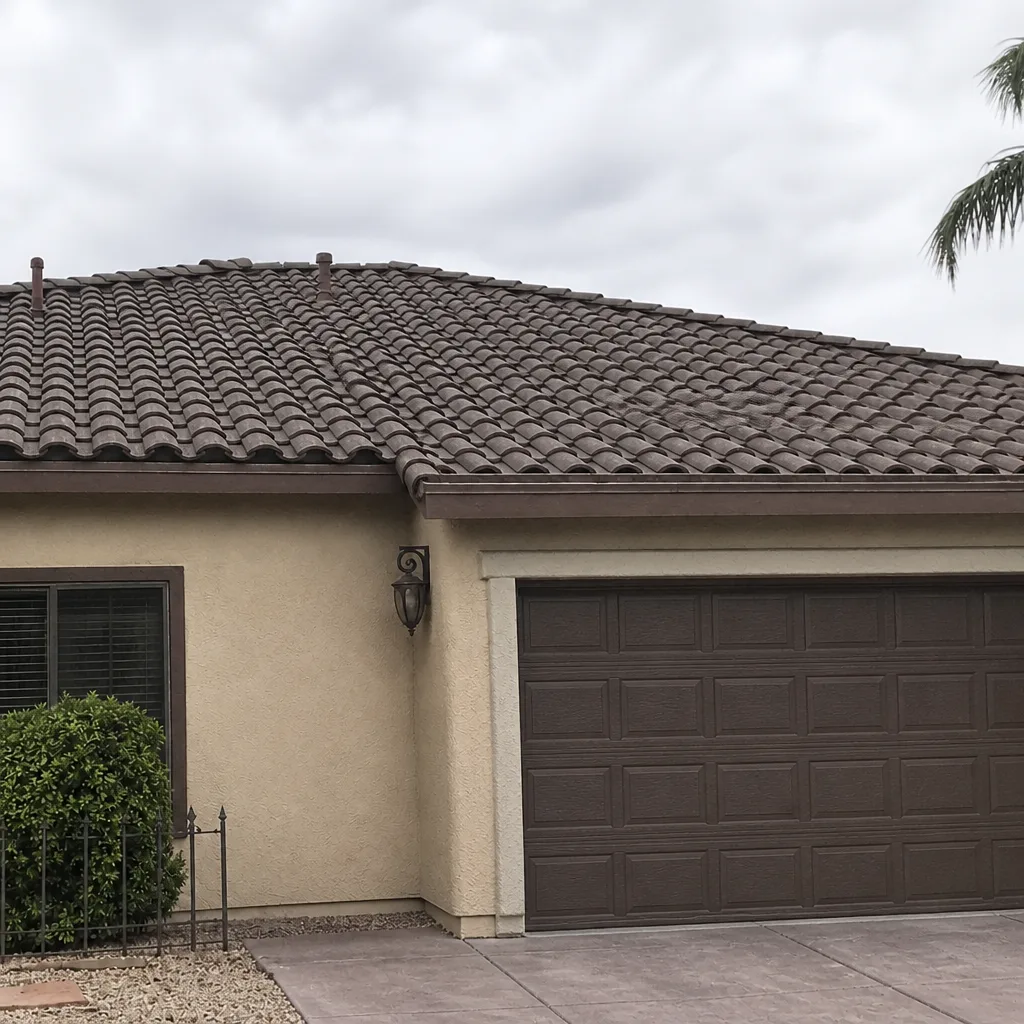
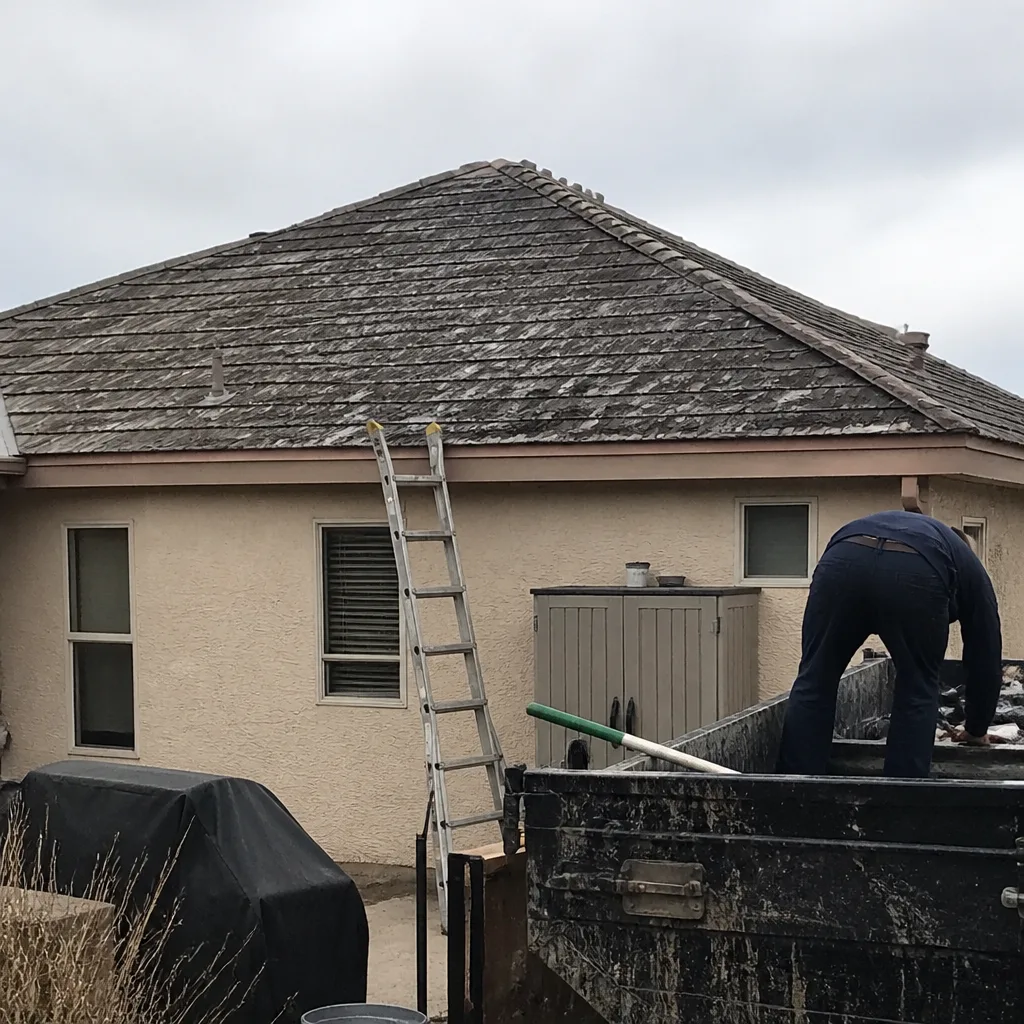
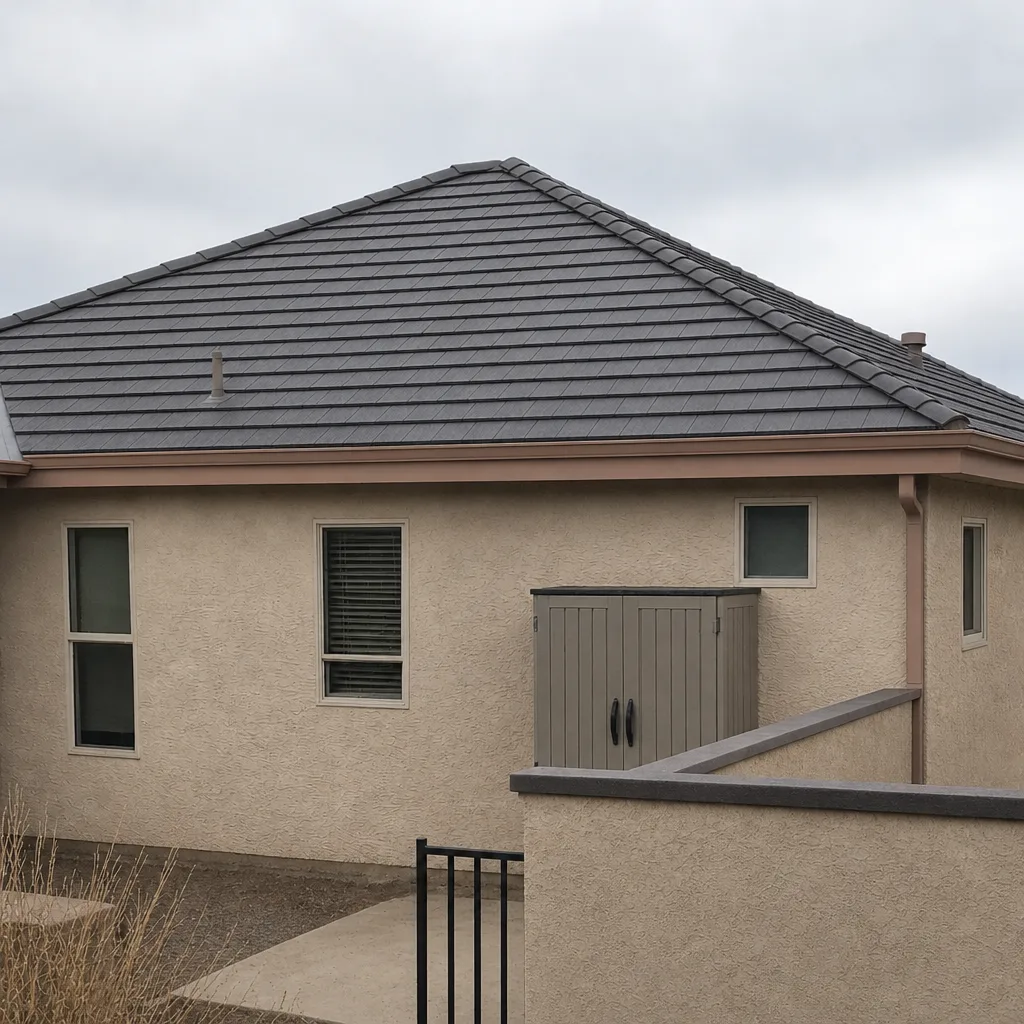
See the difference
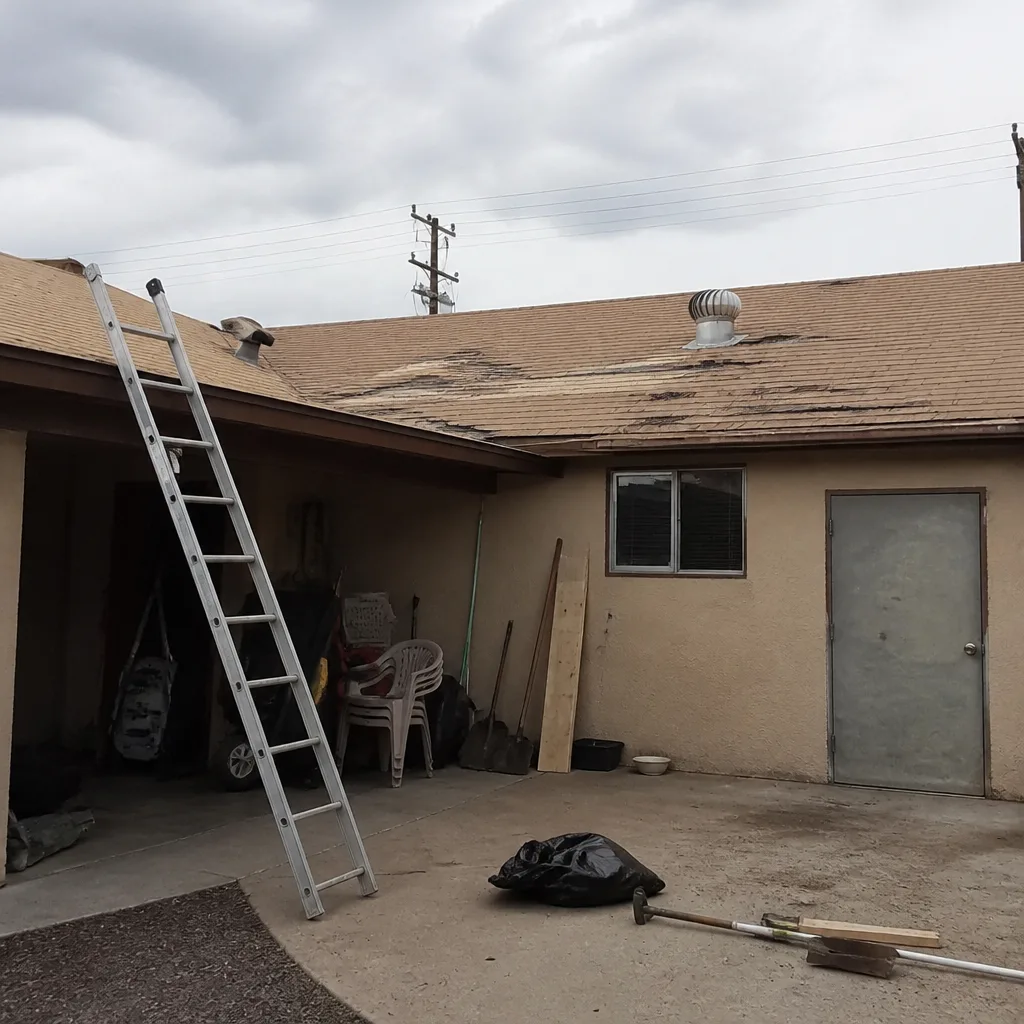 Before
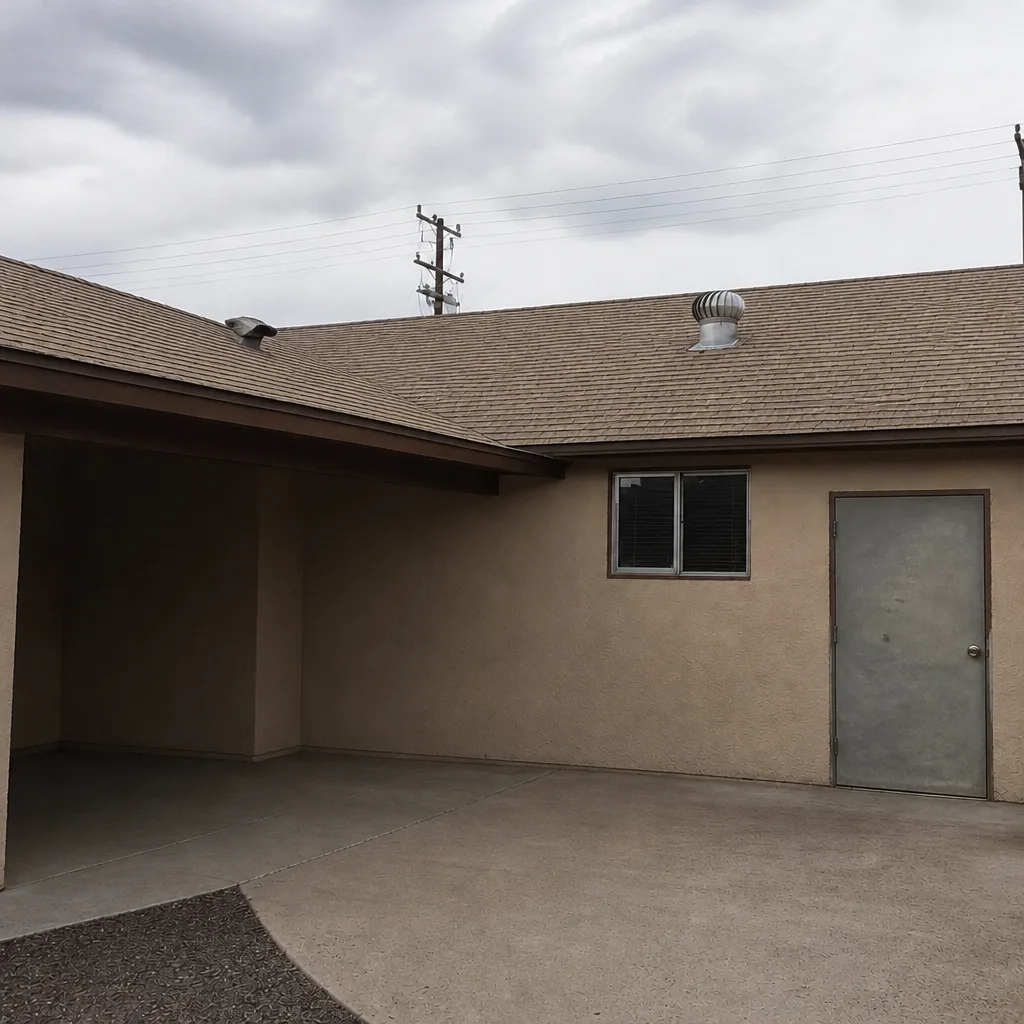 After
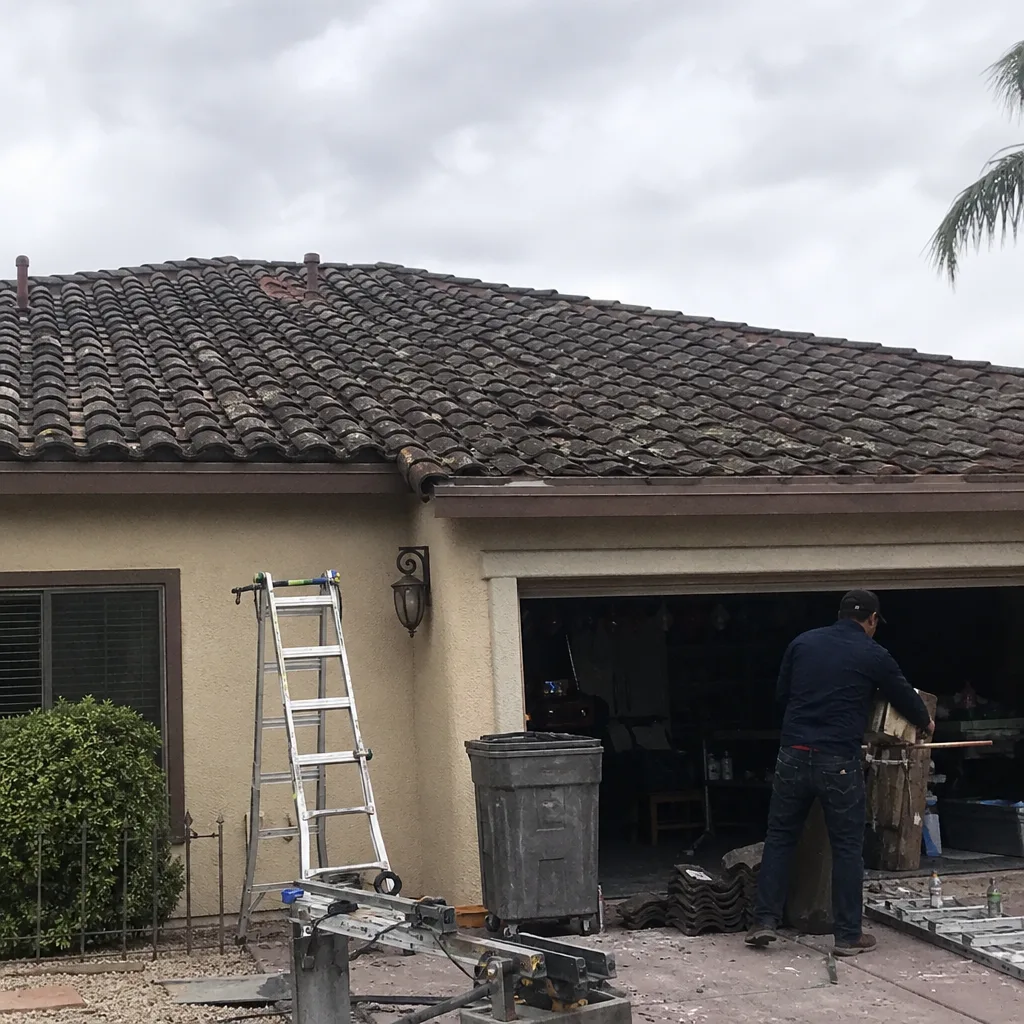 Before
 After
 Before
 After