
Last updated November 17, 2026
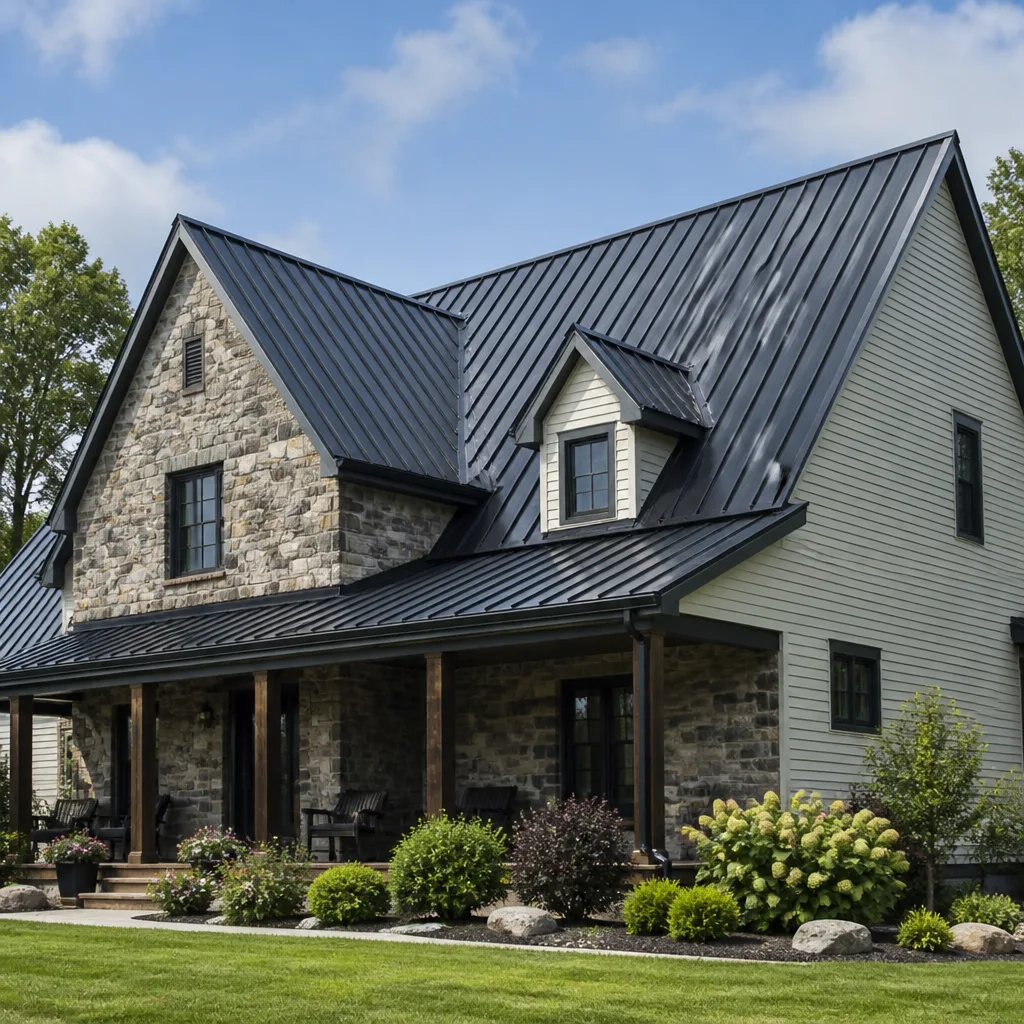 Metal roofing
 Architectural shingles
 Tile roofing
 GAF
 Owens Corning
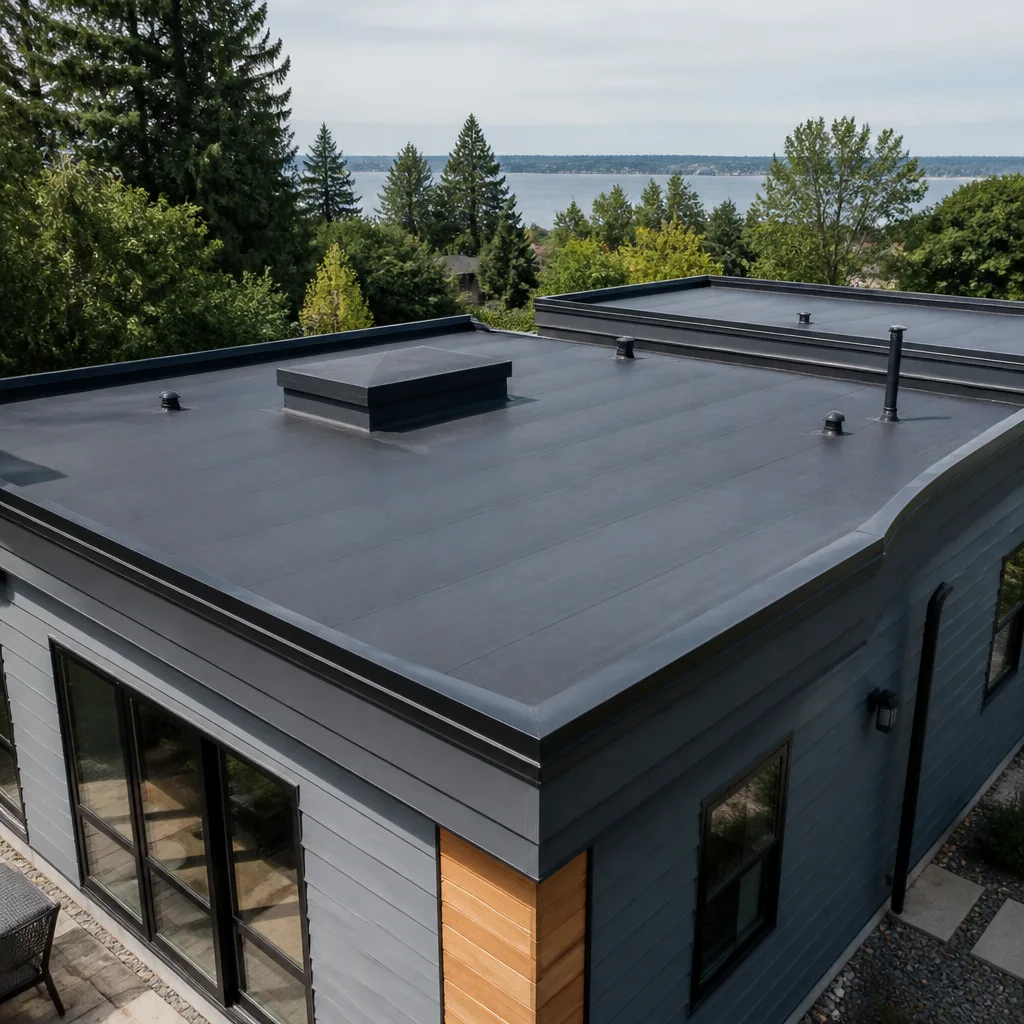 Flat & low-slope
Free roof inspection with deck photos before we talk money - GAF and Owens Corning certified installation
Seasonal Roofing Care for Boulder City: Year-Round Homeowner’s Guide
Most roofing advice you’ll find online assumes four gentle seasons, and that assumption quietly breaks down in Boulder City. The winter here is short, but it isn’t soft: nights below freezing come often enough to crack sealants and pop flashing that sailed through a full summer without complaint. Summer is the real test, with heat that pushes sealants, caulk and asphalt shingles to their limits. And the monsoon window, brief as it is, delivers the water events that find every weakness the dry months created. This guide walks through the actual seasonal rhythm of a Boulder City roof: what to check in each window, what to leave alone, and when the job has moved beyond a homeowner’s weekend attention. We’ll cover pre-summer prep, monsoon readiness, what to look at right after a storm, the freeze-thaw risks on our older flat roofs, and how to read a year’s worth of wear in spring.
Styles & brands we work with
- Architectural shingles
- Metal roofing
- Tile roofing
- GAF
- Owens Corning
- Flat & low-slope
Quick Answer
Seasonal roof maintenance in Boulder City fits a four-cycle pattern rather than a traditional spring-summer-fall-winter checklist: inspect and reseal in April and May before the heat settles in, get drainage and flashing storm-ready before the monsoon, do a damage walk-through within 48 hours of any significant storm, and check freeze-thaw points on flat and low-slope roofs during the coolest months. Spring is when you read a full year of accumulated UV and thermal strain and decide whether repair or replacement is the right call.
Table of Contents
- Understanding Boulder City’s Four Roofing Cycles
- Pre-Summer Prep: What to Inspect Before 100°F Becomes Routine
- Monsoon Readiness: Getting Your Roof Storm-Ready
- The 48-Hour Post-Storm Assessment
- Winter Watch: Freeze-Thaw and Low-Slope Risk
- Spring Material Review: Reading a Year of Wear
- Repair or Replace? How the Annual Cycle Tells You
- Common Mistakes to Avoid
- When to Call a Professional
- Frequently Asked Questions
- The Bottom Line
Understanding Boulder City’s Four Roofing Cycles
The calendar on a Boulder City roof is not really spring, summer, fall and winter. It’s heat, storm, cool-down and recovery. Each one stresses a different part of the assembly, and each one sets up the next for damage if it hasn’t been handled. Keeping that in mind changes what you actually do and when, because the homeowner who reseals in May is handling a very different problem than the homeowner who reseals in August.
Here’s how the four cycles map to what a roof actually experiences:
- Pre-summer heat ramp (April through mid-June): temperatures climb and the roof materials expand with them. Sealants applied in cooler weather are still pliable. This is the last comfortable window to fix small problems before the heat makes them worse.
- Peak heat plus monsoon (mid-June through September): thermal expansion is at its maximum and the storm season arrives. Wind-driven rain finds every gap. This is the window where existing weaknesses become active leaks.
- Post-monsoon assessment (October): the storms have passed, and the actual condition of the roof is now visible. This is the check homeowners skip, and it’s the one that catches the damage before it turns into interior staining months later.
- Freeze-thaw (November through February): nights below freezing expand water that gets into cracks and push at flashing and seams. Flat and low-slope roofs common in the mid-century housing stock around Boulder City are the most vulnerable here.
Spring is the recovery cycle. It’s when a year of heat, water and cold all comes due, and where you decide whether the accumulated strain justifies a full roof replacement or a targeted repair. Treat each cycle as a step in a single annual process, not four independent to-do lists.
Pre-Summer Prep: What to Inspect Before 100°F Becomes Routine
April and May are the last practical window to reseal, tighten and repair before the daily heat starts driving thermal expansion at full strength. Once the roof is regularly over 100°F, sealants cure harder and less predictably, and small gaps open faster than they can be closed. Doing the prep work now means the roof is on solid footing when the expansion cycle peaks.
What we recommend checking each spring before summer locks in:
- Every penetration and vent boot. The rubber or plastic collar around plumbing stacks and vents is usually the first thing to fail. Press gently with a thumb. If the material is brittle or has visible cracks, it needs replacing now, not after it shows up as a ceiling stain.
- Flashing around chimneys and wall intersections. Boulder City’s dry spring months are when stepped and counter-flashing pull away from masonry as materials expand at different rates. Look for open seams and loose fasteners.
- Sealant at valleys, hips and ridge caps. Run a hand along the sealant to feel for cracks, gaps or separation. Cool-season flexibility still exists this time of year, so resealing here actually bonds.
- Fastener backs-out on exposed fasteners. On metal panels or exposed-fastener systems, look for screws that have risen and sealant washers that are perished. Replacing them now is straightforward.
- Attic and under-deck ventilation. Verify intake and exhaust vents aren’t blocked. Good ventilation reduces heat buildup and slows sealant degradation from underneath.
- Check for UV chalking and shingle granule loss early. If granules are visibly accumulating in gutters or at valley bottoms, the shingles have been through a hard year and are worth reading seriously. We’ll get to that in the spring review section.
Notice that none of this requires you to climb anywhere steep. A pair of binoculars from the ground covers most of it, and a careful poke through the attic access covers the rest. Anything that needs actual roof access is worth a professional eye from this point on. If you’re not sure what you’re looking at, an independent roof repair assessment now is far cheaper than a post-monsoon surprise.
Monsoon Readiness: Getting Your Roof Storm-Ready
Monsoon season is the single highest-risk window a Boulder City roof faces for water intrusion. What makes it dangerous isn’t total rainfall: it’s the intensity and the wind angle. A dry roof that has baked for weeks can shed water quickly if the drainage is clear, but a single poorly fastened flashing or a blocked scupper will send water into the assembly instead of off the roof.
Before the storm window opens each year, get these in order:
- Clear gutters, downspouts and scuppers. Even on a dry-climate roof with modest gutter runs, debris from spring wind and pollen plugs the exit points. If water can’t leave, it finds another path, and that path is usually into the wall.
- Check valley direction and shrub clearance. Tree limbs within a few feet of the roof drop debris directly onto the roof surface and abrade shingles in the wind. Trim back before the season, not after.
- Inspect and fasten flashing and edge metal. Wind-driven rain is the real threat. Any flashing that’s loose enough to lift will pull water sideways under the course above it. Press-test it before a storm tests it for you.
- Look at skylight curbs and penetrations. These are the highest-density leak points on any roof. Sealant cracks that look minor in dry weather become active pathways in minutes of driven rain.
- Walk the attic on a dry day. Look for daylight, water staining and damp insulation at the perimeter and around penetrations. Catching a weakness here is free; catching it during a storm is not.
Boulder City’s monsoon rain often arrives with the kind of wind that drives water sideways into places vertical rain never reaches. That’s why flashing integrity matters more than the roofer’s standard “check for missing shingles” advice. If you want a proper pre-season read, a standalone inspection is worth more than guessing from the driveway. Our Roofing Boulder City team treats inspection as its own service for exactly this reason.
The 48-Hour Post-Storm Assessment
The 48 hours after a significant storm are the highest-value inspection window of the entire year, and it’s the one most homeowners miss. Water that enters the roof assembly during a storm doesn’t necessarily show up inside right away: it travels through decking, insulation and framing before it reaches a ceiling. By the time you see a stain, a small gap has had days or weeks to work. A focused check in the first 48 hours catches the damage while it’s still localized.
Here’s what to do after a significant storm event:
- Ground-level visual pass first. From a safe distance, look for shifted shingle courses, missing or lifted ridge cap, displaced flashing, and any visible debris on the roof surface. Don’t walk a wet roof.
- Check inside at the perimeter. Look at ceiling corners, wall junctions near the eaves, and around chimney or skylight penetrations for new dampness or discoloration. Slight fresh staining is an early signal.
- Walk the attic. This is where the honest information lives. Look for fresh water tracks on framing, damp insulation, and daylight around penetrations. Photograph anything you find.
- Look at the drainage paths. Check that gutters and scuppers handled the water and that water didn’t back up under the edge metal or enter at low-slope transitions.
- Note any new granule accumulation. Fresh granule piles at downspout outlets or valley bottoms after a storm indicate that shingle surfaces took real abrasion. That’s a material check item, not an emergency.
- Document and decide. Log what you see. If you found anything beyond cosmetic, get a professional look before the next system moves through.
This is not the moment to attempt repairs yourself. Post-storm roofs are wet, slick and often compromised in ways that aren’t obvious from the surface. A trained technician will know where to look and what’s safe to step on. If the storm has caused a ceiling leak, that’s the one situation where speed genuinely matters.
Winter Watch: Freeze-Thaw and Low-Slope Risk
Boulder City’s winter looks mild on paper, but the freeze-thaw cycle is a real force on flat and low-slope roofs, which are common in our mid-century housing stock. On a night that drops below freezing, any water that has seeped into a crack, seam, or under a flashing edge expands. When it thaws the next morning, it has pushed the material slightly further open. Repeat that across a winter and small cracks become real pathways by spring.
Where to focus during the winter watch:
- Seams and laps on low-slope roofing. Look for lifting edges, blistering, and any spot that stays damp after a cool morning. Water that hasn’t drained is water that will freeze.
- Flashing edges at parapet walls. The junction where flashing meets masonry is the most common freeze-thaw failure point. A small separated edge in November can be a leak by February.
- Drainage points and ponding. If water pools anywhere and then freezes, the ice itself is a mechanical force. Clearing drain points before cool nights start is the cheapest protection you’ll ever get.
- Skylight curbs and roof hatches. Anywhere the roof transitions from flat to vertical is vulnerable, because water gathers at the base of the vertical surface where it meets the roof plane.
- Attic insulation near roof deck. Look for damp insulation or condensation near the deck. In a well-sealed home, even moisture from inside can freeze on a cold deck and start the cycle.
You don’t need to do anything exotic here. A careful visual walk on a cool morning with a notebook and a phone camera covers most of it. Anything that needs sealing during these cooler months should be done by someone who knows the seam materials involved. Different low-slope systems want different sealants, and choosing the wrong one is how small openings become large repairs. If you’re uncertain whether what you’re seeing is cosmetic or structural, a professional inspection is worth the call.
Spring Material Review: Reading a Year of Wear
March and April are when the year’s accumulated damage becomes visible in patterns. The roof has been through heat expansion, monsoon water, and freeze-thaw, and each cycle leaves its signature. Reading those signatures correctly is what separates a homeowner who replaces at the right time from one who’s caught out by a leak mid-summer.
What to look for, and what each pattern means:
- Granule loss concentrated on south and west elevations. Those are the faces that take the most direct sun. Widespread granule loss on those slopes is a sign of advanced UV fatigue, and it usually means the shingles have less life left than the rest of the roof.
- Curling, clawing or lifting shingle edges. On asphalt shingles, this is thermal fatigue at the shingle’s most flexible point. When it shows up across whole courses, the material is past its useful window.
- Chalking on metal or modified surfaces. A powdery film that rubs off onto a hand means the surface coating has broken down. It’s not always a problem on its own, but it tells you the topcoat is losing its UV protection.
- Cracked and separated sealant lines. Sealant typically shows its real age at this point. If last year’s pre-summer reseal already shows cracks, the sealant you applied didn’t bond right, or the surface beneath it was already failing.
- New interior staining. Any springtime interior stain that wasn’t there in fall is a signal that something opened up over winter. Note where it is relative to the roof above it; that’s the diagnostic clue.
- Soft or spongy spots when walked. This suggests sheathing or insulation is compromised. Stop walking there and call a professional.
This is the review that informs the decision most homeowners face eventually. If the roof has been patched for a few years and the pattern of damage is now broad, the repair budget is quietly turning into replacement money spent one job at a time. Reading it now, in spring, means you can choose the timing instead of it being chosen for you.
Repair or Replace? How the Annual Cycle Tells You
This question comes up most often in spring, and the honest answer is that the annual cycle itself gives you most of the data you need. When the same problem returns after every monsoon, the surface has widespread material fatigue, or the cost of repeated patching is approaching the cost of a replacement, you’re past the repair stage. When the damage is concentrated in one area and the surrounding material is still sound, repair is almost always the right call.
A practical way to think about it:
- Repair when the problem is localized (a small flashing failure, a single worn vent boot, a damaged ridge cap), the surrounding material is still flexible and granule-rich, and the leak source is identifiable.
- Replace when the damage is spread across whole slopes or multiple elevations, the material is visibly at the end of its cycle (curling, heavy granule loss), or you’re calling for the same leak more than once a year.
Boulder City’s climate actually makes material choice easier than it might seem. Performance across all four cycles favors products built for heat and UV resistance above all else. In our experience, homeowners usually do best with mid-to-premium architectural shingles rather than the cheapest entry-level products, because the UV and thermal load here punishes cheap material faster than in a cooler climate. Lines like IKO’s architectural range or Atlas shingles hold up well at the mid tier, while a premium CertainTeed or GAF line is worth the step up if this is the last roof the home will need for a long time. Tamko option is a solid fit when the budget is genuinely tight, and Boral products are worth considering if you want the look and longevity of a heavier tile or slate-look roof without the coastal-weather premium arguments. Seven leading brands, so you’re choosing what fits the roof and the budget rather than being handed one option. That’s the point of working with a specialist.
Common Mistakes to Avoid
- Treating the calendar like a coastal homeowner’s checklist. February-through-April inspection advice copied from wetter climates misses the fact that Boulder City’s roof is actually stressed hardest in June through September. Match the schedule to the real cycles here, not to a generic four-seasons template.
- Skipping the October post-monsoon walk. The fall assessment is the check most homeowners never do, and it’s where the storm damage actually becomes visible. Miss it and a hairline crack from August is a stained ceiling by December.
- Resealing in the wrong window. Applying sealant when the roof is hot doesn’t bond the way it should. April and May are the practical window; anything you do after the roof is baking through the day is half a fix.
- Ignoring freeze-thaw on flat and low-slope roofs. Mid-century housing stock around Boulder City has a lot of low-slope roofing, and freeze-thaw is the sneaky failure point. A separated flashing edge in November is easy to reseal. The same edge in February is a leak.
- Judging the roof by the shingles alone. Flashing, vent boots, valleys and penetration seals fail before the field shingles do on most Boulder City roofs. A shingle-only inspection misses the parts that will actually leak first.
- Patching the same spot year after year instead of reading the pattern. Recurring leaks in the same area after each monsoon mean the repair wasn’t addressing the actual mechanism. If the leak keeps coming back, the diagnosis is the problem, not the patch.
- Assuming a small stain is a small problem. By the time water reaches the ceiling, it has been traveling through the assembly. The visible damage is often much less than what’s underneath it.
When to Call a Professional
Some seasonal care belongs in your hands: clearing gutters, trimming trees, walking the attic with a notepad, and checking for stains. Some work is a step beyond that. Anything that involves climbing on the roof after a storm, resealing seams and flashing, replacing vent boots or solving a leak you can’t trace from the ground is worth the call. Boulder City’s spring heat ramp makes timing matter too, so a seasonal fix in April is worth more than the same fix in July. If your roof is past its useful life stage or the annual cycle keeps pointing at the same failures, a proper inspection will tell you whether targeted repair or a full replacement is the smarter money, and it will do it without pushing work you don’t need. Roofing Boulder City offers free estimates in Boulder City. Call (888) 293-7813. We answer 24/7. Fast dispatch from 7am to 7pm, Sunday through Friday. The estimate is free, the quote is written line by line, and the written estimate is what sets the final price.
Frequently Asked Questions
Spring, specifically the April and May window just before the heat locks in. That’s the last practical point to reseal, replace failing vent boots, and address small problems before thermal expansion makes them worse. It’s also the season when a full year of accumulated wear becomes visible, which makes it the best time to decide whether repair or replacement is the right call. If you’re not sure what you’re looking at, call (888) 293-7813 for a straight answer. We answer 24/7, with fast dispatch from 7am to 7pm, Sunday through Friday.
Do a ground-level visual pass, then walk the attic within the first 48 hours. Look for new ceiling stains at the perimeter, fresh water tracks on framing, and damp insulation around penetrations. Don’t walk a wet roof after a storm; that’s a job for a trained technician. Call (888) 293-7813 to schedule an inspection if you find anything beyond cosmetic. Estimates are free.
Yes. Boulder City winters can drop below freezing often enough to freeze-thaw any water sitting on a flat or low-slope roof, which slowly widens cracks, seams and flashing edges. The mid-century housing stock around town has a lot of this roofing, which is why the winter watch matters here. Sealing before cool nights start, and clearing drainage points, handles most of the risk. Call (888) 293-7813 for a professional look if you see separated flashing or standing water.
Look for widespread granule loss concentrated on the sun-facing slopes, shingle edges curling or clawing, and a rough or chalky surface rather than a grainy one. When those signs show up across whole slopes rather than isolated patches, the material is at end of life. A professional inspection tells you for certain, and helps you decide whether a repair will hold or whether replacement is the better use of the budget. Call (888) 293-7813 to book one.
Yes to gutters, tree trimming, attic checks and stain monitoring. No to anything on the roof after a storm, resealing flashing or seams, replacing vent boots, or chasing a leak you can’t trace. Wet roofs and steep pitches are the two situations where even careful homeowners shouldn’t be up there. Call (888) 293-7813 for the parts you don’t want to handle. Estimates are free.
It depends heavily on material choice and how the roof is maintained through the annual cycle, but the heat and UV load here does shorten lifespan compared to cooler climates for any given product. Higher-tier architectural shingles from a brand built for heat resistance (CertainTeed, GAF, Owens Corning) usually give more service years than entry-level products. The honest answer for your specific roof comes from an inspection, not a generic number. Call (888) 293-7813 to schedule one. We answer 24/7. Fast dispatch from 7am to 7pm, Sunday through Friday.
The Bottom Line
Boulder City doesn’t reward a generic four-seasons roofing checklist. It rewards a roofer’s calendar built around the actual cycles: inspect and reseal in spring before the heat locks in, get drainage and flashing storm-ready before the monsoon, do a 48-hour walk-through after any significant storm, watch the freeze-thaw points through the cool months, and read a full year of wear each spring so you’re deciding between repair and replacement on your own terms. Do those things and your roof will last longer, leak less, and stop being a source of uncertainty. Skip them and the roof will still tell you what’s wrong, just on its own schedule. When you’d rather have a trained eye than a checklist, call (888) 293-7813. We answer 24/7. Fast dispatch from 7am to 7pm, Sunday through Friday. Estimates are free, and the written quote is what sets the final price. Our technicians have up to 14 years of experience, and we work across seven leading roofing brands so the material choice is yours. Visit Boulder City for our full local service page.
Written by the team at Roofing Boulder City.
See the difference
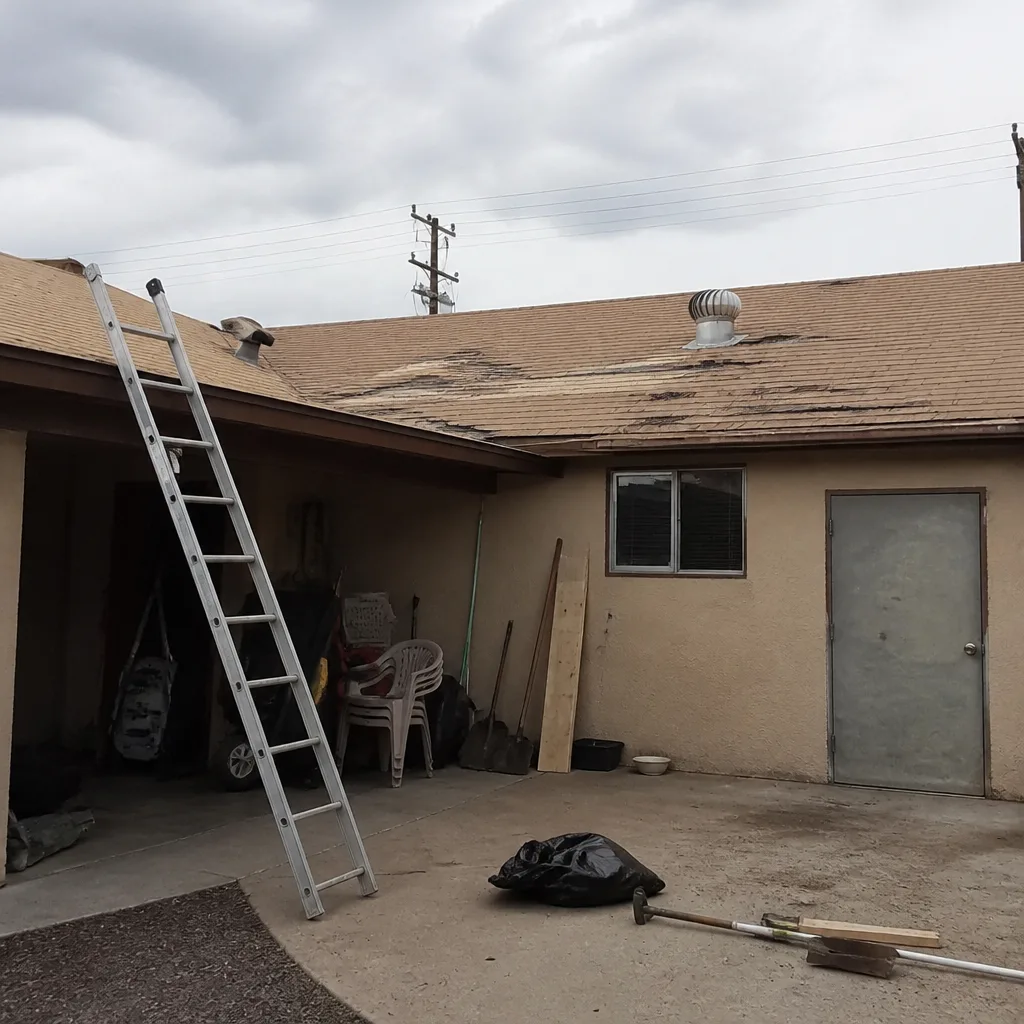 Before
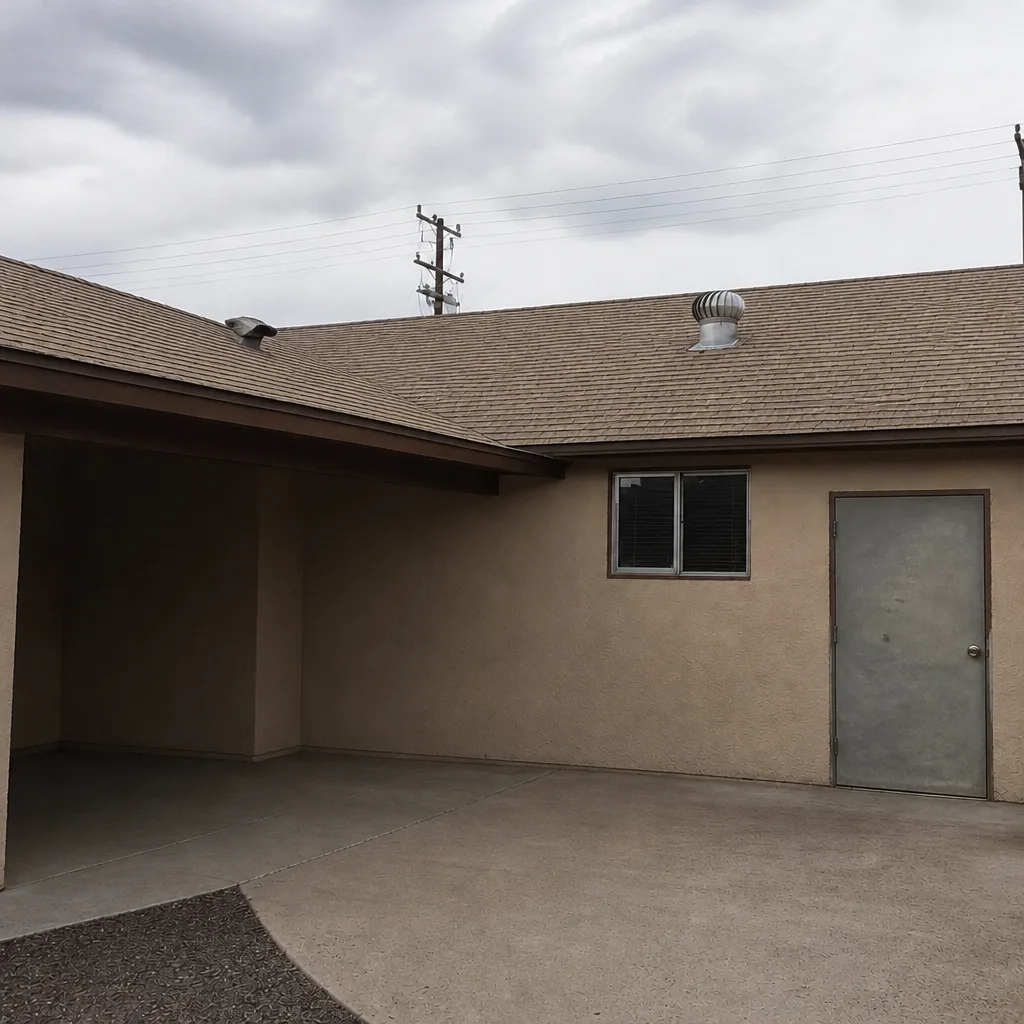 After
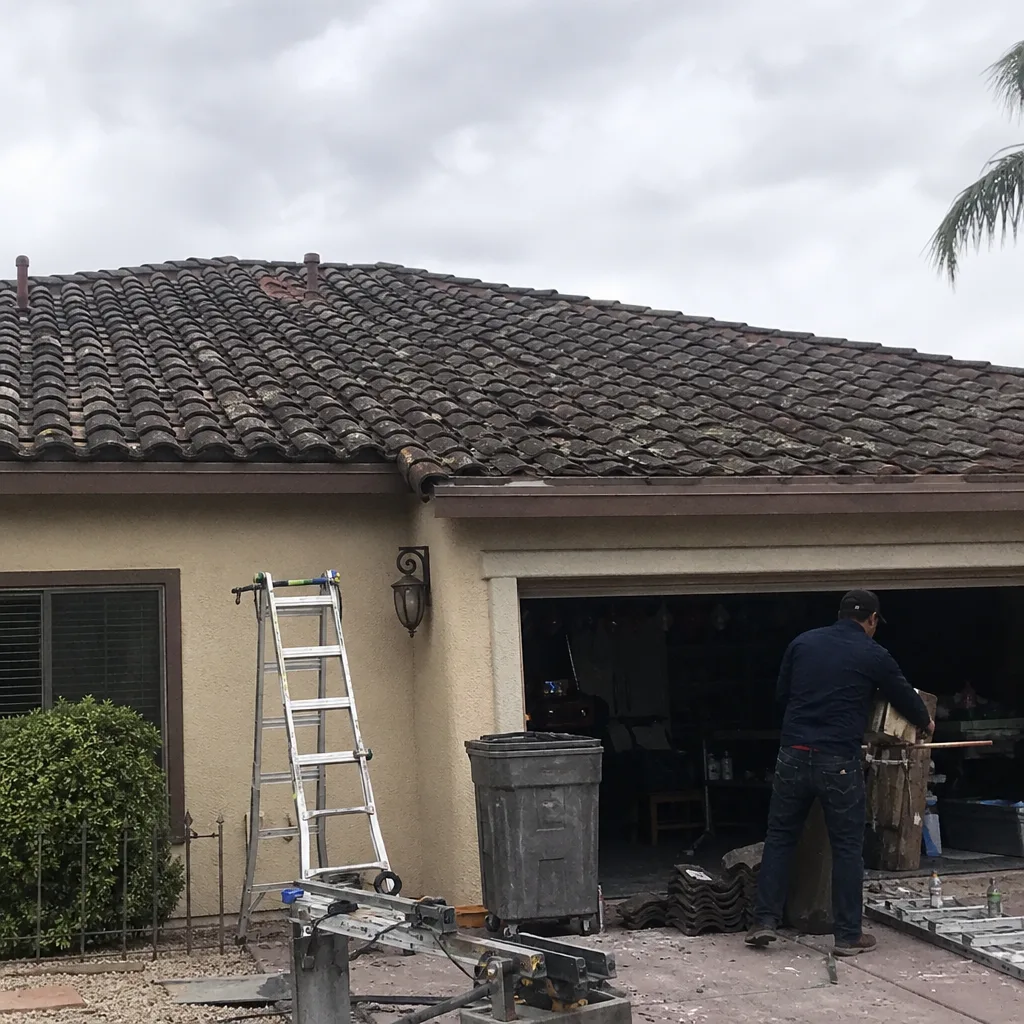 Before
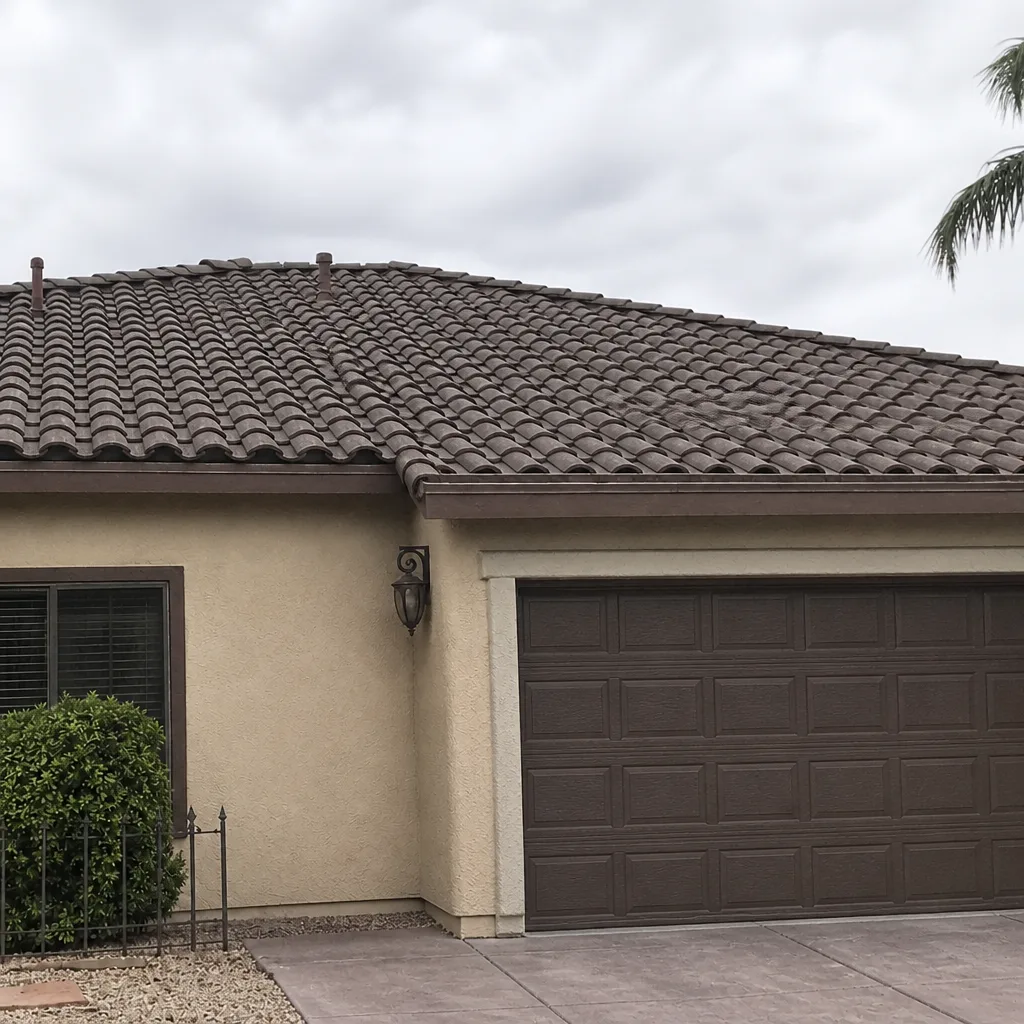 After
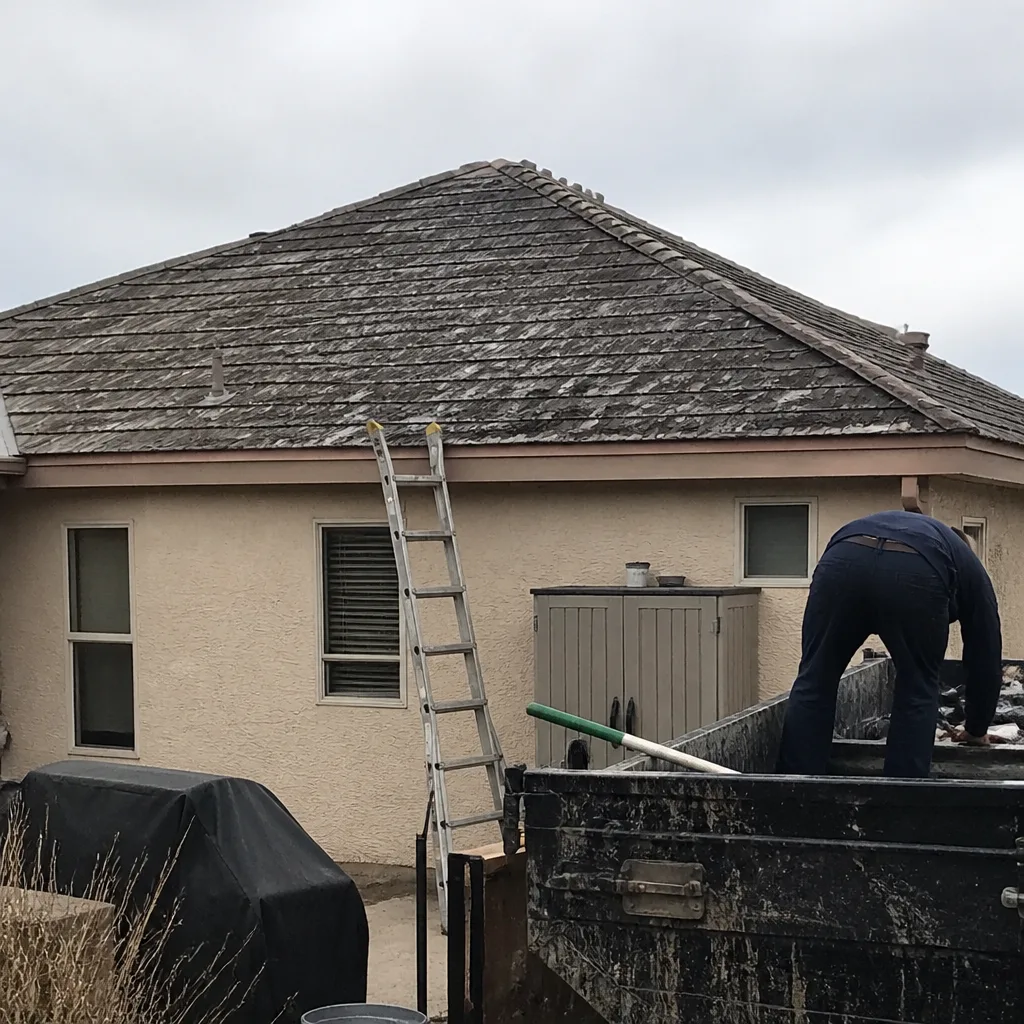 Before
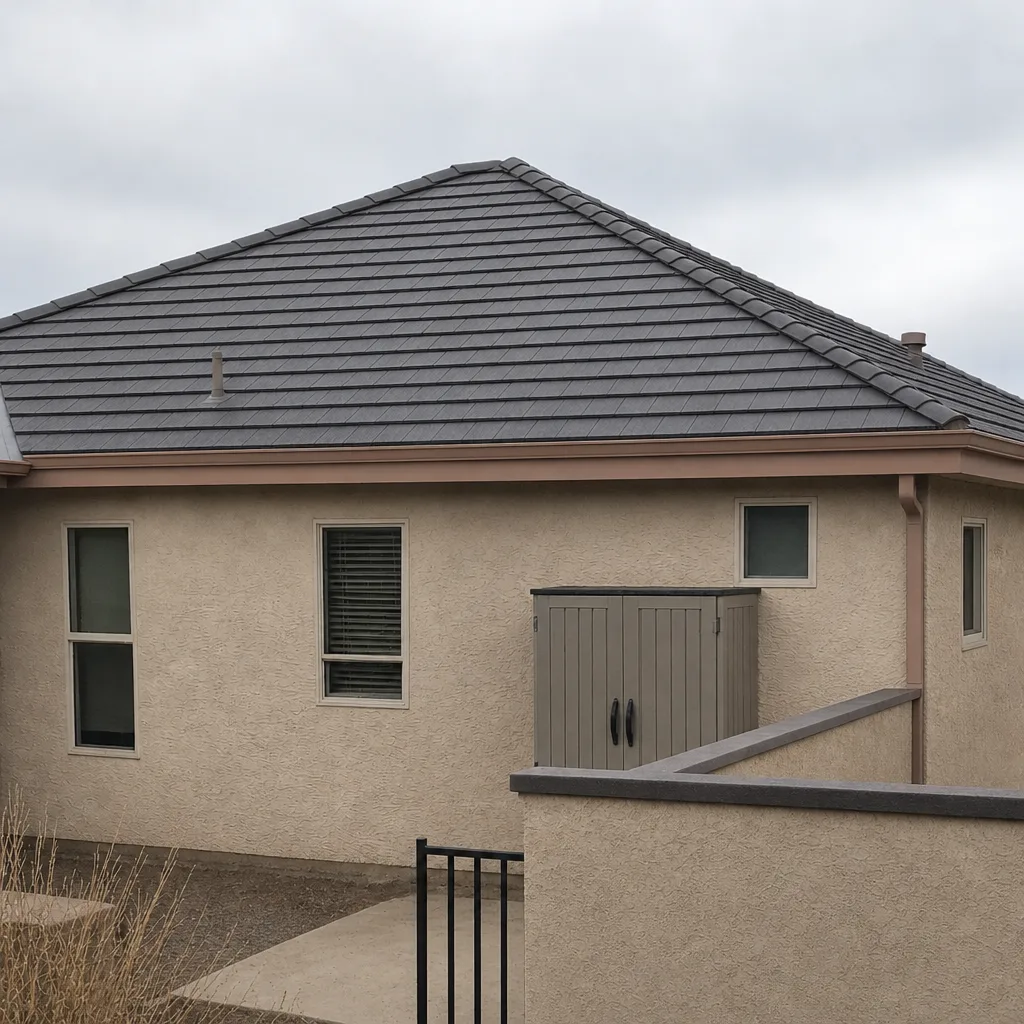 After