
Last updated November 17, 2026
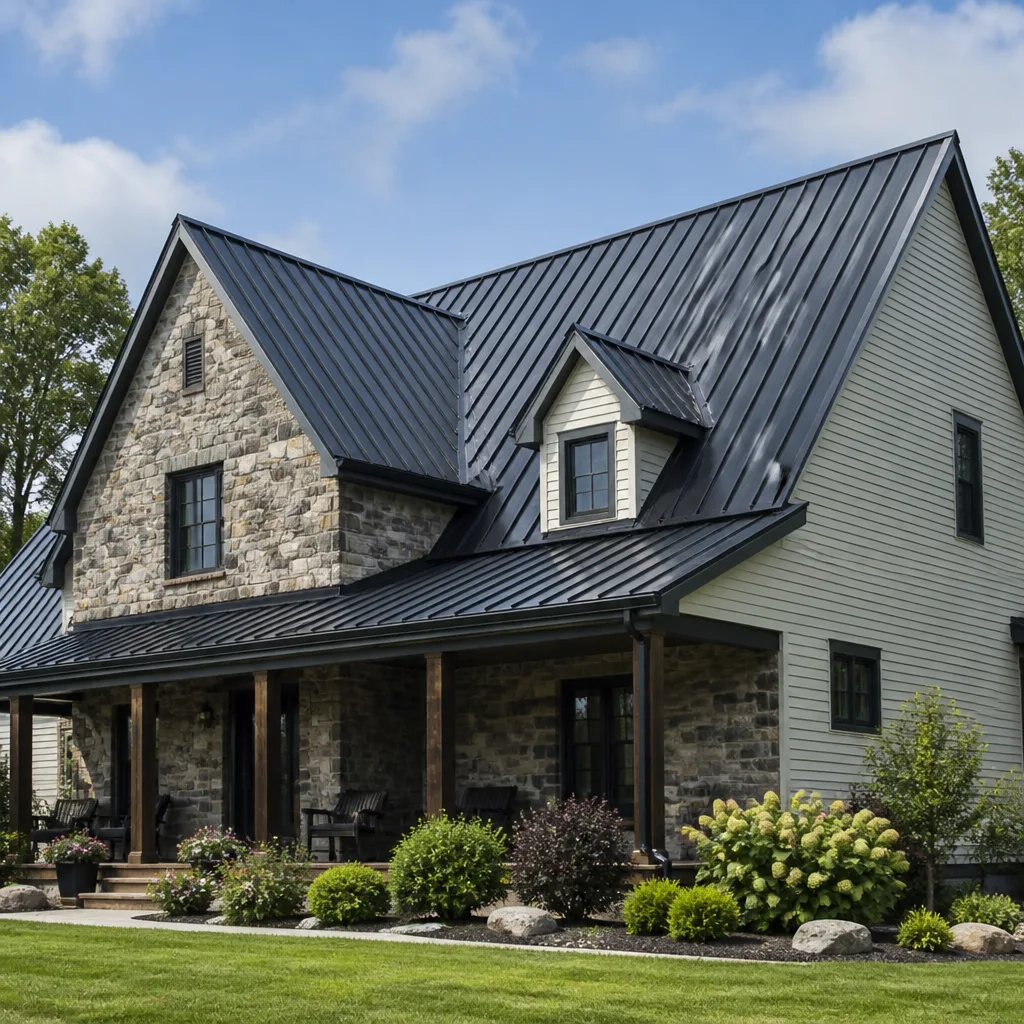 Metal roofing
 Architectural shingles
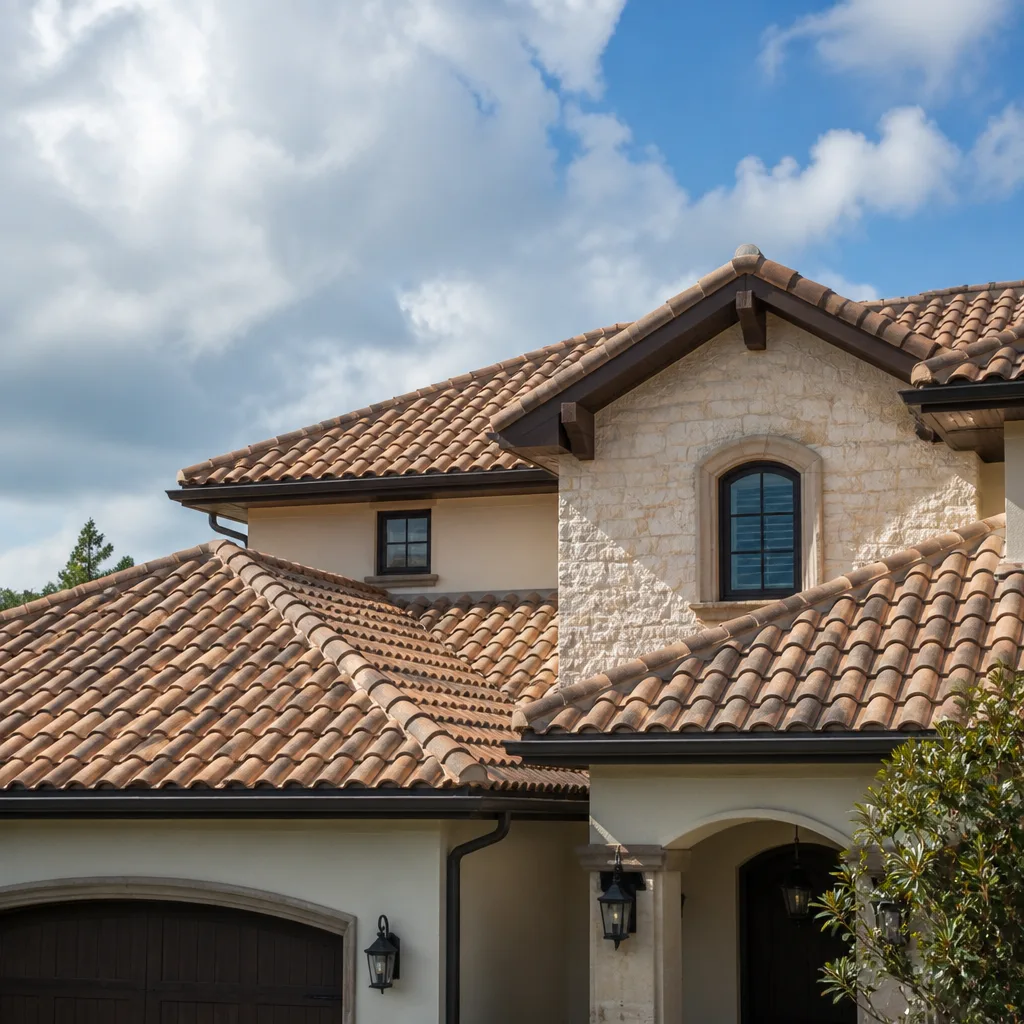 Tile roofing
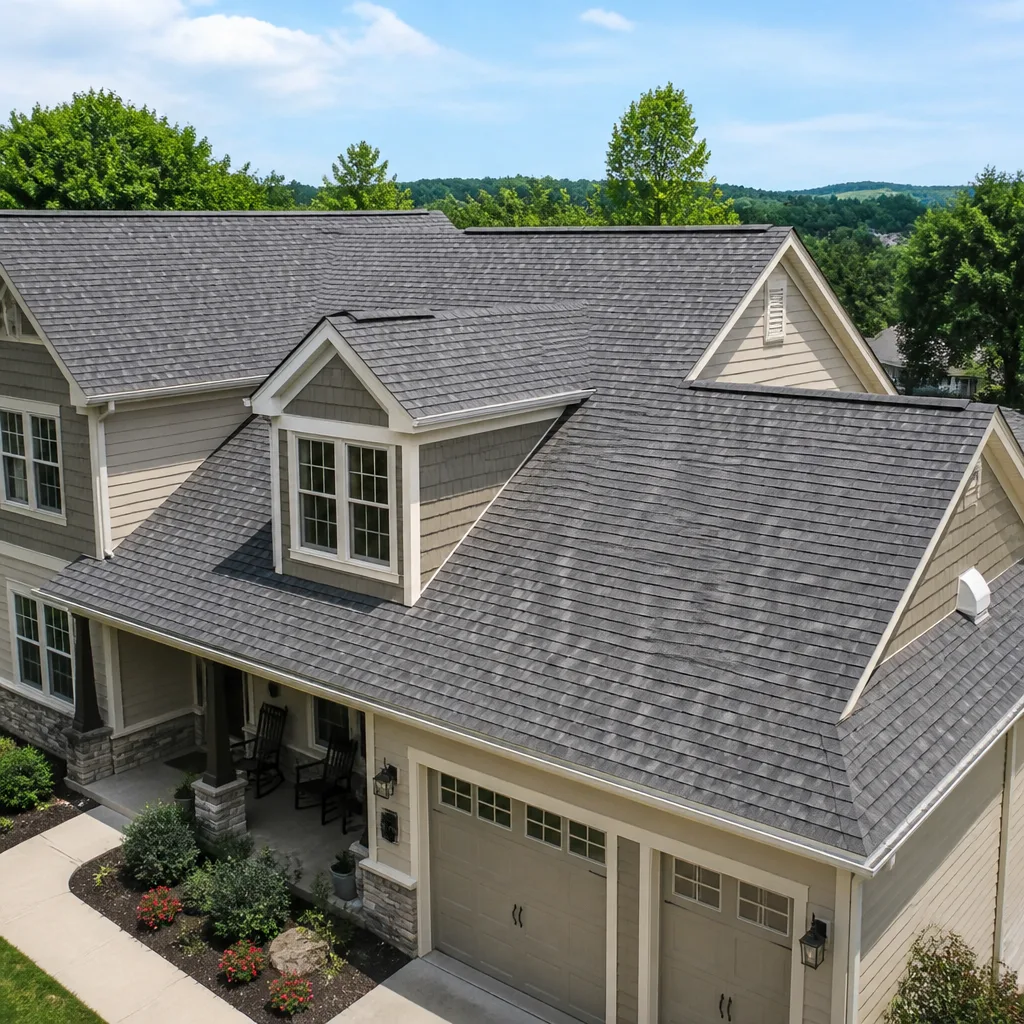 GAF
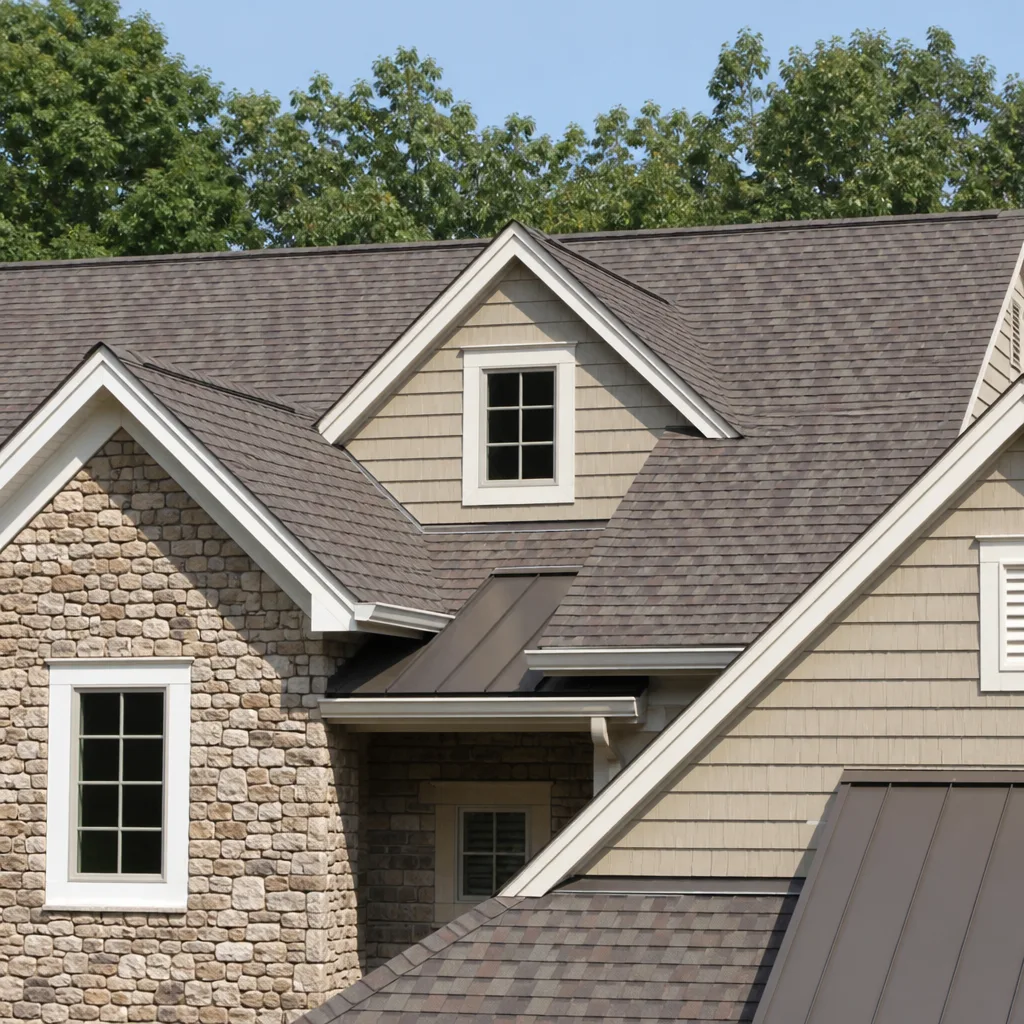 Owens Corning
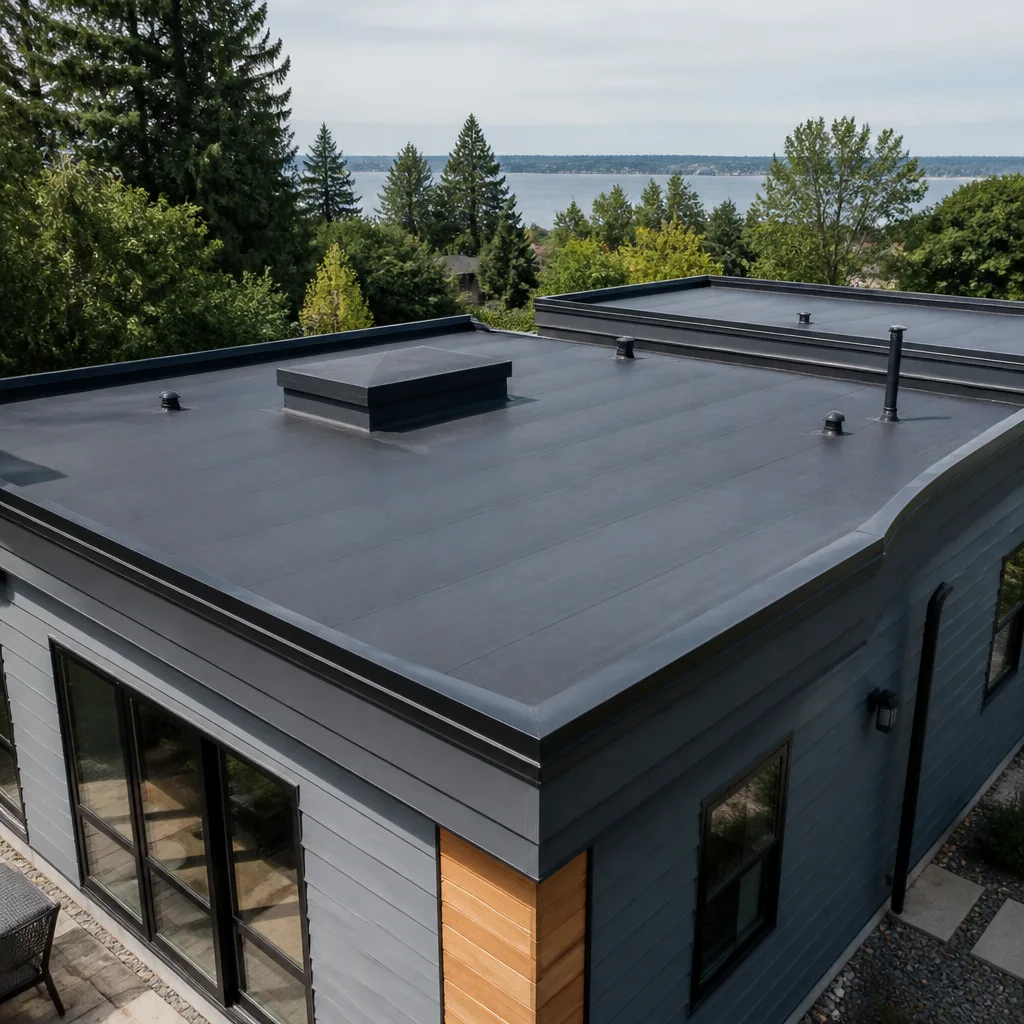 Flat & low-slope
Free roof inspection with deck photos before we talk money - GAF and Owens Corning certified installation
DIY vs Professional Roofing: The Boulder City Homeowner’s Decision Guide
Most roofing advice you’ll find online was written for a mild climate, and it’s quietly wrong for Boulder City. In a moderate climate, an improperly installed boot flashing might take three years to fail. The same installation error under sustained 110°F heat and relentless UV can fail in a single monsoon season. That’s the whole argument in one line: the desert doesn’t just make roofing harder on your body, it makes the consequences of a bad install arrive much sooner. This guide sorts the genuinely low-risk tasks from the ones that can void a warranty or put you on a hot roof in dangerous conditions, so you can decide what to do yourself and what to hand to a professional.
Quick Answer
In Boulder City, the only genuinely low-risk DIY roofing tasks are ground-level visual inspections, gutter clearing, and applying elastomeric coating to small flat sections. Anything involving the roof surface, flashing, underlayment, tile, or metal is a professional job – the heat makes the work dangerous, installation errors fail fast, and manufacturer warranties often require certified installers. For anything beyond a visual check, a free estimate from a specialist will usually save you money and protect your warranty.
Styles & brands we work with
- Architectural shingles
- Metal roofing
- Tile roofing
- GAF
- Owens Corning
- Flat & low-slope
Table of Contents
- Why Boulder City Roofing Obeys Different Rules
- What’s Genuinely Safe to Do Yourself in Boulder City
- Which Jobs Void a Manufacturer Warranty
- The Heat Reality: 170°F Roof Surfaces
- The Permit Trigger Most Homeowners Miss
- How to Be an Informed DIY-Adjacent Homeowner
- When It’s Time to Bring in a Professional
- Repair or Replace? Reading the Signs
Why Boulder City Roofing Obeys Different Rules
A roof in a mild climate has a forgiving margin. Small mistakes get caught before they become big ones because the weather gives materials time to settle, and moisture damage moves slowly. Boulder City doesn’t offer that margin. The combination of extreme summer heat, intense UV exposure, and monsoon-season rain puts materials through a cycle of expansion, baking, and sudden water load that exposes weak points quickly.
That’s not a scare tactic. It’s the physics of the place. Roofing materials expand and contract through a much wider temperature swing across a Boulder City year than they do in most of the country. Sealants that would hold for years elsewhere dry out and crack faster here. Flashing that’s sealed imperfectly gets tested the first time a monsoon pushes water sideways against it. A homeowner who installs something at the edge of correct isn’t getting a slow leak – they’re getting a problem that shows up next season.
We’ve watched this play out often enough that our whole approach to roof repair starts with inspection, not assumptions. The desert doesn’t reward guesswork.
Here’s what that means for the DIY question. In a forgiving climate, a careful homeowner can take on more. In Boulder City, the tolerance for mistakes is thin – so the line between what’s safe to do yourself and what isn’t sits in a different place. The rest of this guide draws that line clearly.
What’s Genuinely Safe to Do Yourself in Boulder City
There are real DIY tasks on a Boulder City roof, and doing them well extends the life of your system. The key word is “genuinely” – not the tasks a YouTube video makes look easy, but the ones that don’t put you on a hot roof surface or risk a warranty. Here’s the honest shortlist:
- Ground-level visual inspection. Walk the perimeter of the house with binoculars and photograph the roof from a distance. Look for lifted or missing shingles, cracked or displaced tiles, rust streaks, and staining on ceilings inside. You can spot a surprising amount without leaving the ground.
- Gutter clearing. Keep gutters and downspouts free of debris so monsoon rain moves off the roof. This is the highest-value maintenance task a homeowner can do, and it’s genuinely safe with a step ladder on flat ground.
- Elastomeric coating on small flat sections. For a flat porch roof, a small patio cover, or a low-slope section, an elastomeric reflective coating is a manageable DIY project. Look for a 100% acrylic elastomeric product rated for exterior flat-roof use, with UV resistance spelled out on the label, and apply it to a clean, dry surface with a roller or sprayer. These coatings reflect heat and can extend the life of a flat section.
- Interior leak tracking. When water stains appear on a ceiling, note the location, photograph it, and trace it against the roofline above. That documentation is gold when a technician arrives.
What stays off the list: climbing onto a pitched roof to replace shingles or tiles, re-sealing or replacing flashing, pulling up and reinstalling underlayment, and anything involving membrane or metal work. Those are professional tasks in any climate. In Boulder City, they’re non-negotiable.
Which Jobs Void a Manufacturer Warranty
This is the DIY risk most homeowners underestimate. Manufacturer warranties from brands like CertainTeed and Owens Corning generally require installation by a certified or approved installer for the warranty to remain valid. When a homeowner installs or alters a product without that credential, the manufacturer can decline a claim down the line – even if the product itself was fine and the failure had nothing to do with installation.
Why does this matter more in Boulder City than in other places? Because our most common roof types – tile and metal – are the ones where a full replacement is the most expensive. Tile and metal systems are built to last decades, and a manufacturer’s warranty is a meaningful chunk of their value. Losing it to save a small DIY install cost is a bad trade. In moderate climates, where roofs are cheaper and replaced more often, the stakes are lower. Here they aren’t.
The same logic applies to repairs. If a repair alters a warranted component, a manufacturer may view that as an unauthorized modification. That’s why we work across seven of the industry’s leading roofing brands – GAF, CertainTeed, Owens Corning, IKO, Atlas, Tamko, and Boral. It means we can match the material to your roof rather than force one brand, and we work within each manufacturer’s requirements so the warranty holds. Your roof, your material choice, backed by manufacturer warranties.
When we handle roof replacement, that warranty integrity is part of what you’re paying for – not just the shingles.
The Heat Reality: 170°F Roof Surfaces
Surface temperatures on a Boulder City roof can exceed 170°F in summer. That’s hot enough to cause contact burns and heat illness in a matter of minutes. It’s not a reason to hire a professional – it’s a reason to take the roof surface seriously, and to understand why the professionals work the way they do.
What a 170°F surface means in practice:
- You can’t kneel or sit on it. Roofers work standing or on kneeling boards, and they take breaks. A homeowner who assumes they’ll just “get up there and fix it” is underestimating the conditions.
- Material handling changes. Adhesives, sealants, and some membranes behave differently in high heat. A sealant that sets up correctly in 70°F weather may flash off too fast or fail to bond at 170°F. This is one reason installation errors happen more easily in desert heat – even for people who know the material.
- Fatigue arrives fast. Heat stress reduces alertness, which is exactly when someone slips or makes a careless move.
- Hydration and timing matter. Professionals plan roof work around heat, work in shorter bursts, and watch each other for signs of heat illness. If you decide to do any work up there at all, treat it as a serious physical task, not a weekend chore.
We mention this not to sell you anything, but because a real expert should flag the danger. If a roof task involves heat, height, or both, the math changes. That’s part of why our inspection service is standalone – it lets a homeowner get a clear diagnosis without anyone getting on the roof unprepared. Our technicians have up to 14 years of experience working in these conditions, and that experience is exactly what makes the safety planning possible. If a door fails or a leak appears, call (888) 293-7813. We answer 24/7. Fast dispatch from 7am to 7pm, Sunday through Friday, closed Saturday.
The Permit Trigger Most Homeowners Miss
Here’s the problem that even a genuinely competent DIYer runs into in Boulder City. Any repair or replacement beyond a certain scope requires a permit, and inspectors expect to see professional work behind it. That’s not a Boulder City-specific code section to memorize – permit rules shift, and the details depend on the scope of the job – so the safest move is always to check with the city’s building department before starting. But the pattern is consistent: small repairs may not need a permit, while anything structural – full replacement, reroofing, changes to the decking or framework – generally does.
This creates a catch for the confident DIYer. Suppose you do a larger repair yourself and sell the home later. A buyer’s inspector may flag the work, and a permit records check can reveal work that wasn’t permitted. That can complicate a sale, especially in a market like Boulder City where buyers and their inspectors know what desert roofing should look like. When a permit is pulled and the inspection is passed, the work is documented – and that documentation has real value at sale time.
When we pull permits and pass inspections, part of what we’re doing is protecting your ability to sell the home without surprises. If you’re unsure whether your project needs a permit, ask before you buy materials. The building department will tell you. And if the answer is yes, that’s your cue to bring in a licensed, insured professional.
How to Be an Informed DIY-Adjacent Homeowner
The homeowners who get the best outcomes aren’t the ones who do the most themselves – they’re the ones who show up prepared. You don’t have to climb the roof to be informed. You have to know how to look, what to record, and how to describe what you’re seeing. Here’s a step-by-step method we’d suggest to any homeowner in Boulder City:
- Walk the perimeter with binoculars. Do this twice a year, and again after any monsoon storm. Look for missing or lifted shingles, cracked or slipped tiles, rust, and sagging sections.
- Look inside. Check ceilings and attic spaces for staining, dampness, or daylight showing through. Photograph anything you find, with the date.
- Document. Take photos of the roof from the ground and of any interior issue. Note the location of each problem on a simple hand-drawn map of the house. This is the single most useful thing you can do before a technician arrives.
- Describe the symptom, not the diagnosis. Instead of “I need my flashing replaced,” tell a professional “there’s a stain spreading on the ceiling in the back bedroom, and it gets worse after rain.” The second description lets a technician find the real cause, which may not be where you think it is.
- Ask for the scope in writing. When you call for a free estimate, ask what’s included, what’s not, and whether permits are needed. A written line-item quote protects you and gives you a clear basis for comparison.
That last step is why we offer a standalone roof inspection rather than treating inspection as a sales tool. Homeowners preparing to sell, buyers checking a system before closing, and anyone who wants a straight answer about system health all deserve an independent diagnostic – not a number thrown at them from the driveway. We inspect first, then recommend. No assumptions, no upsell.
When It’s Time to Bring in a Professional
Some jobs have a clear professional answer. Here’s when you should stop researching and start calling:
- Any active leak. Water damage spreads fast in a monsoon climate. A leak you can see is usually a leak you can’t fully see yet.
- Flashing work. This is the most common source of leaks, and it’s a precision job that fails fast in the desert heat.
- Tile and metal roof work. These are the most expensive systems to replace in Boulder City, and the ones most likely to have warranty requirements. Get them handled by a professional.
- Any job that needs a permit. See the section above.
- Anything above a flat, low, accessible section. If the roof surface is pitched, or you can’t reach it from a secure ladder on flat ground, it’s not a DIY job.
- When you’re selling or buying. An independent inspection is worth it, and documented professional work is easier to stand behind at closing.
Roofing Boulder City offers free estimates in Boulder City, and our three core services are repair, replacement, and inspection. Roofing is all we do, so we can tell you which one your roof actually needs. For a look at our full service menu, see Roofing Boulder City. If you’re weighing nearby options, we also serve homeowners across the Boulder City area.
Repair or Replace? Reading the Signs
This is the question that usually sits under the DIY question. A homeowner is deciding between a small DIY fix, a professional repair, or a full replacement – and the wrong choice in a Boulder City climate gets expensive fast. Here’s how to think about it.
Repair is usually right when the problem is localized and the roof itself has life left. Lifted shingles, a small damaged section, a single failed component – those are repair jobs. The key is getting a diagnosis you trust, because repairing the wrong spot wastes money and risks more damage.
Replacement is usually right when the roof is near the end of its expected life, when problems are showing up in multiple places, or when the cost of repeated repairs starts climbing toward the cost of a new roof. On tile and metal roofs – the most common in Boulder City – replacement is a bigger investment, which is why warranty integrity and proper permits matter so much.
Inspection is right when you’re not sure. If you can’t tell from the ground whether you’re looking at a repair or a replacement, that’s not a decision to guess at. An inspection gives you a clear picture, and then the repair-or-replace decision is grounded in facts rather than worry.
We work across budget tiers so a homeowner can choose the material that fits the roof and the budget – entry-level IKO or Tamko up to premium CertainTeed or GAF – and every option is backed by manufacturer warranties. That range is the point: you shouldn’t have to take one brand or leave it.
Common Mistakes to Avoid
- Climbing onto a pitched roof in summer heat. Surface temps over 170°F plus fatigue is a dangerous combination. Do your visual inspection from the ground.
- Applying a sealant “just to hold” a flashing. A quick sealant fix in desert heat often dries, cracks, and fails faster than doing nothing. Flashing work is a professional job.
- Installing a warranted product without a certified installer. You can lose the manufacturer warranty even when the install looks fine. Check the warranty terms before buying.
- Doing a larger repair without a permit. It can complicate a future sale. Ask the city’s building department first, and get it in writing.
- Diagnosing the problem yourself. The stain on your ceiling is a symptom, not a location. Let a professional trace the actual cause.
- Treating inspection as a sales call. A good inspection is a diagnostic. If the only option you’re offered is a replacement, get a second opinion.
- Ignoring monsoon-season signs. Damage that starts in the monsoon spreads through the dry season. Get small problems looked at before they grow.
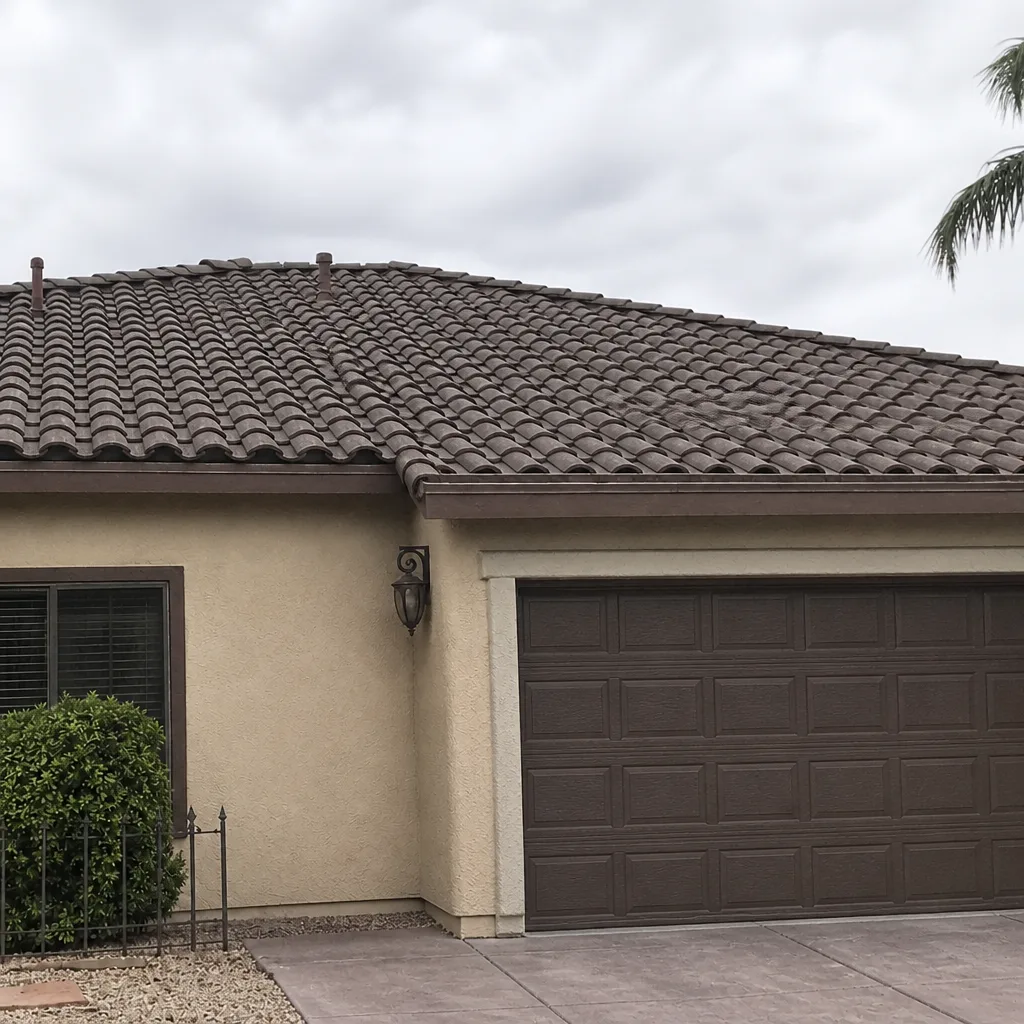
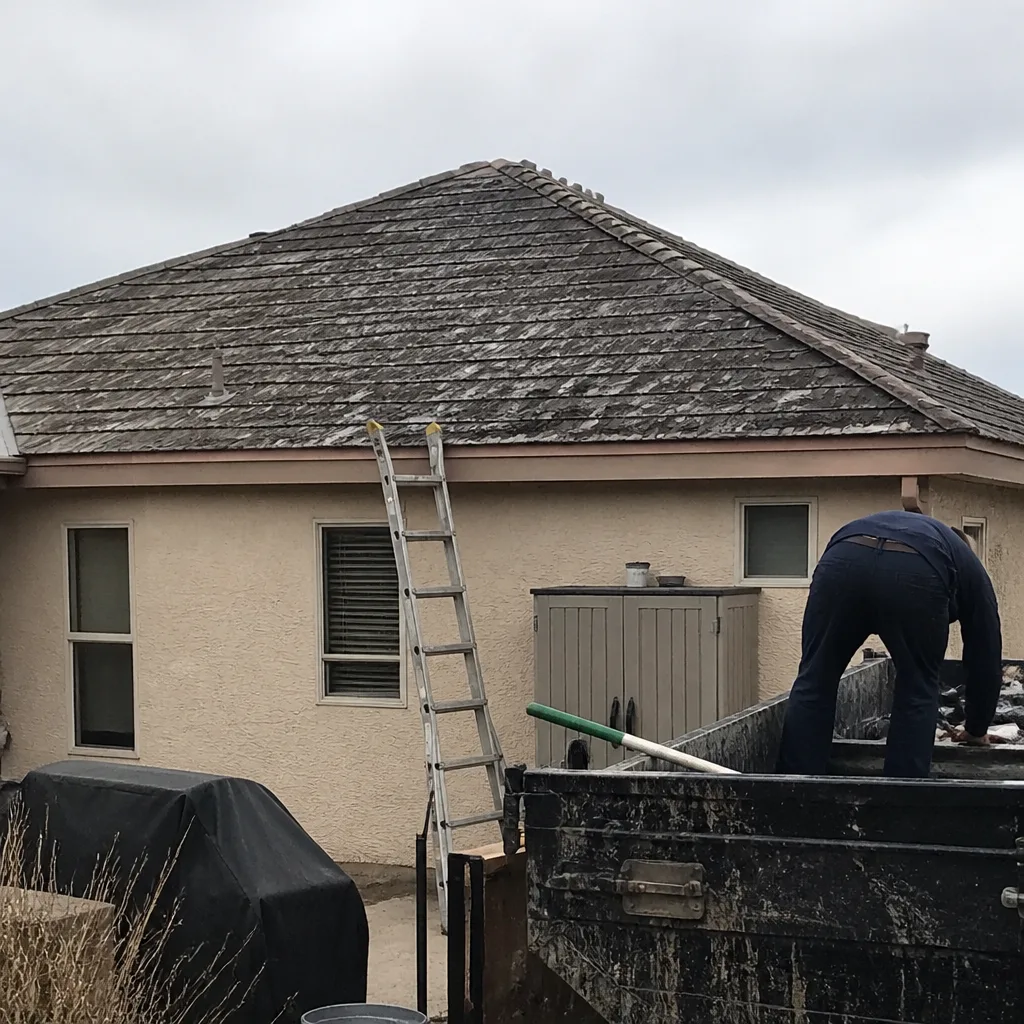
See the difference
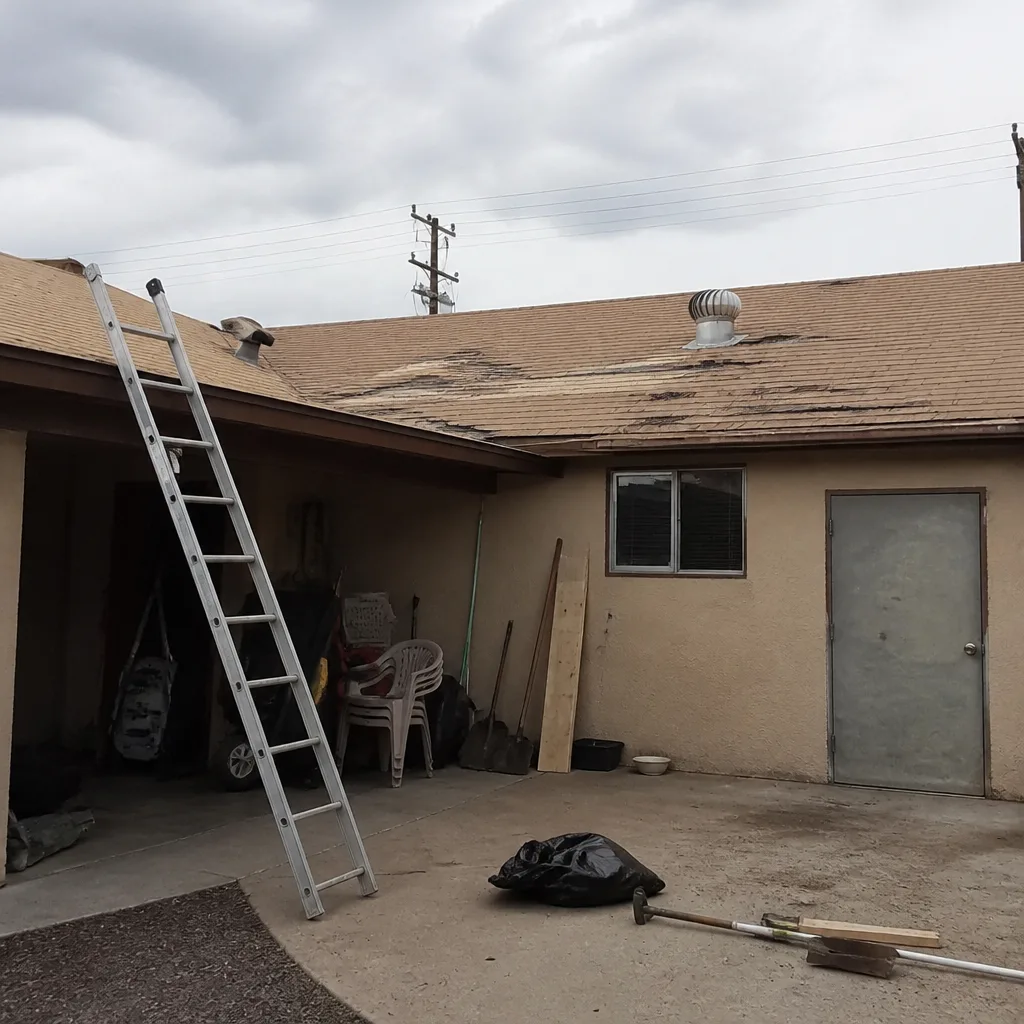 Before
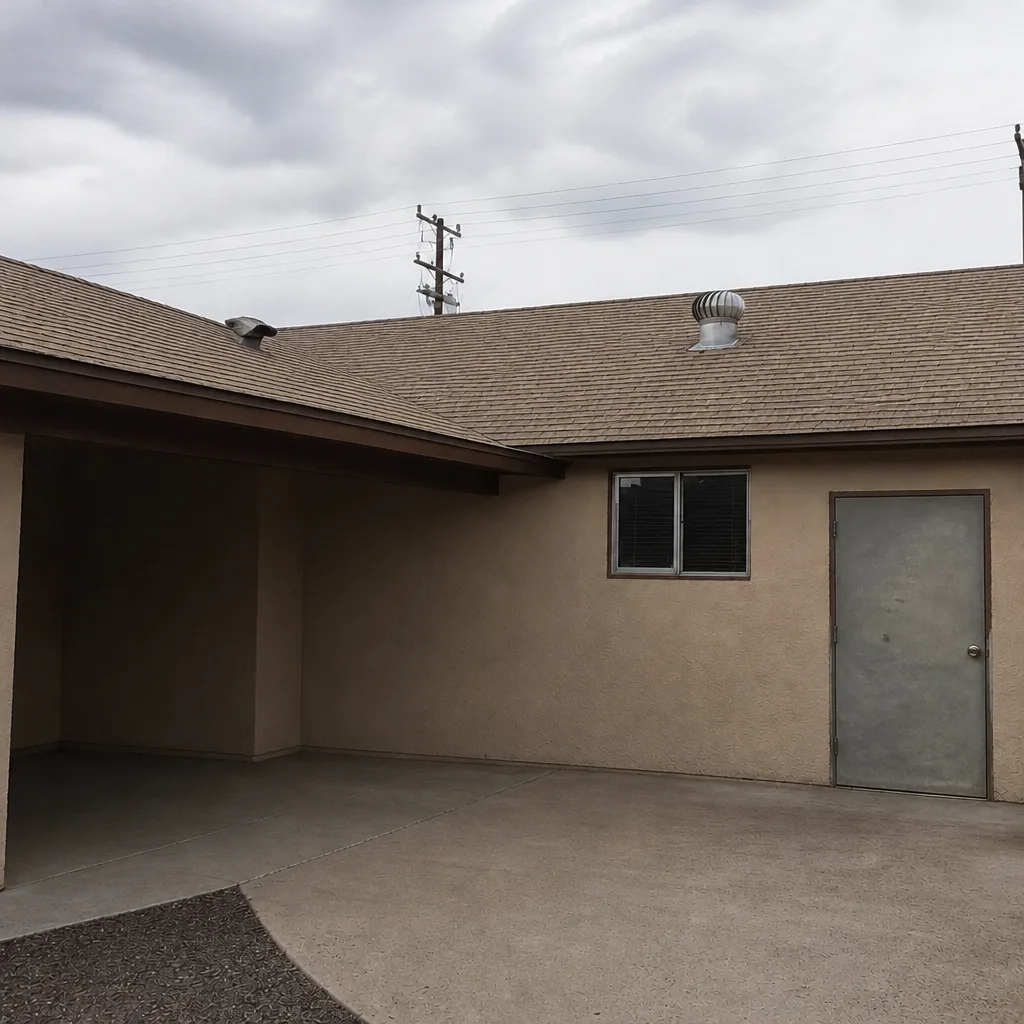 After
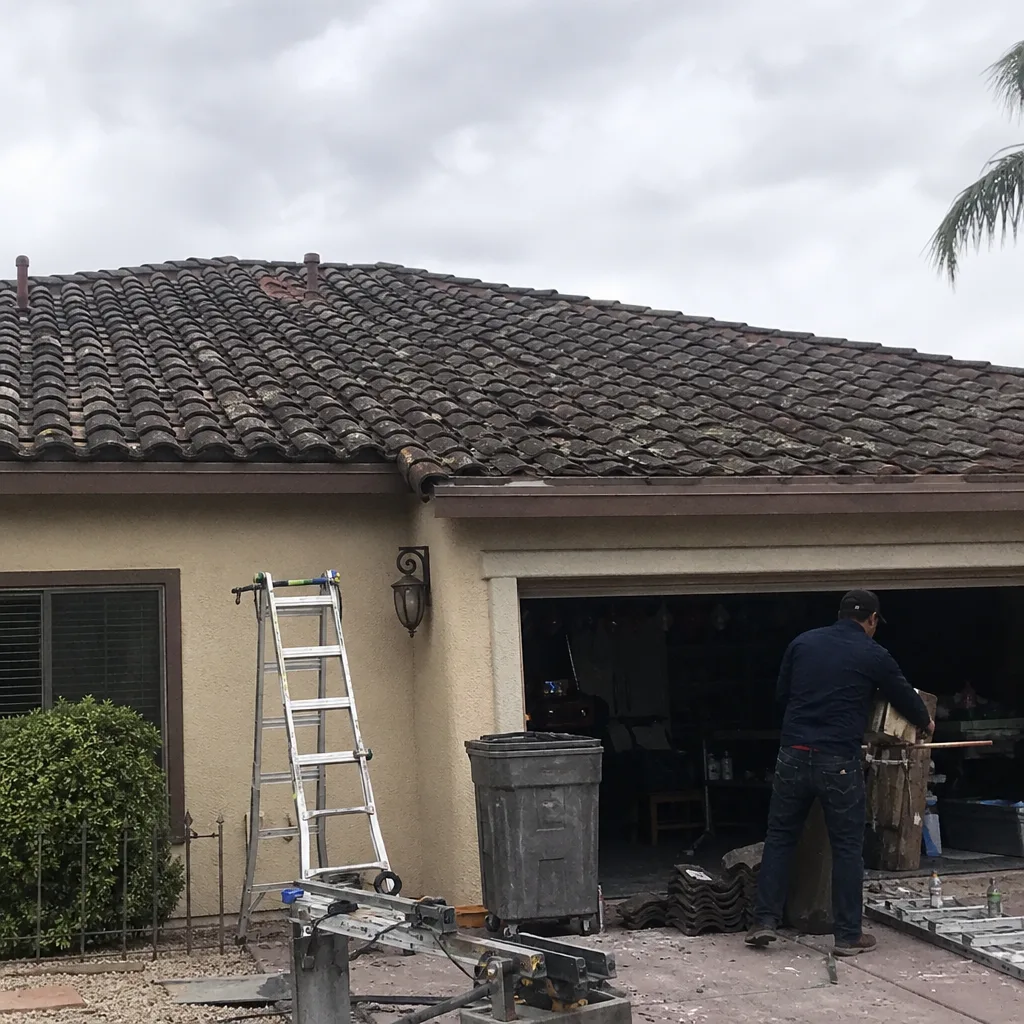 Before
 After
 Before
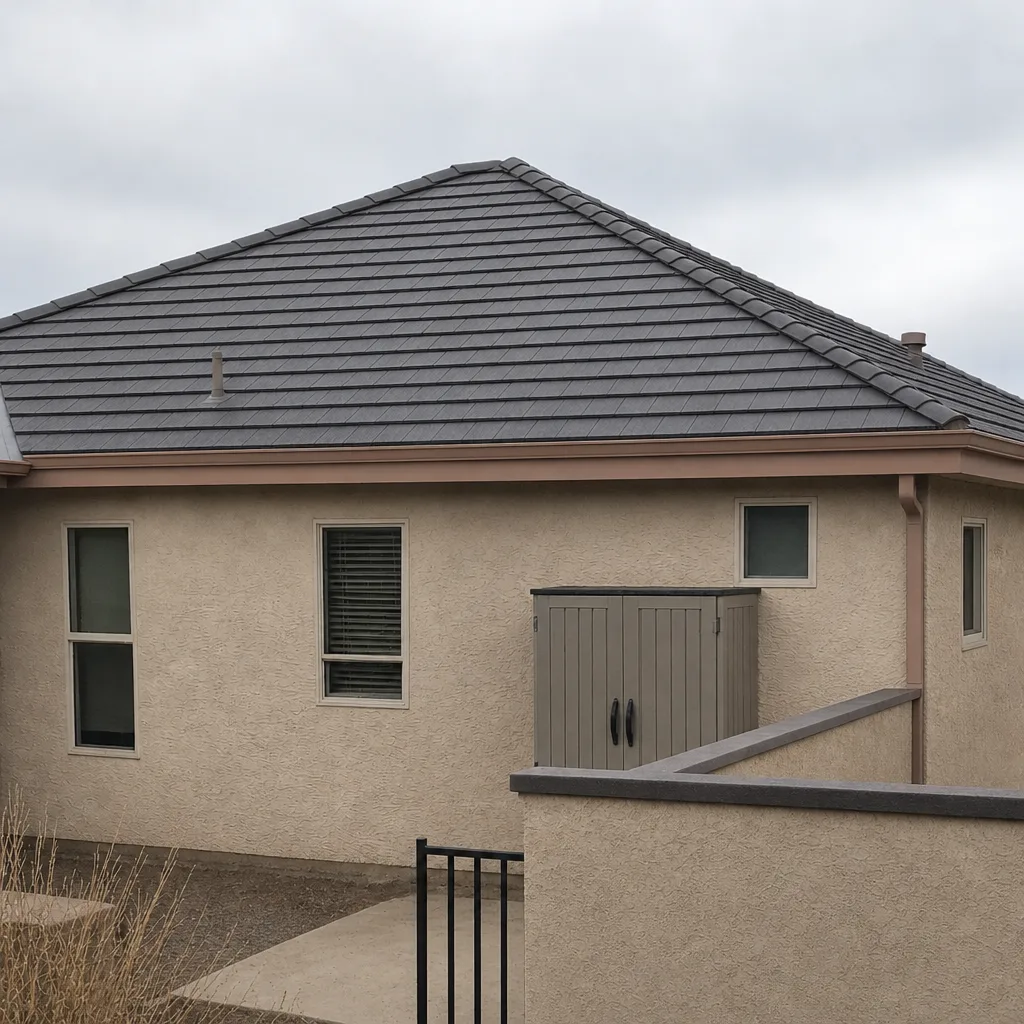 After
When to Call a Professional
If any of the following is true, the DIY question is settled: you have an active leak, the job involves flashing, tile, or metal, the work needs a permit, the roof surface is pitched or hard to reach, or you’re buying or selling the home. In each of those cases a trained professional is the safe and cost-effective choice. Roofing Boulder City offers free estimates in Boulder City – call (888) 293-7813. We answer 24/7. Fast dispatch from 7am to 7pm, Sunday through Friday, closed Saturday. We inspect first, then recommend, and the written estimate sets the final price.
Frequently Asked Questions
Only for tasks that keep you off the roof surface or on a low, flat, safe section: gutter clearing, ground-level visual inspections, and elastomeric coating on small flat areas. Anything involving the pitched roof, flashing, tile, metal, or underlayment is not safe to do yourself in Boulder City’s heat, and those jobs are where professional work protects both your safety and your warranty. Call (888) 293-7813 for a free estimate – estimates are free.
In many cases, yes. Manufacturer warranties from brands like GAF, CertainTeed, and Owens Corning generally require installation by a certified or approved professional for the warranty to remain valid. In Boulder City that matters more because tile and metal roofs – the ones with the highest replacement cost – are the systems most likely to carry a meaningful warranty. Ask before you buy materials, and call (888) 293-7813 if you want the warranty requirements confirmed for your specific product.
Surface temperatures can exceed 170°F in summer. That’s hot enough to cause contact burns and heat illness quickly, and it changes how sealants and adhesives behave during installation. It’s the main reason professional roof work is planned around heat and why a homeowner should not spend extended time on the roof surface. Call (888) 293-7813 for a free estimate.
It depends on the scope. Small repairs may not require a permit, while anything structural – full replacement, reroofing, changes to decking or framing – generally does. Permit rules can change, so check with the city’s building department before starting. When we pull permits and pass inspections, the work is documented, which helps at sale time. Call (888) 293-7813 to ask what your project needs.
Localized damage with a roof that still has life left points to repair. Problems in multiple places, a roof near the end of its expected life, or repair costs climbing toward replacement cost point to replacement. When you’re not sure, an independent inspection settles it. Roofing Boulder City offers standalone inspections so you get a diagnosis before a recommendation – call (888) 293-7813 to schedule one.
Yes. Estimates are free, and the price is set per job by the written estimate – no change orders. We match the material to your roof from seven of the industry’s leading brands, so you choose what fits your roof and your budget. Call (888) 293-7813. We answer 24/7. Fast dispatch from 7am to 7pm, Sunday through Friday, closed Saturday.
The Bottom Line
In Boulder City, the DIY-vs-professional question has an answer that’s shaped by the desert itself. The heat that makes roofing dangerous also makes installation errors fail fast, so the tolerance for mistakes is much thinner here than in a moderate climate. That doesn’t mean you can’t be hands-on: ground-level inspections, gutter clearing, and small flat-section coating are genuinely safe and genuinely useful. What it means is that anything involving the roof surface, flashing, tile, metal, or a permit belongs in professional hands – both for your safety and to keep your manufacturer warranty intact. If you’re not sure which side of that line your project falls on, an independent inspection will tell you. Call (888) 293-7813 for a free estimate.
Written by the team at Roofing Boulder City.