
Last updated November 17, 2026
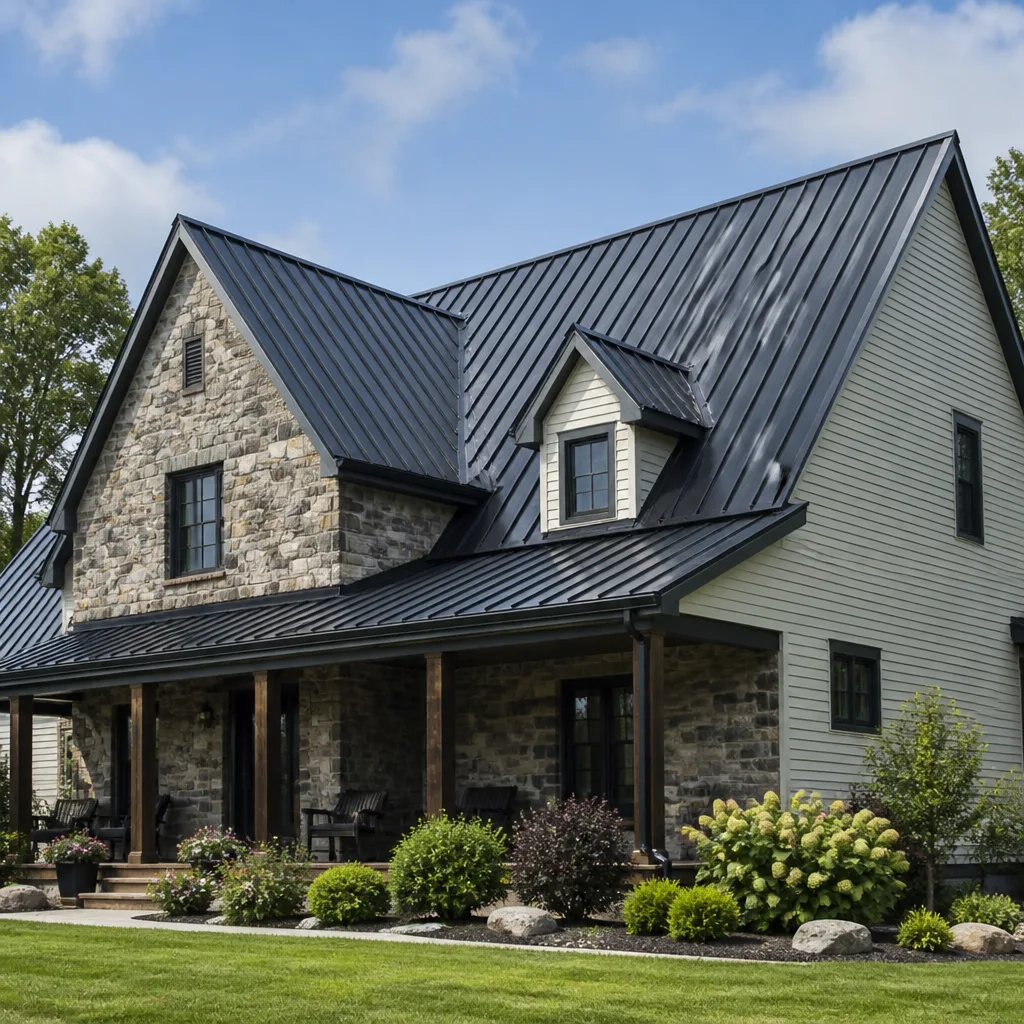 Metal roofing
 Architectural shingles
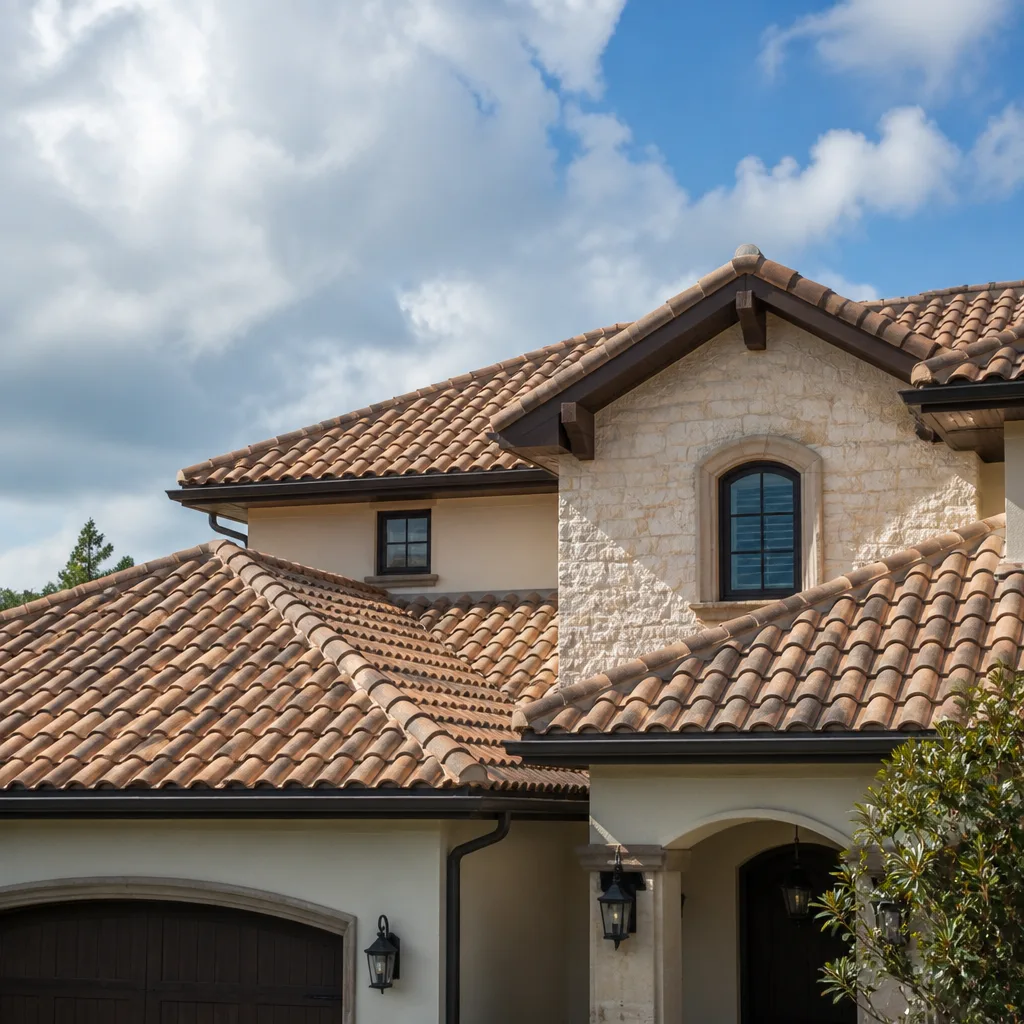 Tile roofing
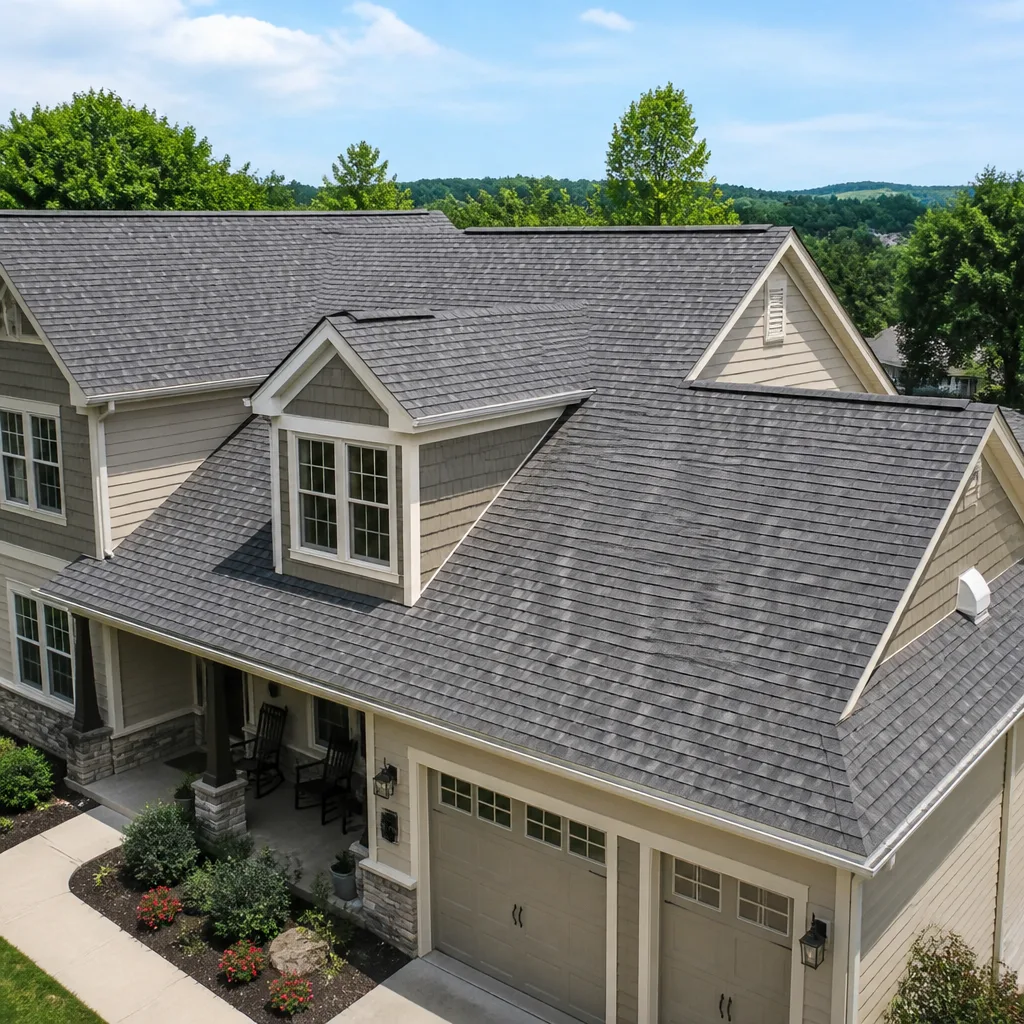 GAF
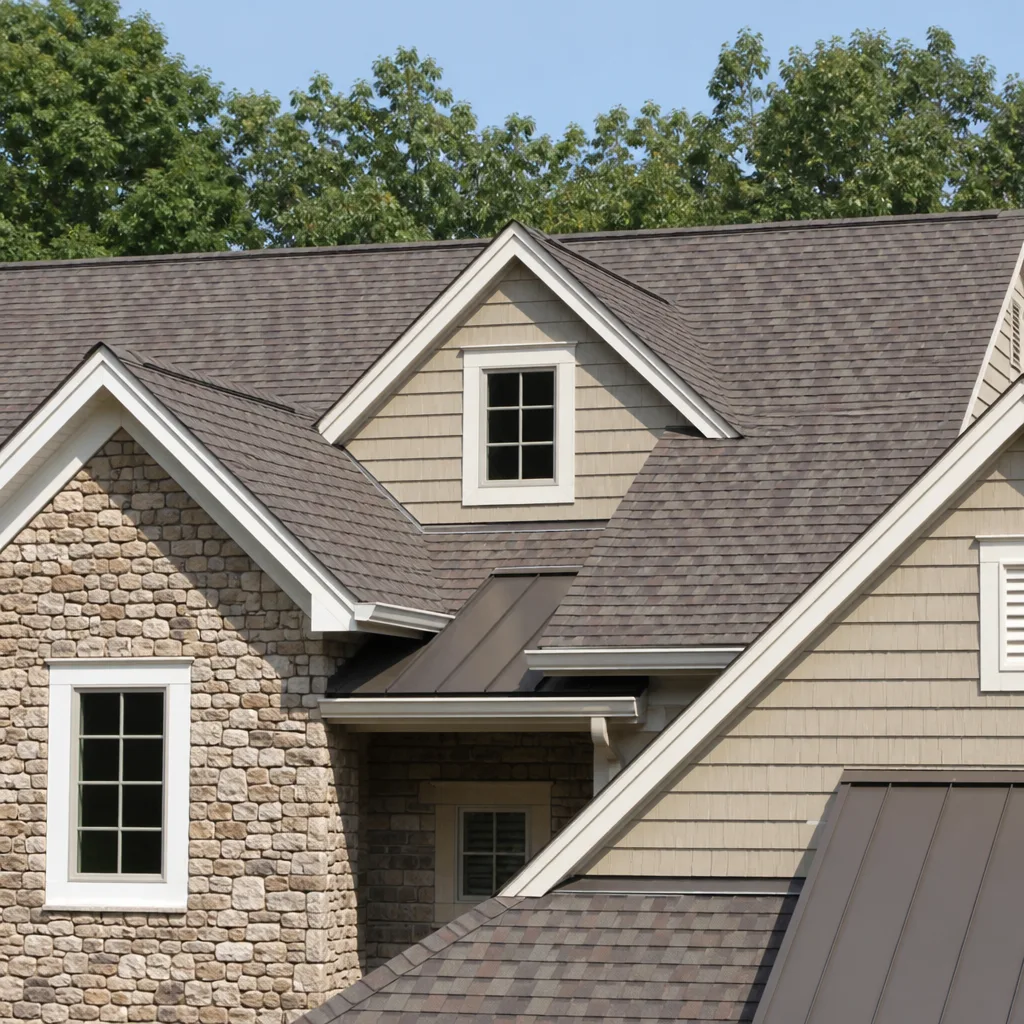 Owens Corning
 Flat & low-slope
Free roof inspection with deck photos before we talk money - GAF and Owens Corning certified installation
Roofing Permits, Codes & Inspections in Boulder City, NV: What You Need to Know
Here’s the misconception that trips up more homeowners than any other: that Boulder City runs on the same building department as the rest of Clark County. It doesn’t. Boulder City is one of the few municipalities in Nevada with its own independent building authority, its own permit process, and its own inspection schedule. A contractor who says “I know the county process” may be telling the truth about Las Vegas, Henderson, or North Las Vegas, and still be wrong about what your roof in Boulder City requires. That gap between “county standard” and “Boulder City standard” is where projects stall and paperwork goes sideways. This guide covers what actually triggers a permit here, what inspectors look for, how the historic district adds a second approval layer, and how to verify your contractor is pulling permits in your name, not theirs.
Quick Answer
In Boulder City, NV, most roofing projects that change the roof covering, structure, or sheathing require a building permit through the city’s own building department, not Clark County’s. Minor repairs to a small area of an existing roof often don’t require one, but the threshold depends on scope and whether the work touches structural members. Properties inside the historic district may also need approval under the city’s Historic Preservation Ordinance before a permit is issued. Always confirm with the city’s building department before work begins.
Styles & brands we work with
- Architectural shingles
- Metal roofing
- Tile roofing
- GAF
- Owens Corning
- Flat & low-slope
Table of Contents
- Why Boulder City Has Its Own Building Department
- Which Roof Repairs Require a Permit (and Which Don’t)
- The Historic Preservation Ordinance: A Second Approval Track
- What Boulder City Inspectors Actually Check
- What Happens If the Work Was Never Permitted
- How to Confirm Permits Are Pulled in Your Name
- How Boulder City’s Climate Shapes Roofing Code
- How Long Permits and Inspections Take
Why Boulder City Has Its Own Building Department
Boulder City incorporated in 1960 and, unlike the unincorporated towns that sit under Clark County’s jurisdiction, it maintains its own municipal building authority. That’s not a technicality. It means permit applications in Boulder City go to a different office, are reviewed by a different set of plan examiners, and are inspected by a different roster of inspectors than a project in nearby Henderson or the Las Vegas valley. The city also has a substantially smaller review staff than the county, which affects turnaround times.
For homeowners, the practical impact shows up in three places:
- Different paperwork. Boulder City has its own permit application forms and its own submittal requirements. A county permit packet won’t fit.
- Different interpretations. Code language may be adopted from the same model codes, but local amendments and examiner interpretation can differ. What passes in Las Vegas may need clarification here.
- Different scheduling. Inspections are handled by city staff, so availability depends on that department’s calendar, not the county’s.
We’ve seen this play out in our market outreach across Boulder City: a contractor who primarily works the valley assumes the process is identical and finds out mid-project that his submittal was incomplete, pushing the inspection schedule back. When you’re interviewing roofers, ask specifically whether they’ve pulled permits from the City of Boulder City’s building department, not just from Clark County. That one question filters out a lot of assumptions. Roofing is all we do, so we’ve learned where the local wrinkles are, and most of them trace straight back to the fact that this city runs its own show.
Which Roof Repairs Require a Permit (and Which Don’t)
This is the question we field most often. The honest answer: the threshold is scope-based, not a single number, and it depends on what the work touches. Very generally, a small repair that replaces a handful of damaged shingles or reseals a flashing detail in the same footprint usually doesn’t trigger a permit. Once the work expands into a large section of roof, changes the roofing material, replaces sheathing or underlayment across a widespread area, or alters roof framing, a permit is typically required. Exact square-footage thresholds and exemptions must be confirmed with Boulder City’s building department, because local adoption and interpretation decide the line.
Here’s a practical way to think about it, in the order most homeowners encounter it:
- Identify the scope. Is it a spot repair (flashing, a few tiles, a seal cap) or a section replacement involving decking and underlayment?
- Ask whether the material changes. Swapping asphalt shingles for tile or Boral steel, or changing the profile class, generally pulls the project into permit territory.
- Ask whether structure is involved. Replacing or sistering rafters, adding purlins, or addressing sag from water damage almost always requires a permit and sometimes structural review.
- Check the historic overlay. Even a repair that would otherwise be exempt may need historic district approval if the visible material or color changes.
- Confirm with the city. One call to the building department settles it. Don’t let a contractor tell you “we don’t need one” without that confirmation.
Full replacement is a clear-cut permit project in Boulder City, no ambiguity. That’s the conversation in our roof replacement work: the permit is part of the job, not an optional add-on. Any contractor who suggests skipping the permit to save time is a warning sign, not a bargain.
The Historic Preservation Ordinance: A Second Approval Track
Boulder City has a Historic Preservation Ordinance that establishes a separate review process for properties within the historic district. This is the part of the process that catches out-of-town roofers cold. A standard building permit is only half of the approval; if your property falls inside the district overlay, changes to the roof’s visible character, including material type, profile, and sometimes color, can require historic review before the building permit is issued.
Where this bites hardest is on replacement projects. A homeowner might want the most durable option their budget allows, like a CertainTeed or GAF product in a specific profile. If the property is in the historic district, the visible roof could need to match or be compatible with original materials and character. That doesn’t mean you can’t use modern products. It means the choice may need sign-off from the historic review body first. Getting that approval after the shingles are already ordered is expensive.
The right sequence for a historic district roof project in Boulder City looks like this:
- Confirm whether your property sits inside the historic district overlay with the city.
- If it does, submit for historic review before or alongside the building permit, not after.
- Get material selection approved in writing before ordering (GAF, CertainTeed, Owens Corning, and IKO all offer profiles that meet a range of character requirements, but the choice has to be cleared).
- Then pull the building permit and schedule construction.
For a property that’s also for sale, this is why we support a standalone roofing inspection before the roof replacement conversation even starts, so buyers and sellers know what’s feasible under the historic rules before negotiating. Historic district work in Boulder City is a planning task as much as a roofing task, and treating it that way saves weeks.
What Boulder City Inspectors Actually Check
Inspection is where generic advice fails. Inspectors in Boulder City are focused on workmanship details that affect weather-tightness and structural integrity, not just paperwork. Based on what we see across our projects, the priorities cluster in a few predictable places. The rough inspection, when the project requires one, typically happens at the framing and structural stage before the roof cover is installed. The final inspection comes after the cover is on and everything is sealed.
At the rough stage, inspectors tend to look at:
- Fastening and attachment of any new framing, purlins, or sheathing.
- Deck surface condition, including damaged or delaminated material that should have been replaced.
- Underlayment installation, overlaps, and edge condition.
- Flashing prep and drip edge before the cover goes down, since it can’t be fully seen afterward.
At final inspection, the focus shifts to:
- Roof covering installation, fastening patterns, and whether the material matches the approved plans.
- Flashing details at penetrations, valleys, and wall junctions.
- Ventilation components and ridge or eave vent installation.
- Overall water-shedding integrity and no visible defects.
The lesson: inspectors want to see the work before it disappears under the next layer. If your contractor installs sheathing and underlayment and calls for a rough inspection only after the cover is on, that’s a scheduling error that can cost you a re-inspection. Our approach on roof repair and replacement is to build the inspection sequence into the project from the start, not retrofit it. Two inspections, done in the right order, avoid the follow-up visit.
What Happens If the Work Was Never Permitted
Unpermitted roofing shows years after the fact, at the worst possible moment. The most common scenario is a home sale. When a buyer’s title company or inspector finds evidence of unpermitted roof work, they typically require either documentation that it was done to code or a re-inspection by the city before the sale closes. Either way, the seller pays to resolve it, and re-inspection costs in Boulder City come out of pocket. That’s not a scare story; it’s how the process works.
The other expensive scenario is an insurance claim. If a roof was replaced without a permit and later fails, an insurer can point to the lack of permit and inspection as grounds for denying or reducing the claim. The logic is that a permitted, inspected installation was verified to code, while an unpermitted one was not. Coverage disputes over unpermitted roofing are common, and the homeowner is the one who absorbs it.
There’s also the code-compliance question itself. An unpermitted roof may not meet current code, which becomes an issue if you ever sell, refinance, or need to permit additional work on the home later. Older roofing on the property can complicate the permit for a new project.
To protect yourself:
- Ask for the permit number and verify it with the City of Boulder City before work starts.
- Make sure it lists your property and your name as the permit holder or owner of record.
- Keep copies of the inspection sign-offs.
- If you inherit unpermitted work, get a professional assessment before a buyer’s inspector does.
The short version: skipping the permit doesn’t save money, it defers and enlarges the cost. In a small city like Boulder City, where property records stay visible through the process, there’s not much chance unpermitted work stays hidden.
How to Confirm Permits Are Pulled in Your Name
Here’s a detail almost nobody explains, and it matters. The permit should identify you, the homeowner, as the party the permit is issued to. Some contractors pull permits under their own credentials as the contractor of record, and that’s normal, but the property owner of record must be correctly identified. Why the distinction matters: warranty claims, insurance, and resale all trace back to who held the permit. If paperwork lists the contractor as the principal without the owner, you can end up with a warranty or claim that doesn’t follow the house.
To verify:
- Ask your contractor for the permit number before the first shingle comes off.
- Call Boulder City’s building department and confirm the permit exists, is active, and correctly names your property and address.
- Check the permit’s scope description matches the actual work (roof covering replacement, structural repair, etc.).
- Confirm who’s listed as the permit holder and property owner; make sure your name appears as owner.
- Ask to be present or notified at inspections, and get copies of all sign-offs when the job closes.
One more thing: never let a contractor tell you “we’ll pull the permit after we start.” Pulling the permit in your name before construction is the standard, and a contractor who wants it the other way is cutting a corner you’ll pay for. That’s a process point we don’t budge on. Our own trade-only focus means we work inside the permit framework, not around it, and we’d rather walk you through the paperwork than have it come back to bite you later.
How Boulder City’s Climate Shapes Roofing Code
Boulder City is high desert: intense summer sun, wide daily temperature swings, and strong wind events. Those conditions are written into the practical side of roofing code, even where the code language doesn’t say so. The result is that inspectors and building officials expect material choices and installation methods to handle that environment.
What that means for your project:
- UV and heat exposure. Underlayment and flashing details need to hold up under intense sun. Inspectors look at whether the materials and installation are appropriate for the exposure, not just whether they’re installed.
- Thermal movement. Materials expand and contract with temperature swings. Fastening methods and edge details are checked partly because they affect whether the assembly stays tight over years of cycling.
- Wind. Attachment patterns matter more here than in sheltered climates. What inspectors see at the fastening stage is partly about wind resistance, which is why skipping the rough inspection or covering up too early is a mistake.
- Dry conditions and debris. With little rain but periodic wind-blown grit, valleys and penetrations can collect material. Inspectors check that water-shedding details are clear.
This is where material choice meets code. Working with seven manufacturers (GAF, CertainTeed, Owens Corning, IKO, Atlas, Tamko, Boral) means we can point to specific products rated for the region’s sun and wind exposure and match the profile to the property, rather than dropping the same stock product on every roof. For a homeowner in Boulder City, that breadth matters: a product that’s fine in a cooler climate may not be the right call under our sun. Choosing for the climate is the first step; getting the permit and inspections right is the rest.
How Long Permits and Inspections Take
Turnaround in Boulder City depends on the city’s review workload, the completeness of the submittal, and whether the project also needs historic review. There’s no fixed number we quote, because the variables are outside anyone’s control. What we can tell you is where time is typically saved or lost. Most delays trace to incomplete submittals and missing detail on the application, not to the city being slow.
A realistic sequence for a replacement project:
- Initial inspection and scope assessment (roughly a week ahead of submittal work).
- Permit submittal and city review. Historic review, if applicable, adds a parallel step.
- Permit issuance and construction start.
- Rough inspection, if the project requires one, at the framing and underlayment stage.
- Final inspection after the cover is installed.
The way to keep this on track: budget the permit time into the project schedule from the beginning, get the historic review started early if it applies, and make sure the submittal is complete on the first pass. A missed detail on the application can reset the review clock. We treat the permit timeline as part of the project plan, and that’s one reason a written, itemized estimate from a roofing-only outfit tends to run cleaner than a verbal guess from a generalist.
Common Mistakes to Avoid
- Assuming county rules apply. The single most common mistake is treating Boulder City’s permit process as identical to Clark County’s. They’re different departments with different forms and different timelines, and the assumption delays projects.
- Skipping historic review on a district property. If your home is inside the historic overlay, ordering material before getting historic approval can force a change order or a rejected submittal. Get the approval first, then order.
- Letting a contractor pull permits under their name only. Confirm your name appears as the property owner on the permit. Warranty and insurance claims depend on that record being clean.
- Installing the roof cover before the rough inspection. If the project requires a rough inspection, covering the work before it’s seen forces a costly re-opened inspection. Sequence it right.
- Believing “we don’t need a permit” without confirming it. Call the city to verify the exemption. A contractor’s verbal assurance is not the same as the building department’s answer.
- Ignoring an unpermitted prior roof until the sale. If you inherited unpermitted work, get it assessed now. A buyer’s inspector will find it anyway, and the cost only grows at the negotiating table.
- Choosing a roofer who also does everything else. A contractor splitting attention across gutters, siding, and roofing may not track local permit nuance closely. Roofing is our only trade, and that focus shows in how permits, historic review, and inspection sequencing are handled.
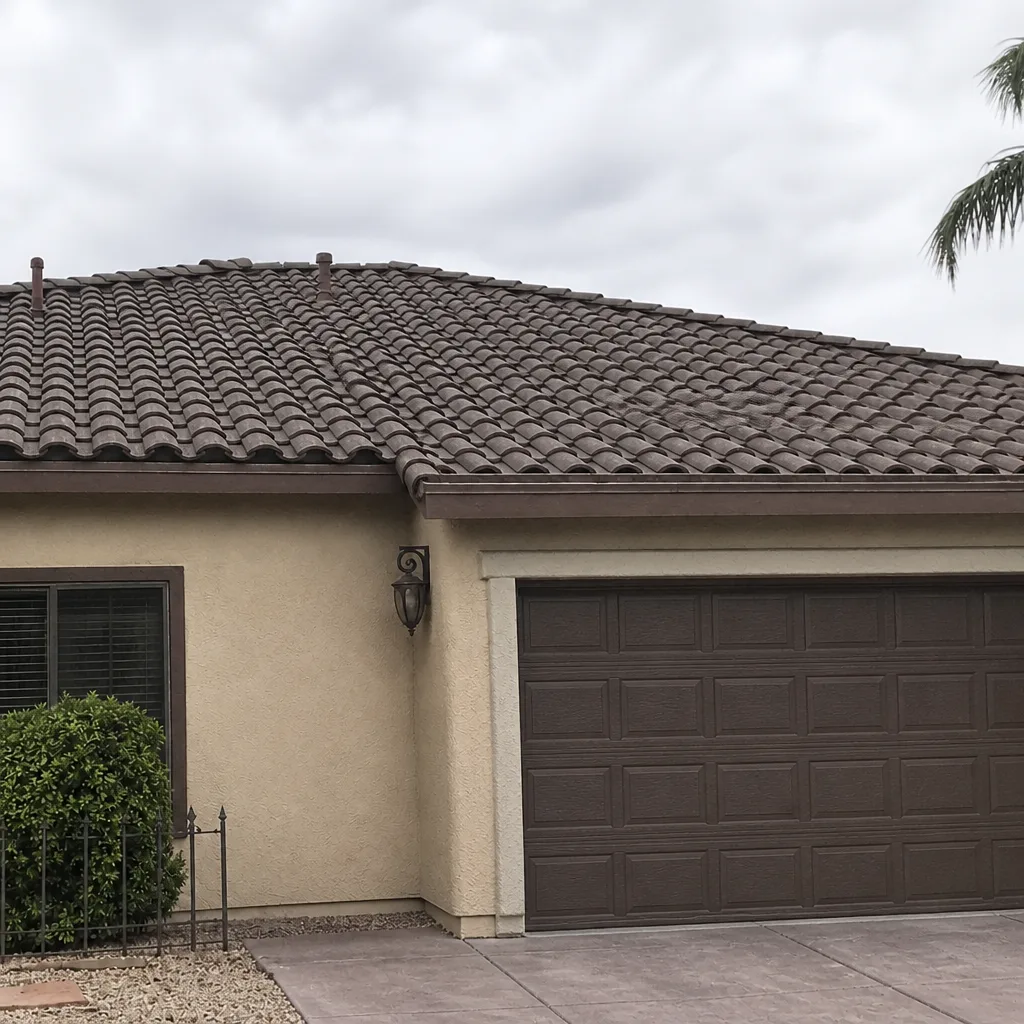
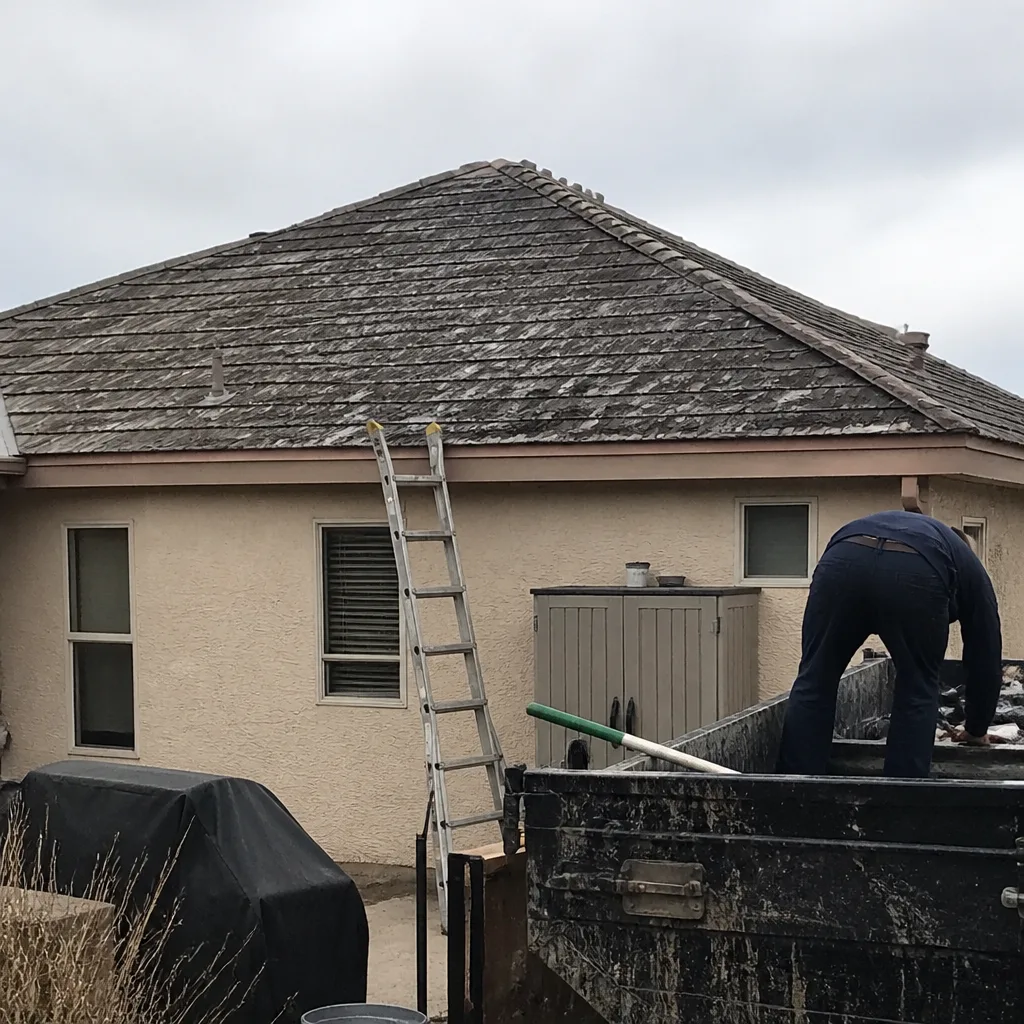
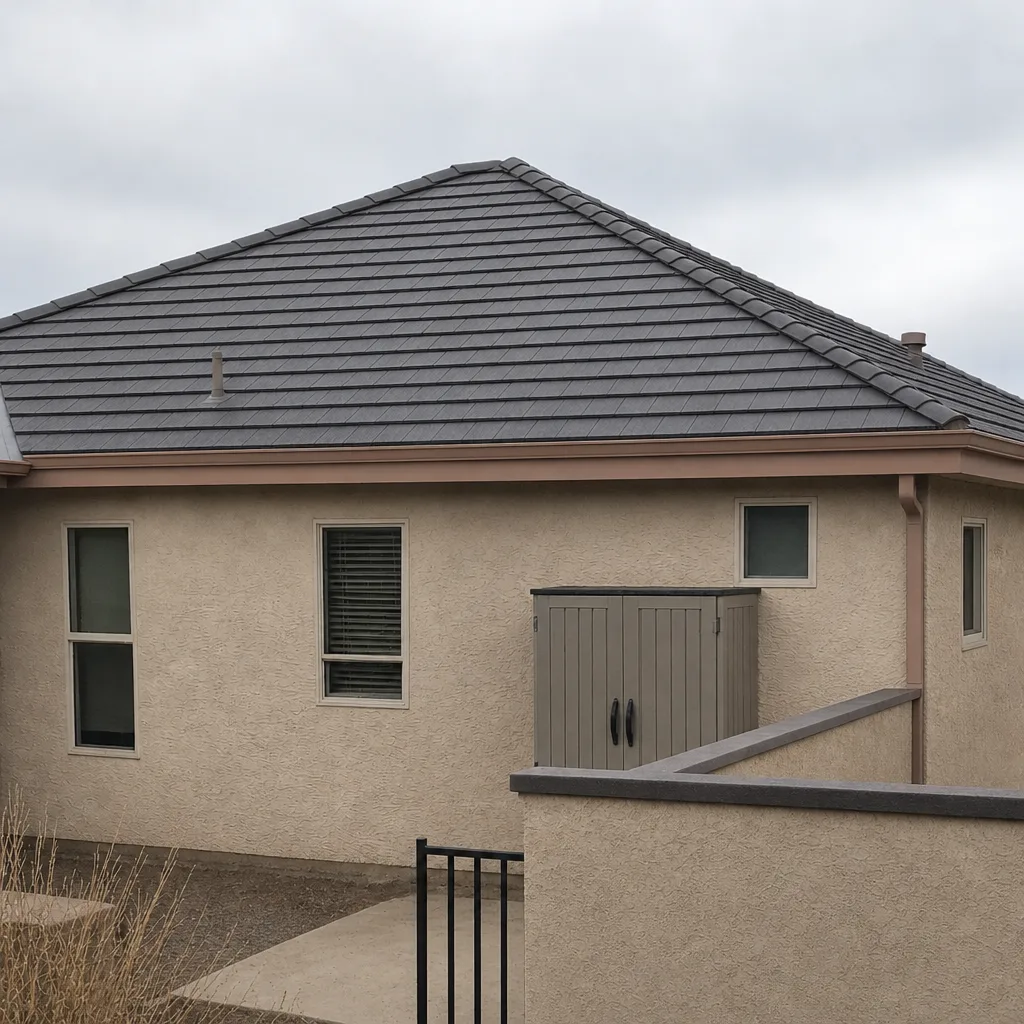
See the difference
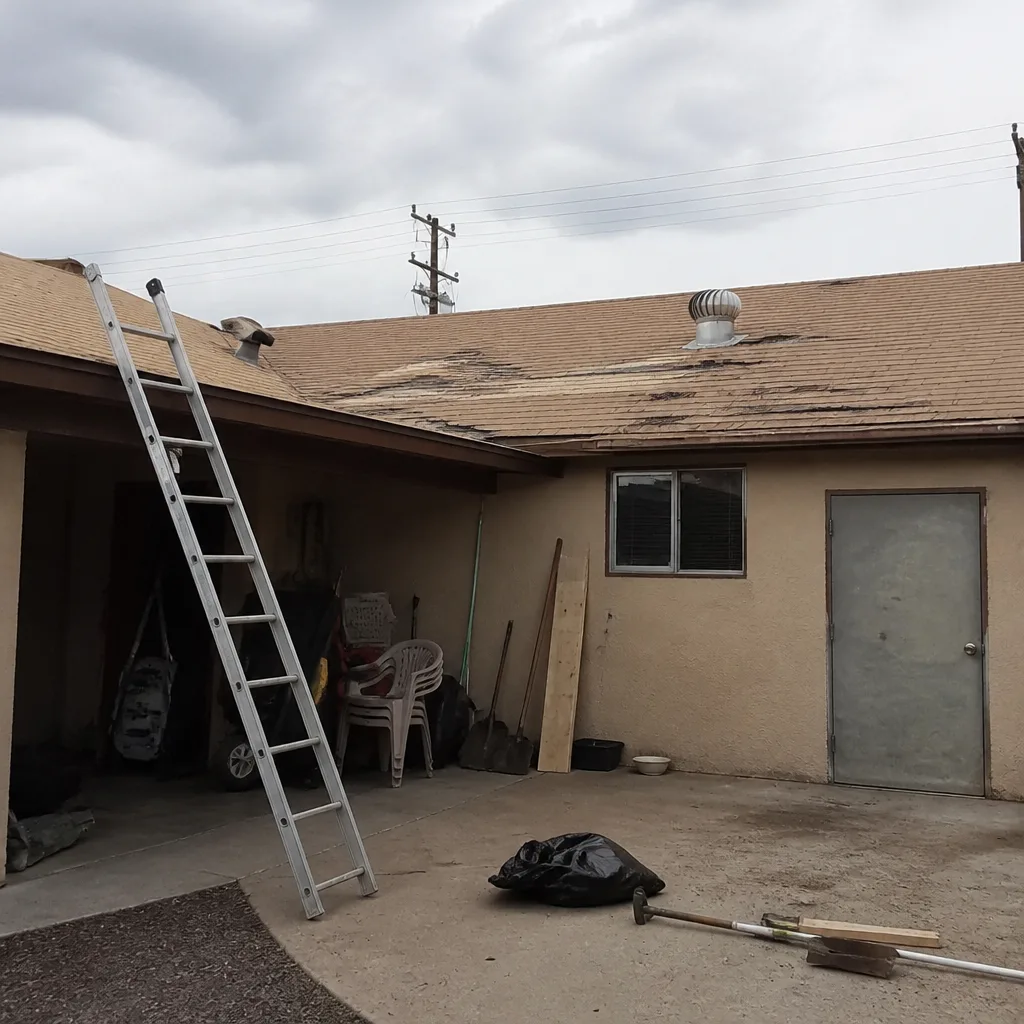 Before
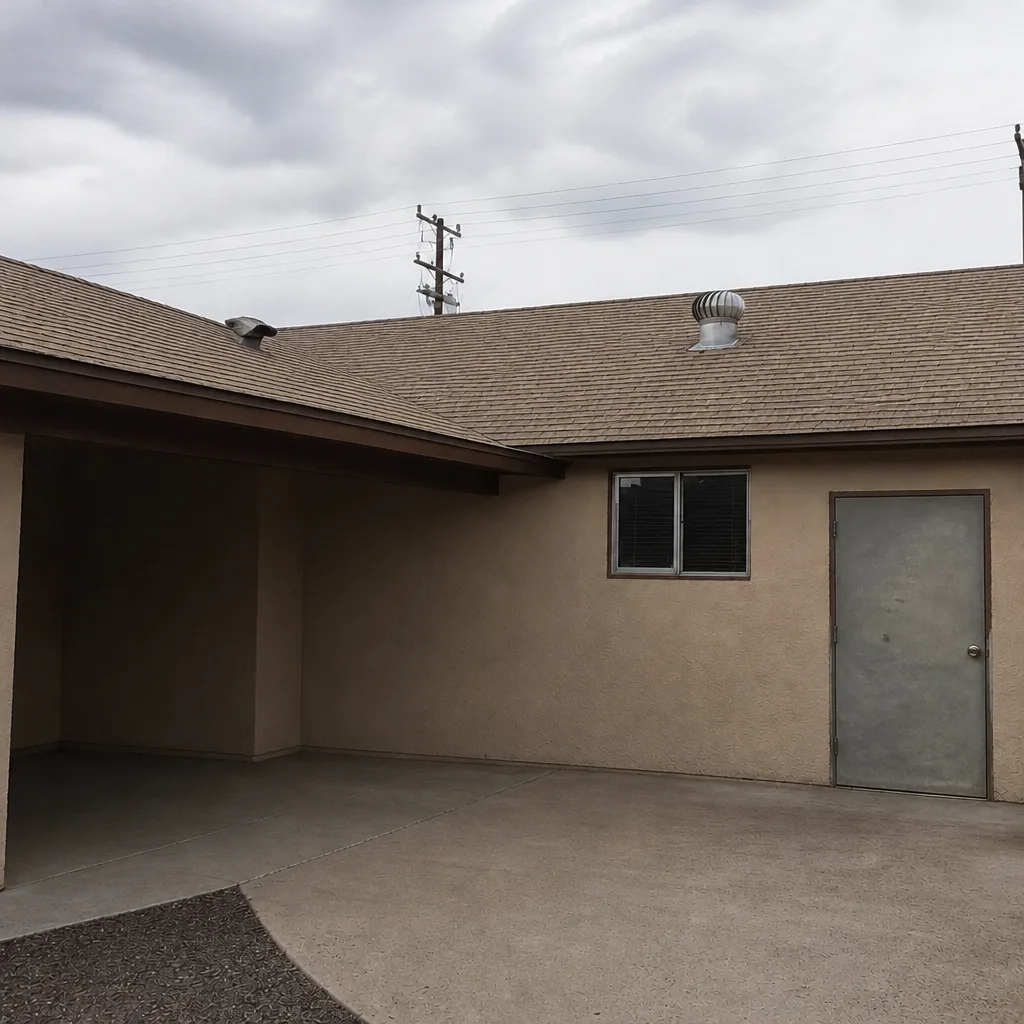 After
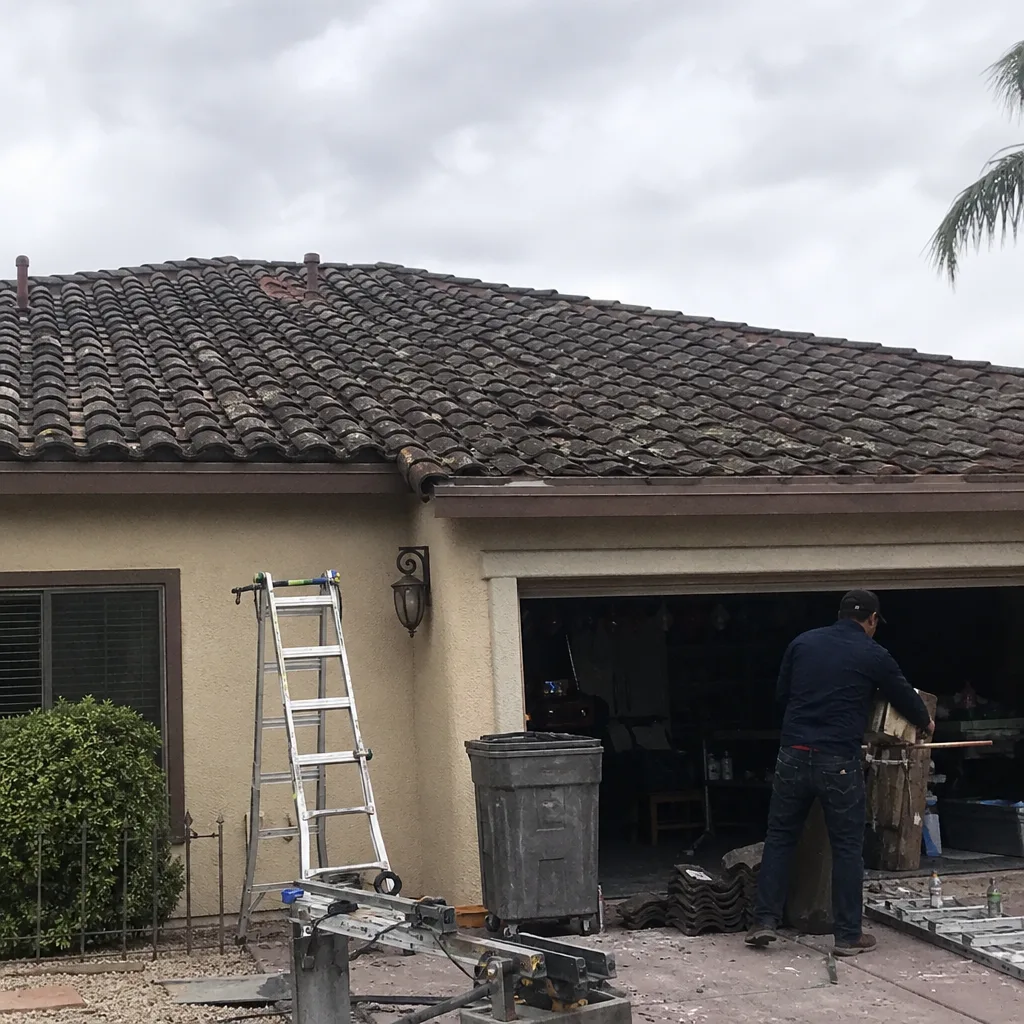 Before
 After
 Before
 After
When to Call a Professional
Call a roofing professional if any of these sound familiar: your roof is showing signs of wear or storm damage and you’re not sure whether the fix is a spot repair or a full replacement; you’re inside the Boulder City historic district and don’t know whether the visible change requires historic approval; or you’re buying or selling and need an independent assessment before the paperwork moves. Also call if you suspect prior unpermitted work, or if a contractor has handed you a verbal quote with no written scope and no permit discussion. The right first step on any of these is a diagnostic inspection, not a sales call, so you know what the project actually requires before you commit. Roofing Boulder City offers free estimates in Boulder City. Call (888) 293-7813 to schedule yours. We inspect first, then recommend; no assumptions, no upsell. Repair when repair is right, replace when it’s not, and we’ll tell you which.
Frequently Asked Questions
Often, yes, once the work moves beyond a small and limited repair. Minor spot repairs to a handful of shingles or a flashing detail in the same footprint typically don’t require one, while anything that changes the roof covering, touches sheathing or structural members, or covers a wide area usually does. The exact threshold is set by the City of Boulder City’s building department, so confirm your specific scope there rather than taking a verbal assurance. Call (888) 293-7813 for a free estimate and a clear read on what your project will need.
No. Boulder City maintains its own building department and permit system independent of Clark County, so forms, review staff, and inspection scheduling are separate. A contractor who works mostly in Las Vegas or Henderson may be unfamiliar with Boulder City’s submittal requirements. Ask any roofer you hire whether they’ve pulled permits specifically with the City of Boulder City before assigning the job. We work inside that framework as a roofing-only contractor; call (888) 293-7813 and we’ll walk you through it, with estimates free.
It’s Boulder City’s separate review process for properties inside the historic district, and it can affect the visible material and character of a roof even where a standard building permit doesn’t apply. If your home is in the district overlay, changes to the roof material, profile, or color may need historic approval before the building permit issues. Order material only after that approval is in hand to avoid a costly change. Call (888) 293-7813 to schedule a free estimate and get the scope clarified first.
Problems surface later, most often at a home sale or an insurance claim. A buyer’s inspector can flag unpermitted work and require re-inspection or documentation before closing, and an insurer may dispute a claim on a roof that was never inspected to code. Resolving it after the fact typically costs the seller, not the contractor. If you suspect unpermitted work in Boulder City, get an independent assessment now. Call (888) 293-7813; estimates are free and we answer 24/7.
Ask for the permit number before work begins, then call the City of Boulder City’s building department to confirm the permit is active and correctly names your property and you as the owner of record. The permit should identify you as the owner, with the contractor listed as the licensed contractor of record, and the scope should match the actual work. Keep copies of all inspection sign-offs. A written, itemized estimate from us keeps that paperwork straight; call (888) 293-7813 for a free quote.
It depends on the city’s review workload, whether the submittal is complete, and whether historic review applies; there’s no fixed number. Most delays come from incomplete applications or a missing historic step, not from the department being slow. Build the permit timeline into your project schedule and get historic review started early if it’s needed. For a free estimate and a clear scope in Boulder City, call (888) 293-7813. We answer 24/7. Fast dispatch from 7am to 7pm, Sunday through Friday.
The Bottom Line
Roofing in Boulder City runs on Boulder City rules, not Clark County’s. The city has its own building department, its own permit forms, and its own inspection sequence, and if your property sits inside the historic district, a second approval layer sits in front of the standard building permit. Most project headaches trace back to three avoidable mistakes: assuming the county process applies, skipping historic review, and failing to verify that the permit is in your name. Get those right, sequence the rough and final inspections correctly, and keep the paperwork clean, and the permit side of the project stops being a source of stress. When you’re ready to price the work, a free estimate and a written scope are the right starting point. Seven of the industry’s leading roofing brands, so you choose what fits your roof and your budget. Call (888) 293-7813. We answer 24/7. Fast dispatch from 7am to 7pm, Sunday through Friday. We’re closed Saturday.
Written by the team at Roofing Boulder City.