
Last updated November 17, 2026
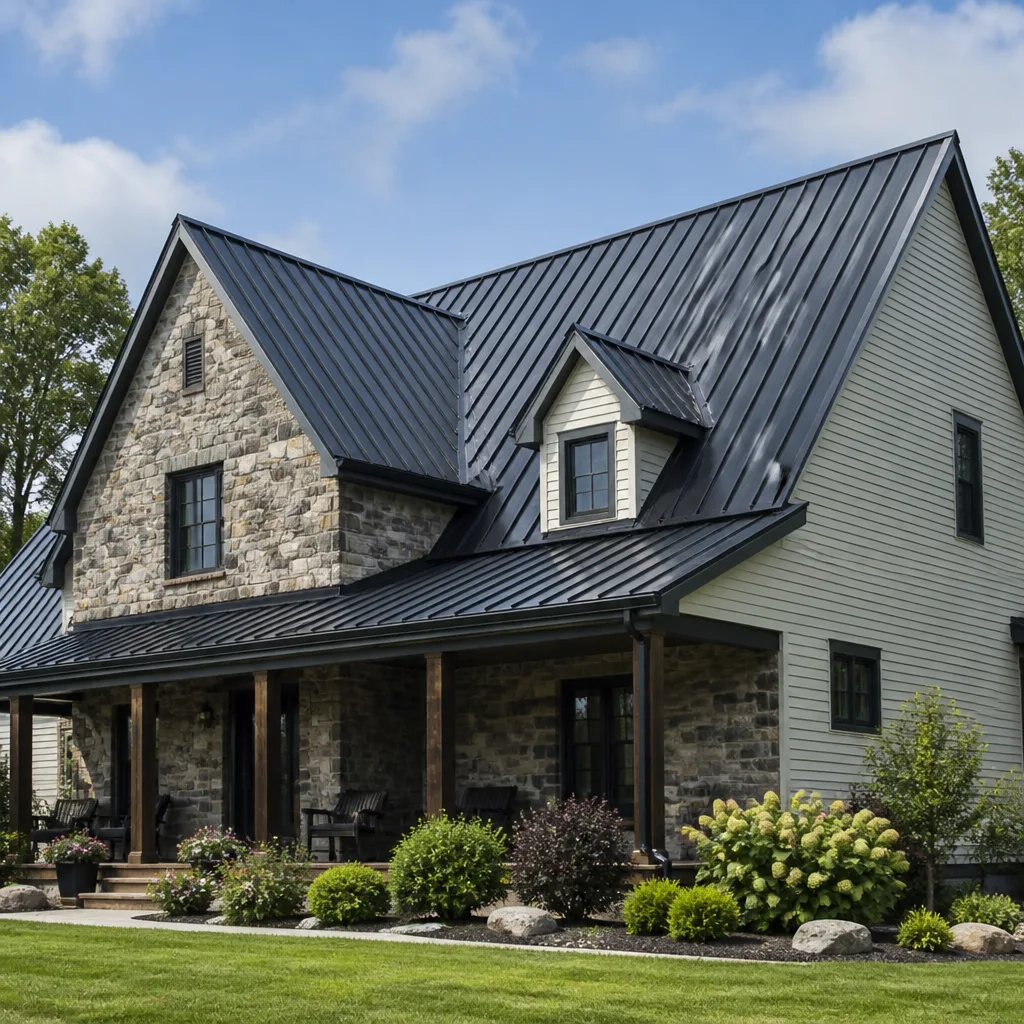 Metal roofing
 Architectural shingles
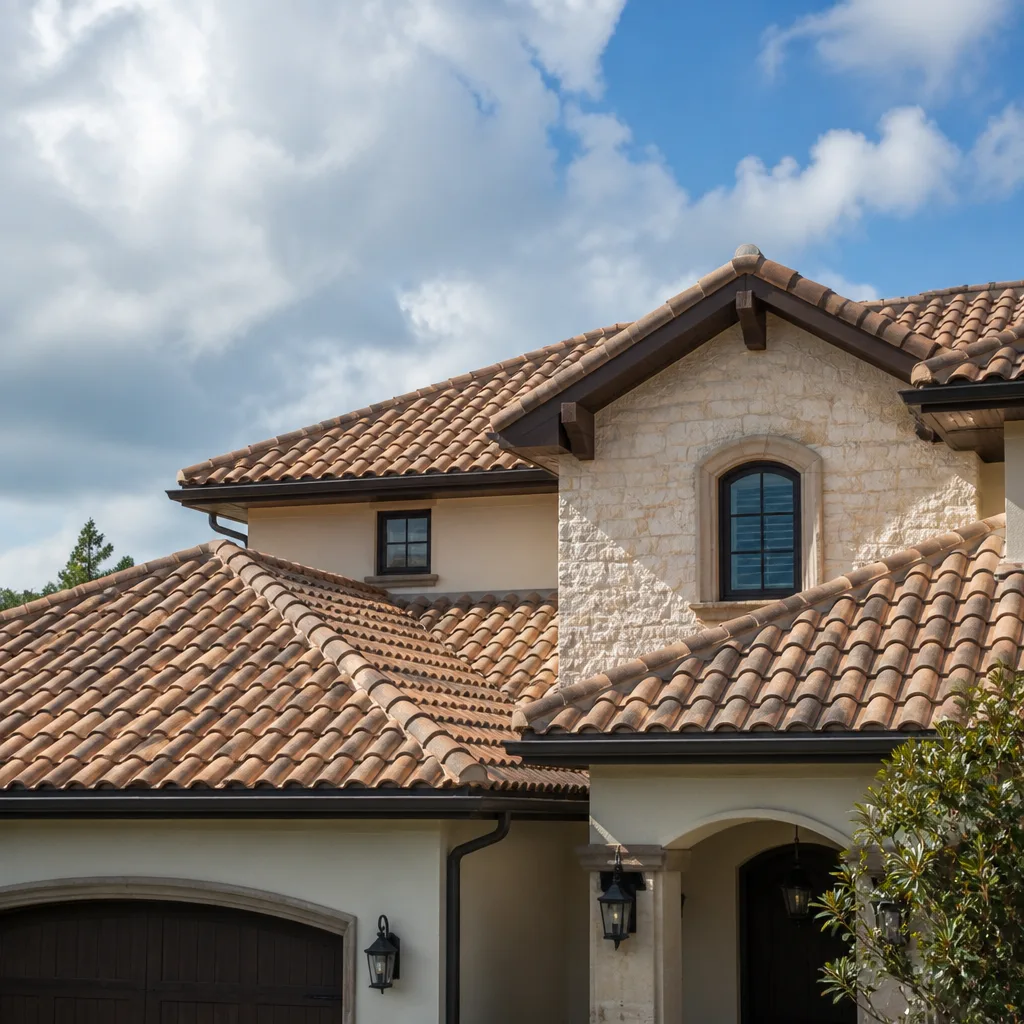 Tile roofing
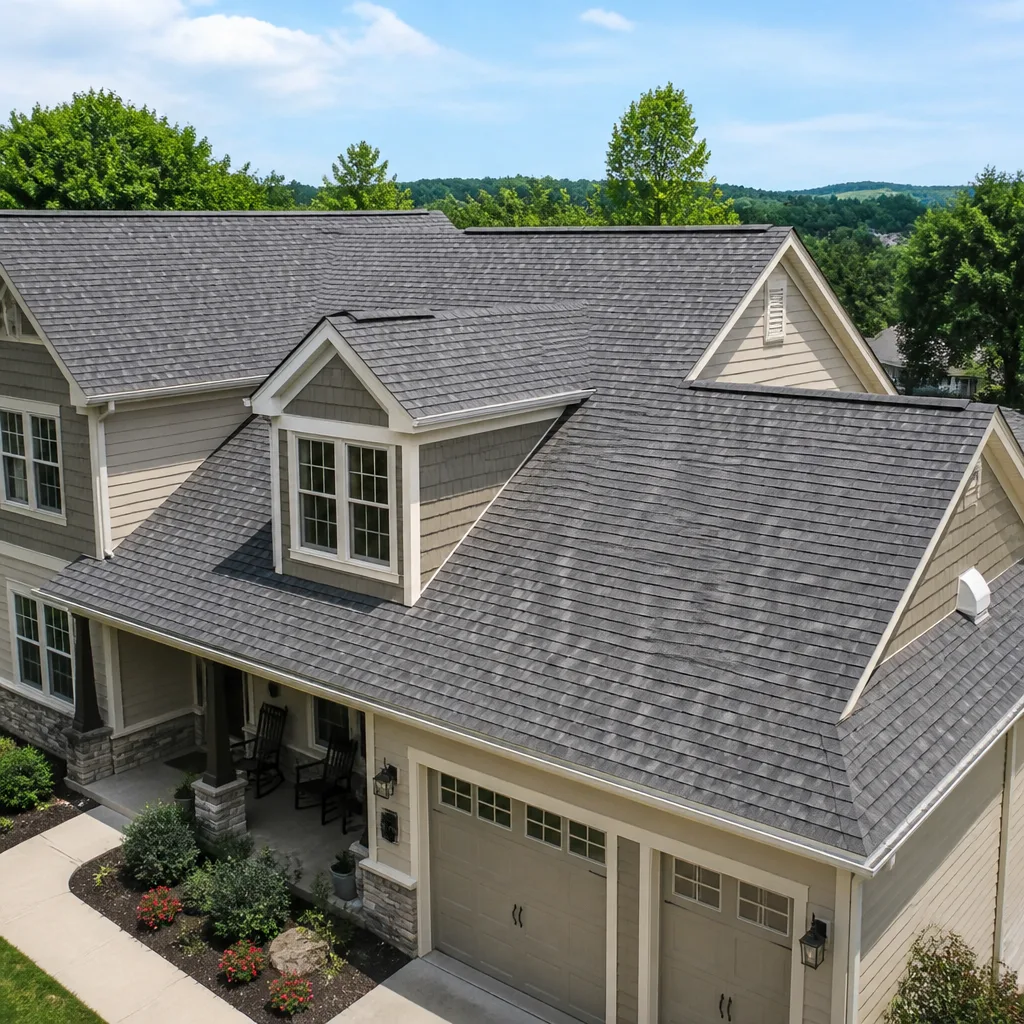 GAF
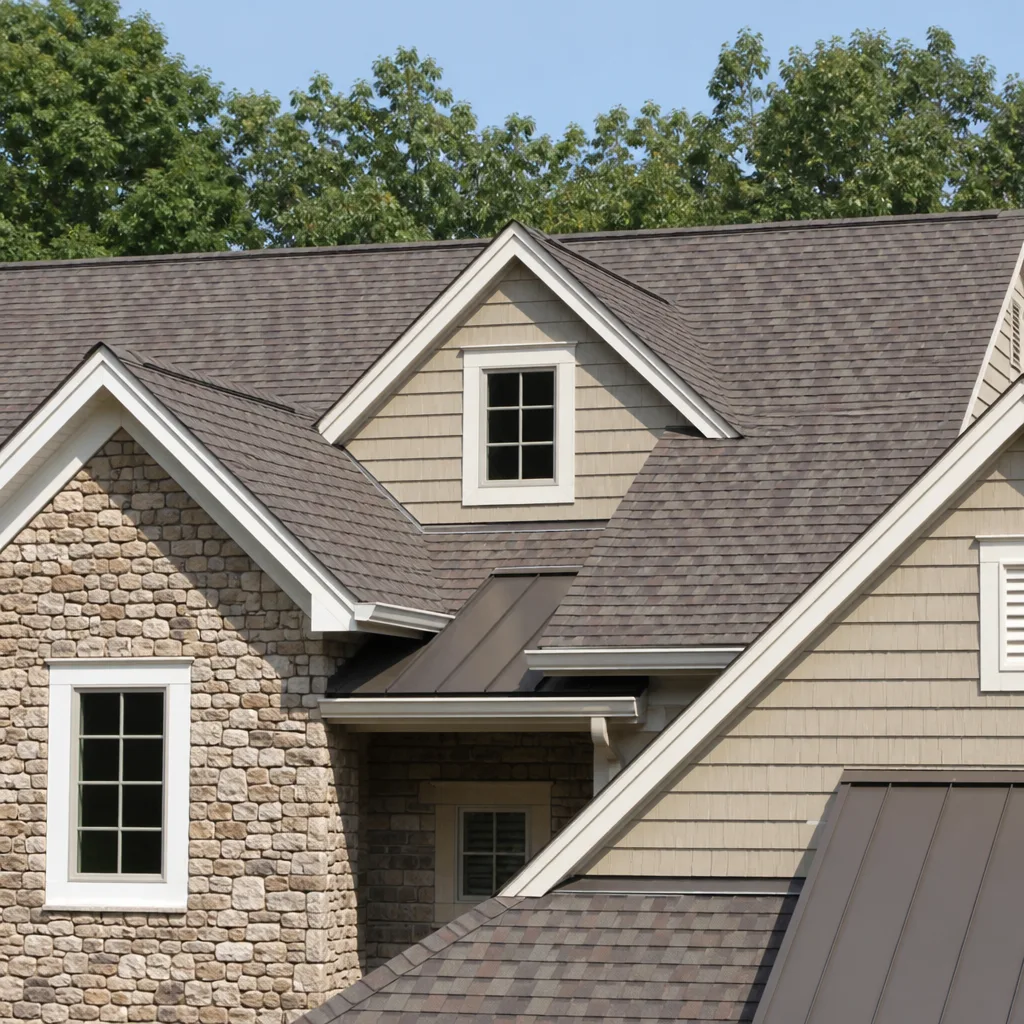 Owens Corning
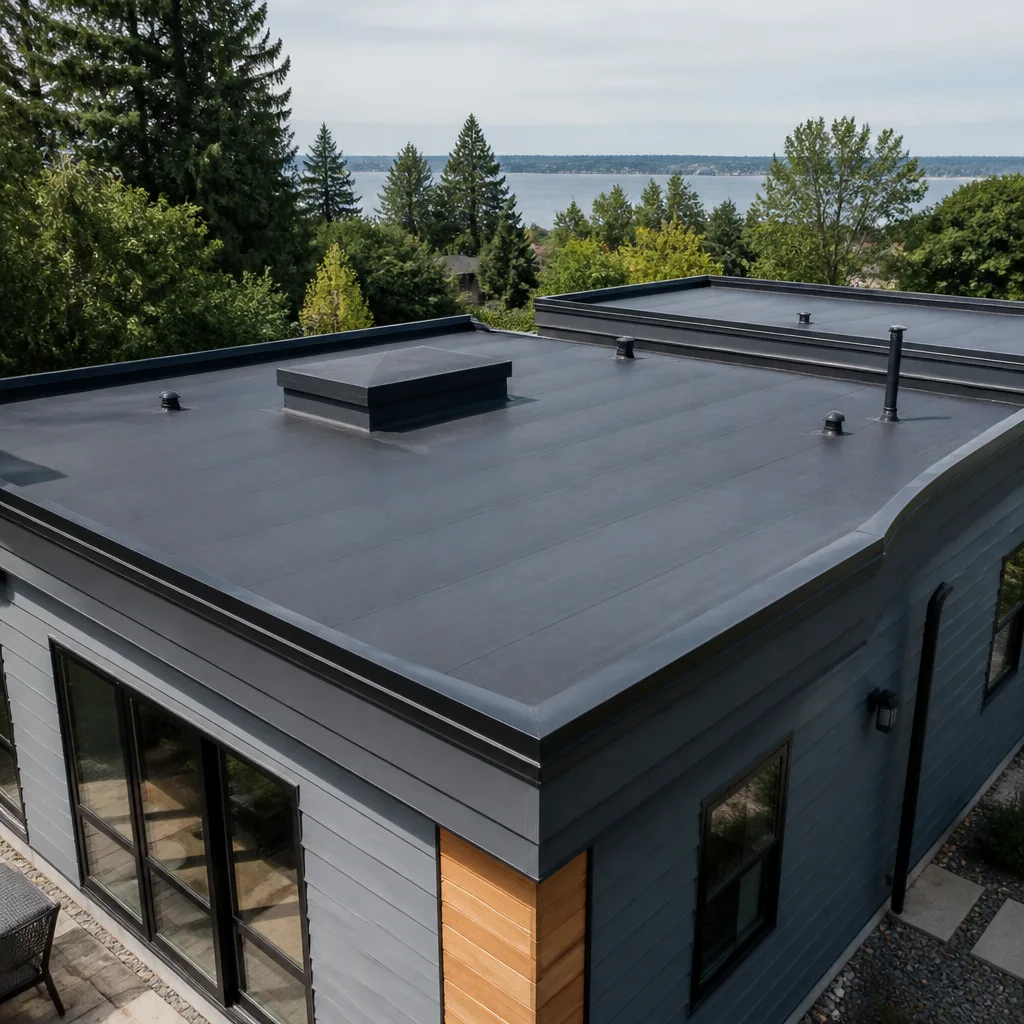 Flat & low-slope
Free roof inspection with deck photos before we talk money - GAF and Owens Corning certified installation
How to Hire a Roofing Contractor in Boulder City: A Step-by-Step Guide
Most hiring advice tells you to get three bids and check for a license. That’s fine as far as it goes, but it misses the thing that actually trips up homeowners here: Boulder City is its own permitting jurisdiction. The contractor who runs two hundred jobs a year in Henderson may never have filed a single permit with this city. That gap matters more than any star rating. In this guide we walk through how to screen a roofer against Boulder City’s specific rules, how to verify permit history instead of taking someone’s word for it, what a historic district review can mean for your project, and how to write a contract tight enough that the material you approved is the material that goes on your roof.
Quick Answer
To hire a roofing contractor in Boulder City, verify three things in this order: that the contractor is licensed and insured in Nevada, that they have actually pulled roofing permits through the City of Boulder City (not just Clark County), and that your written contract names the manufacturer, product line, and color code of every material. Get a written, line-item estimate before signing anything, and confirm who handles the permit and the inspection on your project. If those four boxes check out, you’re ahead of most homeowners in town.
Styles & brands we work with
- Architectural shingles
- Metal roofing
- Tile roofing
- GAF
- Owens Corning
- Flat & low-slope
Table of Contents
- Why Hiring a Roofer in Boulder City Is Different
- How to Verify Your Contractor Has Pulled Boulder City Permits
- Material Sourcing: What a One-Brand Contractor Tells You
- The Historic District and What Design Review Means for Your Job
- Desert Southwest Red Flags: Storm Chasers and Low Bids
- How to Structure a Contract That Prevents Substitution
- Questions to Ask Before You Sign
- Boulder City Climate and What It Does to Roofs
Why Hiring a Roofer in Boulder City Is Different
Boulder City runs its own municipal utility and its own building department. With roughly 15,000 residents, it operates more like a small town than a Las Vegas suburb, and that small-town structure shapes how roofing work gets permitted and inspected here. A large share of valley contractors do the bulk of their volume in Henderson, Las Vegas, and North Las Vegas, where the permitting rhythms and inspection queues are entirely different from what this city requires. That doesn’t make outside contractors bad. It means you should ask a direct question and expect a direct answer about local permit history.
The contractor pool is also smaller. You’re not choosing from dozens of dedicated roofing companies in town the way you would be in a bigger market, so it pays to widen your search to the surrounding area while keeping your screening standards anchored to Boulder City. A company can be based in Henderson and still do good work here, but only if they’ve actually navigated the city’s process before. That’s a verifiable fact, not a sales pitch.
There’s a third factor most generic hiring guides skip: this city takes its historic character seriously, and parts of it carry preservation standards that affect what you can put on a roof and who has to sign off before work starts. We’ll get into that in detail below. The short version is that the screening criteria for a Boulder City roofer are not identical to the ones you’d use in Las Vegas. Close, but not the same. Read any Roofing Boulder City company’s claims about local experience with that difference in mind.
How to Verify Your Contractor Has Pulled Boulder City Permits
A roofing contractor has pulled Boulder City permits if they can tell you which permits the job requires, how the city’s inspection sequence works, and where they filed. Ask them to walk you through their last few roofing permits in the city. A contractor with real local history answers without hesitating. One who has only worked in Clark County or Henderson will get vague, and vagueness is your signal to keep looking.
Permits matter because they protect you, not because they’re paperwork. An unpermitted roof can complicate a home sale, and if something goes wrong structurally, you want the inspection record. Here’s a step-by-step way to verify:
- Ask the contractor directly. “Have you pulled roofing permits with the City of Boulder City specifically?” Request the address range or street of recent jobs, not customer names.
- Call the city building department yourself. Before you sign, call and ask whether a permit is required for your project type. Most jurisdictions, and Boulder City included, have their own rules on what triggers a permit, so get the answer from the source rather than the salesperson.
- Confirm who pulls the permit. On most roof replacements, the contractor should be the one filing. If a contractor suggests the homeowner pull it as an “owner-builder,” that shifts liability and inspection responsibility onto you. Ask why.
- Check the license. Nevada requires roofing contractors to hold a state license. Verify it through the state licensing board and confirm it’s active and covers roofing work.
- Confirm insurance and bonding. Ask for a certificate of insurance and a bond reference. A legitimate contractor provides these without friction.
- Get the inspection sequence in writing. Ask exactly when the city inspection happens in the process and who schedules it.
None of this is adversarial. A good contractor will appreciate that you’re asking, because it means you’ll also understand the schedule when the inspection queue backs up. If a contractor bristles at a permit question, that’s your answer. Walk.
Material Sourcing: What a One-Brand Contractor Tells You
A contractor who installs only one brand is telling you something about their margin structure, not your roof. Exclusivity is often a business arrangement, and it can mean you get whatever product that arrangement pushes rather than what fits your home, your budget, and the exposure your roof actually faces. Boulder City homes sit under intense desert sun and wind, and different products handle that differently. You want a contractor who can present real options.
When you interview roofing companies, ask about their manufacturer relationships and what they can source across price tiers. A specialist with genuine breadth can talk about entry-level lines and premium lines in the same conversation and explain why one makes more sense for your situation. That’s the kind of choice we build our own approach around, with access to seven major manufacturers including GAF, Tamko, Boral, and Atlas, so the recommendation follows the roof rather than a single supply agreement.
What to ask about materials
- Which manufacturers do you install, and why those? You’re listening for reasoning, not a script.
- What tiers can you source? A contractor who can only offer one price point is limiting you by default.
- Which brands back their materials with manufacturer warranties? Top-tier manufacturers like GAF and Owens Corning offer manufacturer-backed warranties on their product lines. Ask what the coverage actually includes and what voids it.
- Can you show me the product line and color options? Not a photo on a phone screen. Actual samples or spec sheets.
- What’s the lead time on my chosen material? Desert markets can run tight on certain colors and profiles. Lead time affects your schedule.
Material sourcing is where a lot of homeowners get quietly boxed in. You sign for one thing, and the roof that goes on is “equivalent.” We’ll cover how to prevent that in the contract section. If you’re already dealing with a failing roof, our roof repair service can assess damage before you commit to a full replacement, and a standalone inspection is often the smarter first step than a quote.
The Historic District and What Design Review Means for Your Job
If your home sits within Boulder City’s historic district, your roofing project may require design review and sign-off before work can begin. This is the single most overlooked point in generic “how to hire a contractor” advice, and it can derail a project that seemed straightforward. Historic preservation standards typically govern things like visible roof profile, material type, and color, because those elements affect the character of the neighborhood.
Not every home is in the district, and not every project triggers review. Small repairs on a non-contributing home usually don’t. A full replacement on a contributing structure often does, and the review happens before a crew shows up, not after. Here’s how to navigate it:
- Find out whether your property is in the historic district. Call the city and ask. Don’t assume based on how the house looks or what a neighbor told you.
- Ask whether your specific project triggers design review. The scope matters. A repair and a replacement are treated differently.
- Ask about the review timeline. Build it into your schedule. Design board sign-off means work waits.
- Require your contractor to handle the review. A contractor who has done this before knows what the board looks at and can prepare the material and color submittal correctly the first time.
- Get the approved material and color locked into your contract. Once the board signs off, those specifics are binding. So is your contract.
This is exactly where a contractor’s Boulder City experience shows. Someone who has only worked in Henderson or Las Vegas may not know the district exists until you mention it. If you’re planning a full system replacement, our roof replacement team can walk you through which materials satisfy preservation standards and which ones won’t clear review. Better to know before you buy than after.
Desert Southwest Red Flags: Storm Chasers and Low Bids
The desert Southwest roofing market has two seasonal patterns worth knowing. After monsoon season, out-of-area crews show up offering fast repairs and disappear before the next rain. And year-round, low-bid contractors win jobs by quoting a number they can only hit by substituting cheaper materials once you’ve signed. Both patterns target homeowners who are stressed and moving fast. The cure is patience and specificity.
Storm chaser warning signs
- They knock on your door after a storm and offer a “free inspection” that turns into a same-day pressure pitch.
- They can’t or won’t provide a local permit history in Boulder City.
- They want a large deposit up front and offer a discount for signing today.
- Their paperwork has a P.O. box or out-of-area address and no verifiable state license.
- They ask you to sign a document that assigns your insurance claim to them.
Low-bid substitution warning signs
- The bid is dramatically lower than every other bid with no explanation of what’s different.
- The quote uses vague language like “architectural shingles” without a manufacturer or product line.
- They resist putting the color code and product number in the contract.
- They skip the underlayment or flashing details in the scope.
- They want to start before the permit is pulled.
Hail is uncommon here, so a contractor pitching “hail damage” as the primary justification for a full replacement deserves a harder look. Storm and impact damage happen, and wind-driven debris and monsoon downpours are real, but the diagnosis should come from an inspection of your actual roof, not a story. We inspect first, then recommend. No assumptions, no upsell. That’s the standard you should hold every contractor to.
How to Structure a Contract That Prevents Substitution
A roofing contract that prevents substitution names the manufacturer, the exact product line, and the color code for every material in the system, then states that any change requires your written approval. That’s the sentence that stops a contractor from swapping in a cheaper shingle after you’ve signed. Generic contracts with a scope like “remove and replace roofing” leave that door wide open.
Here’s what belongs in the contract before you sign:
- Manufacturer and product line. Not “architectural shingle” but the specific named line. GAF Timberline and Owens Corning Duration are examples of product lines you can name and verify, but whatever line you choose should be spelled out exactly.
- Color code, not just color name. Color names vary between brands and can be reused across lines. A code is unambiguous.
- Underlayment and flashing specification. These are the parts of the system most often downgraded without anyone noticing.
- Substitution clause. Any material change requires your signed approval before installation.
- Permit responsibility. Who pulls it, who pays for it, who schedules the city inspection.
- Payment schedule. Tied to milestones, not to signing. A large deposit before work begins is a red flag.
- Manufacturer warranty paperwork. Ask which manufacturer warranty applies to your chosen material and get the documentation at completion.
- Written line-item estimate. Every line has a price. No lump-sum total with a vague description.
Once the contract locks the materials, the estimate sets the final price. A written, line-item quote and fixed pricing with no change orders means the number you agree to is the number you pay, assuming the scope doesn’t change at your request. Get that in the paperwork.
Questions to Ask Before You Sign
The questions that separate a specialist from a generalist contractor are the ones about scope and process. Roofing is all we do, and that focus shows in how a company answers process questions. A generalist contractor splitting attention across gutters, siding, and landscaping often can’t answer them with the same detail, because roofing isn’t their primary trade. Here’s the shortlist to bring to every interview.
- “Have you pulled roofing permits specifically in Boulder City?” Expect a clear yes and a description of the process.
- “Which manufacturers do you install, and can you source across budget tiers?” Listen for genuine breadth.
- “Who handles the permit and the city inspection?” The answer should be the contractor.
- “Will you put the manufacturer, product line, and color code in the contract?” A yes means substitution can’t happen quietly.
- “What does the written estimate include, line by line?” Get it in writing before you sign.
- “How do you handle historic district review, if my home is in the district?” Listen for direct experience.
- “What manufacturer warranty applies to my chosen material?” Get the documentation at completion.
- “Can you do a standalone inspection before we decide between repair and replacement?” A company that offers this isn’t pushing you toward the bigger job.
We offer roof inspection as a standalone service, not a sales tool tied to a quote. That’s deliberate. Homeowners checking system health, buyers and sellers in a transaction, and anyone dealing with storm damage all deserve an honest diagnosis before anyone starts selling. If you’re weighing repair against replacement, the inspection is where that decision gets made.
Boulder City Climate and What It Does to Roofs
Boulder City’s desert climate puts specific stress on a roof: intense UV exposure, wide temperature swings between day and night, wind-driven dust and grit, and monsoon-season downpours that test every flashing detail. UV degrades sealants and shingle surfaces over time. Thermal cycling causes materials to expand and contract, which works fasteners loose and opens seams. Wind-driven grit scours surfaces. Monsoon rain finds the weakest point, usually a valley or a penetration rather than the field of the roof.
That climate shapes what to look for in a contractor’s recommendation. A material that performs well in a mild climate may not hold up under desert UV the same way. Ask a contractor to explain why a specific product fits your exposure, not just your budget. If the only answer is price, you’re not getting a real recommendation.
It also shapes the inspection cadence. After monsoon season is the natural time to check flashing, valleys, and any penetrations for damage. Pre-summer is the time to catch small problems before the heat cycle stresses them further. A roof inspection catches these issues before they become leaks, and a small repair today costs less than a replacement later. For more on how the local climate interacts with roofing decisions, our Boulder City page covers the area in more detail. Our technicians have up to 14 years of experience working on roofs in this kind of climate, which means we’ve seen how these materials age under desert conditions and can tell you what to expect.
Common Mistakes to Avoid
- Hiring on price alone. The lowest bid is often the one that substitutes materials after you’ve signed. Get a written, line-item estimate and compare scope, not just totals.
- Skipping the permit verification. Accepting a contractor’s word that they’ve worked here without asking about city permits specifically is the fastest route to a problem. Ask for the process, not just a yes.
- Signing a vague scope. A contract that says “replace roofing” without naming the manufacturer, product line, and color code leaves substitution wide open. Lock the specifics in writing.
- Ignoring the historic district question. If your home falls within the district, design review can delay your project. Find out before you sign, not after the materials arrive.
- Accepting a storm chaser’s same-day pitch. If a door-knocker offers a discount for signing today, that urgency is the red flag. Take a breath and verify their local permit history.
- Paying a large deposit before work starts. Tie payments to milestones. A big upfront payment shifts all the risk to you.
- Skipping the standalone inspection. Jumping straight to a replacement quote without an independent diagnosis can mean paying for a new roof when a repair would have lasted years. Get the diagnosis first.
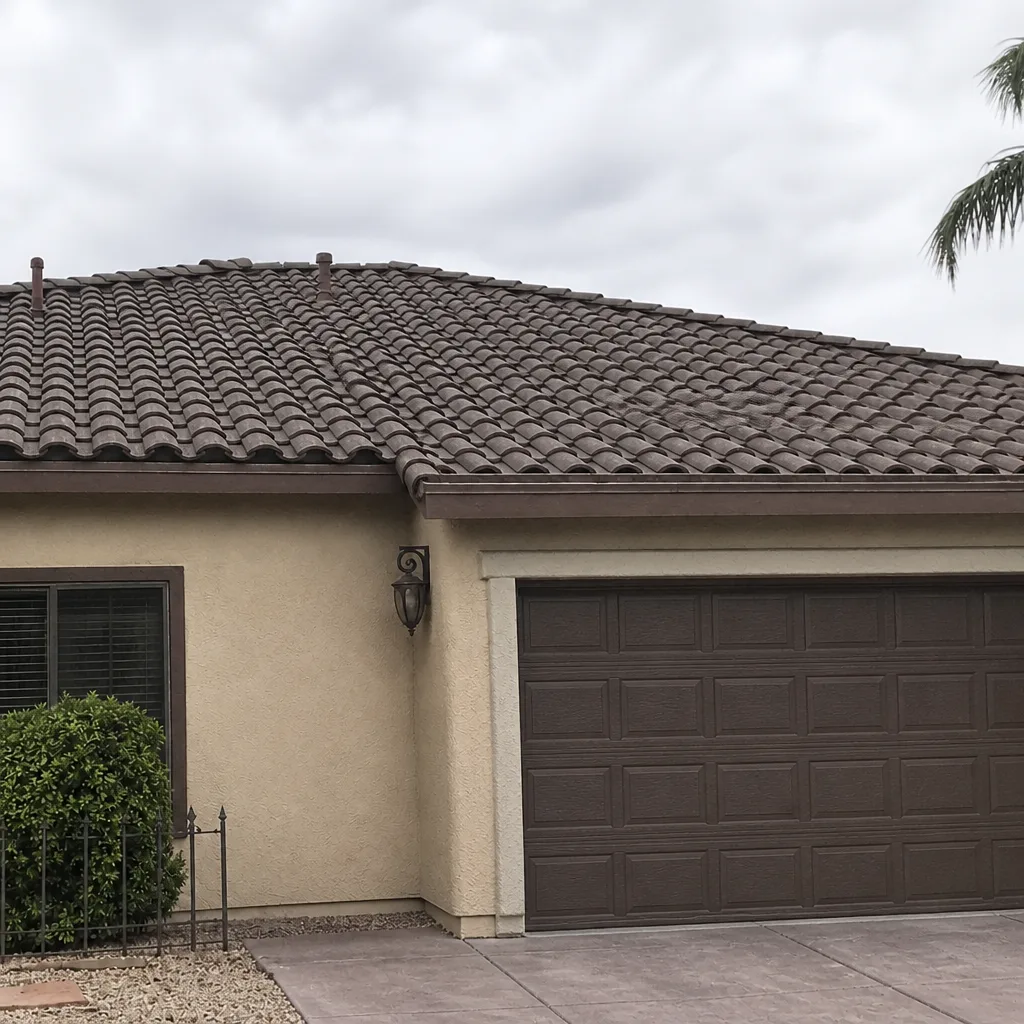
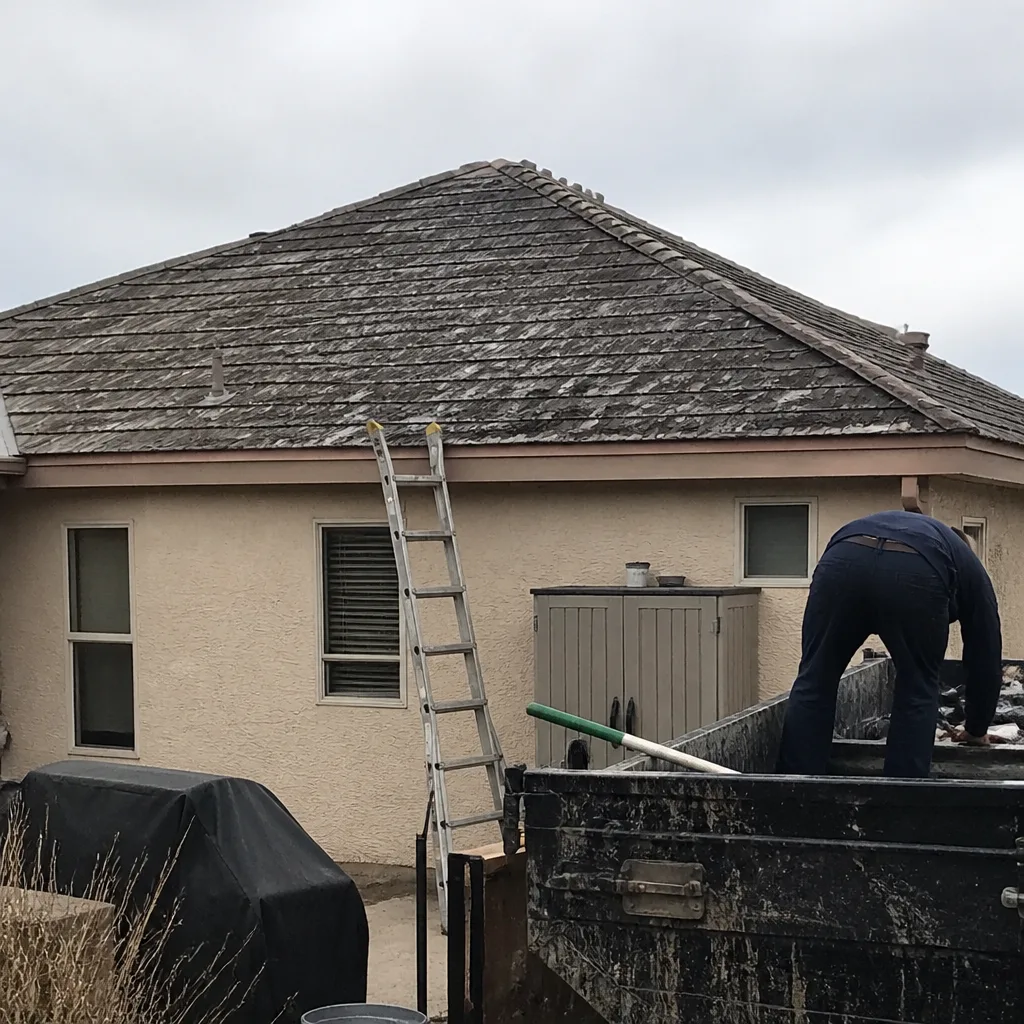
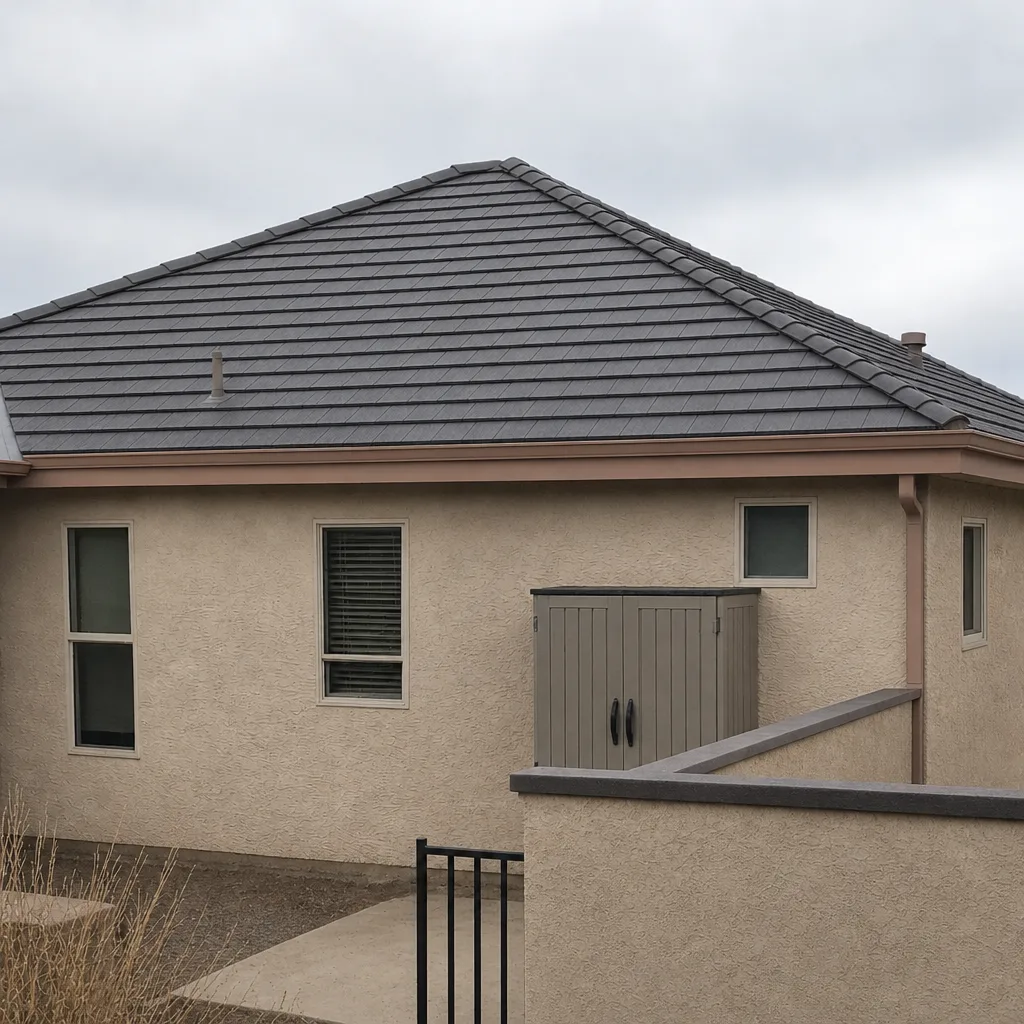
See the difference
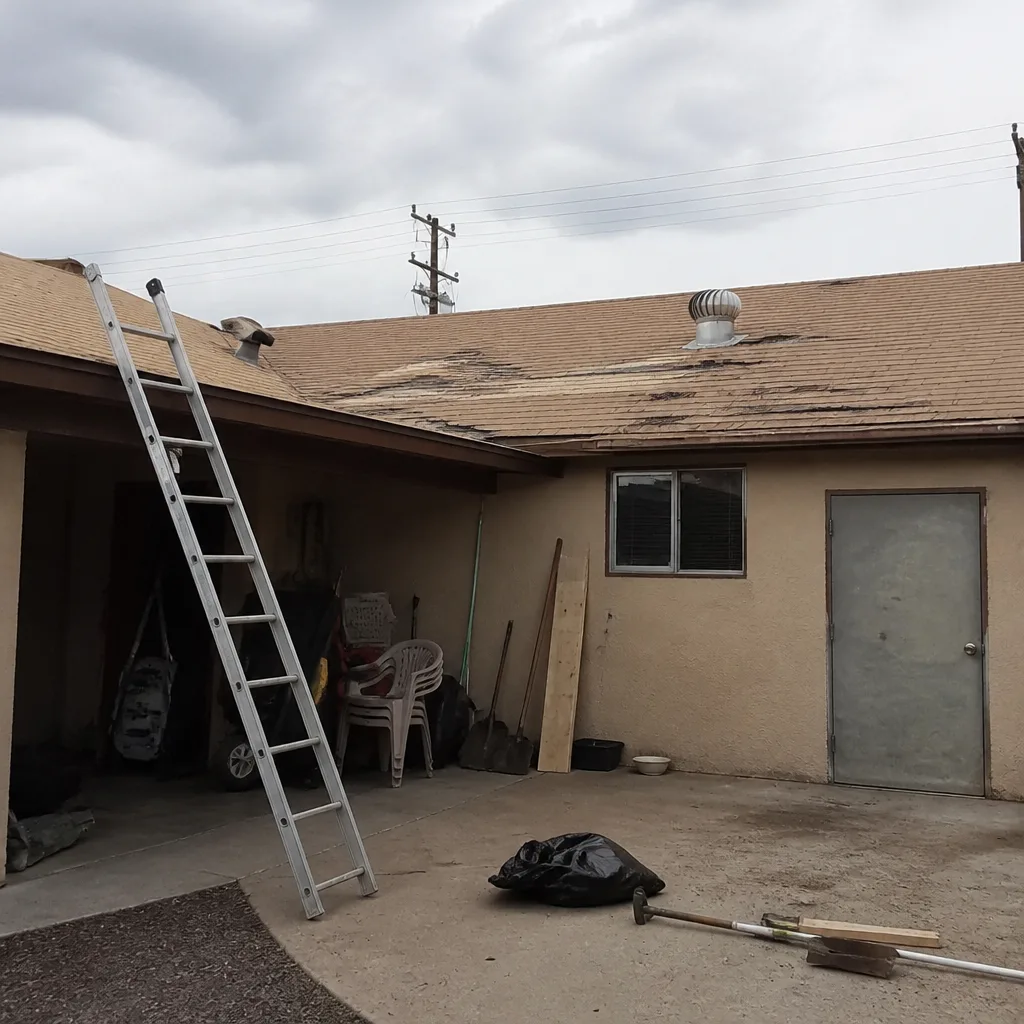 Before
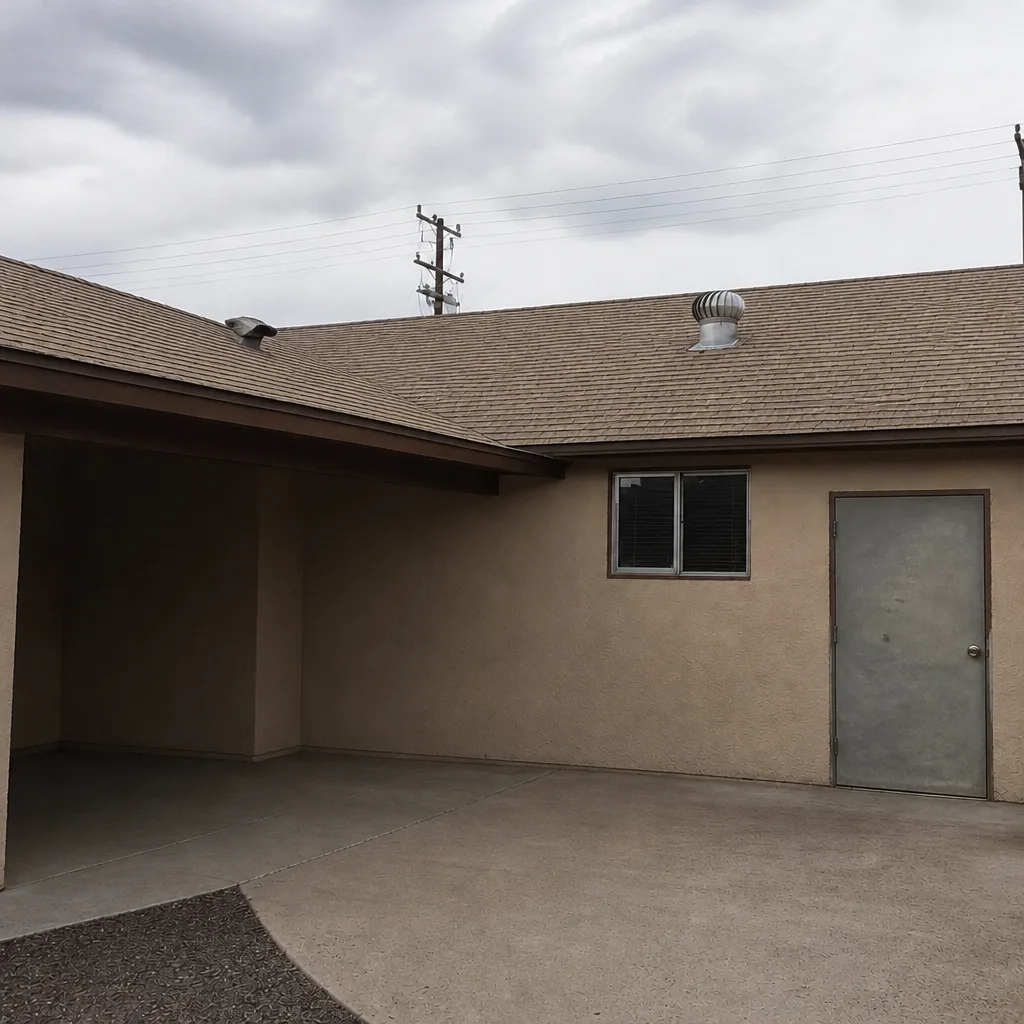 After
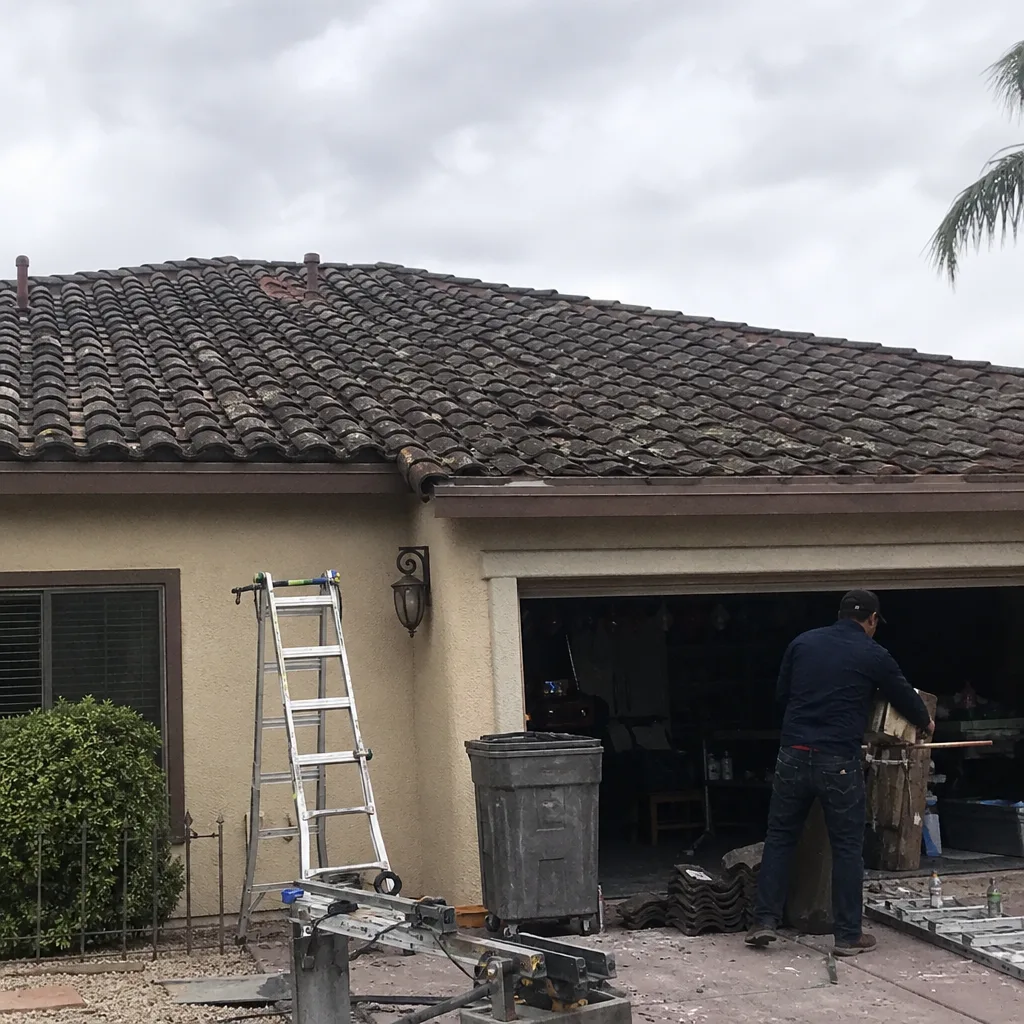 Before
 After
 Before
 After
When to Call a Professional
Some roof problems are obvious and some aren’t, and the ones you can’t see are usually the expensive ones. Call a professional if you notice water staining on a ceiling or wall, missing or lifted shingles after a wind event, granules collecting in gutters, daylight coming through the roof deck from inside the attic, or a sagging roofline anywhere on the structure. Call if you’re buying or selling a home in Boulder City and need an independent condition report before closing. Call if your roof is past the point where its materials typically perform and you want an honest assessment of where it stands. And call if you simply don’t know the roof’s condition, because a standalone inspection answers that question without pressure. Roofing Boulder City offers free estimates in Boulder City, and our roof inspection service is a genuine diagnostic, not a sales call. Call (888) 293-7813. We answer 24/7. Fast dispatch from 7am to 7pm, Sunday through Friday.
Frequently Asked Questions
Ask them to describe the city’s permit and inspection process for roofing work. A contractor with real local experience answers specifically, including which permits apply to your project and when the inspection happens. If they can only talk about Clark County or Henderson permits, they haven’t done the work here. You can also call the city building department and ask what permits apply to your address.
Most jurisdictions require a permit for a full roof replacement, and Boulder City has its own building department rules that can differ from Clark County’s. Rather than rely on what a contractor tells you or what a neighbor did, call the City of Boulder City building department and ask directly about your project type. Your contractor should be able to walk you through the same answer.
It shouldn’t if your contract is written properly. A written, line-item quote with fixed pricing and a substitution clause means the number you agree to is the number you pay, unless the scope changes at your request. Any material substitution requires your written approval before installation. If a contractor is vague on this point, push for it in writing before you sign. Call (888) 293-7813 for an exact quote; estimates are free.
The right material depends on your home, budget, and exposure, and there isn’t a single answer that fits every roof here. Desert UV, thermal cycling, and monsoon rain test different products differently, so the recommendation should follow an inspection of your actual roof rather than a standard package. A specialist with genuine manufacturer breadth can present real options across price tiers, including manufacturer-backed warranties from top-tier brands, and explain why one fits your roof better than another.
If your home sits within Boulder City’s historic district, your project may require design board sign-off before work begins. The review typically looks at visible roof profile, material type, and color because those affect neighborhood character. Not every home is in the district and not every job triggers review, so call the city and ask whether your property is included and whether your scope requires approval. Build the review timeline into your schedule.
Yes, permit responsibility should rest with the contractor, and that’s how we handle it. The permit gets pulled through the City of Boulder City, the inspection gets scheduled with the city, and the sign-off gets documented in your file. If a contractor suggests you pull the permit yourself as an owner-builder, ask why, because that shifts liability and inspection responsibility onto you.
A repair is usually the shorter job, while a full replacement takes longer and depends on roof access, size, material lead time, and the city inspection schedule. Historic district review, where it applies, adds its own timeline before work begins. Get the schedule in writing before you sign, and confirm when the material is expected to arrive and when the city inspection is scheduled. Call (888) 293-7813 for a free estimate on your specific project.
An inspection is a diagnostic that tells you the condition of your roof. An estimate is a price for a specific scope of work. The order should be inspection first, then recommendation, then estimate for the recommended work. When a contractor leads with a quote before a diagnosis, you may be paying for a replacement when a repair would have been the right call. A standalone inspection service exists to keep those two steps separate.
The Bottom Line
Hiring a roofer in Boulder City comes down to four checks: verify the state license, confirm the contractor has actually pulled permits through the city rather than just Clark County, get a standalone inspection before you accept a replacement quote, and lock the manufacturer, product line, and color code into the contract. Ask about historic district review if your home falls within the boundaries. Take storm-chaser pitches and unusually low bids seriously as warnings, not opportunities. If you want a straight answer about your roof’s condition and real material options, we’re glad to help. Roofing Boulder City offers free estimates in Boulder City – call (888) 293-7813. We answer 24/7. Fast dispatch from 7am to 7pm, Sunday through Friday.
Written by the team at Roofing Boulder City.